Highlights
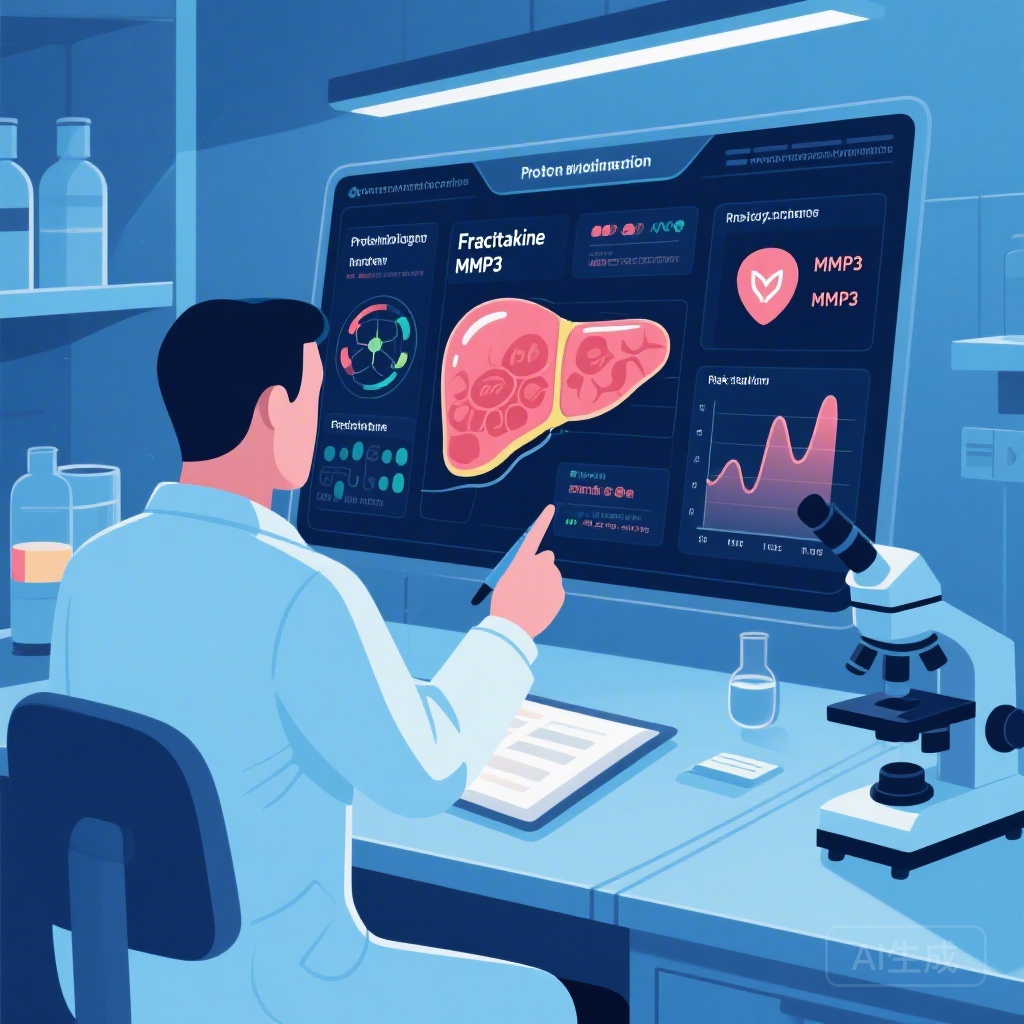
- The Liver Immune Frailty Index (LIFI) utilizes pre-transplant plasma levels of fractalkine and metalloproteinase 3 (MMP3) to accurately predict 1-year mortality after liver transplantation.
- The tool identifies three risk tiers: LIFI-low, LIFI-moderate, and LIFI-high, with 1-year mortality rates of 1.9%, 10.3%, and 63.6%, respectively.
- LIFI demonstrated a high discriminative capacity with a C-statistic of 0.83, significantly outperforming traditional clinical scoring systems for post-transplant survival.
- The index is also associated with secondary outcomes, including post-transplant infections and prolonged hospital stays, highlighting the role of pre-existing immune dysfunction.
The Limitations of Current Clinical Scoring Systems
For decades, the selection and prioritization of liver transplant (LT) candidates have relied heavily on the Model for End-Stage Liver Disease (MELD) score. While MELD and its subsequent iterations (such as MELD-Na and MELD 3.0) have been highly effective at predicting waitlist mortality—thereby adhering to the “sickest-first” allocation principle—they are notoriously poor at predicting outcomes once the transplant has actually occurred. This discrepancy represents a significant challenge in clinical practice: the physiological derangements that lead to death on the waitlist are not necessarily the same drivers that dictate survival in the post-operative period.
Early post-transplant mortality is often driven by a complex interplay of surgical factors, graft quality, and the recipient’s underlying immunological state. Recent evidence suggests that many patients with end-stage liver disease suffer from “immune frailty” or persistent immune dysfunction, characterized by a paradoxical state of chronic inflammation and functional immunodeficiency. Existing clinical models do not capture these biological signatures. Consequently, there is an urgent need for objective, biomarker-based tools that can quantify this immune dysfunction preoperatively to better inform recipient selection and perioperative care.
Study Design and Methodology
In a study published in JAMA Surgery, Panayotova and colleagues sought to develop and internally validate a pre-transplant biomarker panel specifically designed to predict mortality following LT. The researchers conducted a prospective biomarker analysis of consecutively enrolled adult LT recipients across two major centers: Houston Methodist Hospital (2013–2017) and Rutgers/University Hospital (2019–2021). Healthy controls were included to provide a baseline for immune comparison.
The study included 279 participants who underwent deceased donor liver transplantation. The median age of the cohort was 56.7 years, and approximately 39.4% were female. The researchers excluded patients older than 70 years, those with cancers other than hepatocellular carcinoma, retransplant cases, and status 1A patients. At the time of transplant, plasma samples were collected and analyzed for a wide array of cytokines, chemokines, and immune exhaustion biomarkers using multiplex Luminex assays. The primary outcome was all-cause mortality within 12 months post-LT, with secondary endpoints including graft survival, readmissions, and 24-month survival.
Key Findings: Identifying the Immune Signature of Mortality
The initial screening phase identified several biomarkers significantly associated with 1-year mortality, including B-cell activating factor (BAFF), C-C motif chemokine ligand 1 (CCL1), eotaxin, fractalkine (CX3CL1), interleukin 1β (IL-1β), soluble IL-6Rβ, metalloproteinase 2 (MMP2), and MMP3. However, after applying multivariable Cox proportional hazards modeling to adjust for clinical variables, two biomarkers emerged as robust, independent predictors of mortality: fractalkine and MMP3.
The Development of LIFI
Using these two key biomarkers, the team developed the Liver Immune Frailty Index (LIFI). This index allowed clinicians to stratify patients into three distinct risk categories: low, moderate, and high. The results were stark. The 1-year mortality rates for the LIFI-low, -moderate, and -high groups were 1.9%, 10.3%, and 63.6%, respectively. When compared to the LIFI-low group, the relative risk of death within one year was 5.43 for LIFI-moderate and a staggering 33.41 for LIFI-high.
Predictive Performance
Perhaps the most impressive finding was the LIFI’s discriminative ability. The tool achieved a C-statistic of 0.83, which is considerably higher than the values typically seen for MELD in predicting post-transplant outcomes (which often hover between 0.55 and 0.65). Furthermore, LIFI was not just a predictor of death; it was also strongly associated with post-operative complications, including higher rates of infection and significantly longer hospital stays, suggesting that the index captures a systemic state of vulnerability.
Clinical Implications and Biological Plausibility
The inclusion of fractalkine and MMP3 in the LIFI model is supported by biological plausibility. Fractalkine is a unique chemokine that exists in both membrane-bound and soluble forms, playing a critical role in leukocyte adhesion and migration. Elevated levels often signify chronic vascular inflammation and have been linked to various forms of organ failure. MMP3 (matrix metalloproteinase-3) is involved in the degradation of the extracellular matrix and has been implicated in tissue remodeling and systemic inflammatory responses. High levels of these markers likely reflect a state of advanced immune exhaustion and systemic inflammation that renders the patient unable to withstand the physiological stress of a major transplant and subsequent immunosuppression.
From a clinical perspective, LIFI offers several advantages:
-
Objective Risk Stratification:
Unlike subjective assessments of frailty (such as the “eyeball test” or physical performance scales), LIFI provides a standardized, objective measure based on stable plasma biomarkers.
-
Refining Candidacy:
For patients in the LIFI-high group (63.6% mortality), clinicians might reconsider the timing of the transplant or look for ways to immunologically “pre-hab” the patient before surgery.
-
Resource Allocation:
By identifying patients at high risk for prolonged hospitalization and infections, transplant centers can better allocate resources, such as intensive care monitoring and proactive infectious disease consultations.
Expert Commentary and Study Limitations
While the LIFI represents a significant leap forward, experts note that internal validation is only the first step. The study’s focus on two specific centers and the exclusion of status 1A or retransplant patients means that the results may not be immediately generalizable to the most acutely ill or complex populations. Furthermore, while the index predicts mortality, it does not yet provide a clear therapeutic pathway to improve the immune status of those in the high-risk category.
Future research should focus on external validation in larger, more diverse cohorts and explore whether specific interventions—such as nutritional support, targeted anti-inflammatory therapies, or modulation of immunosuppression protocols—can mitigate the risks identified by a high LIFI score.
Conclusion
The development of the Liver Immune Frailty Index marks a pivotal shift toward precision medicine in the field of liver transplantation. By moving beyond purely clinical markers and incorporating the biological reality of immune dysfunction, LIFI provides a powerful tool for predicting post-transplant survival. For transplant surgeons and hepatologists, this tool offers a new lens through which to view patient candidacy, potentially reducing early mortality and ensuring that the scarce resource of donor organs is used to the greatest possible benefit.
Funding and Reference
This study was supported by various institutional grants and research funds from Houston Methodist Hospital and Rutgers University.
Reference: Panayotova GG, Simonishvili S, Jin L, et al. Development and Internal Validation of a Pretransplant Biomarker Panel for Mortality Prediction Following Liver Transplant. JAMA Surg. 2026 Feb 11:e256539. doi: 10.1001/jamasurg.2025.6539. PMID: 41670973.