Understanding the Genetic Origins of Spinocerebellar Atrophy
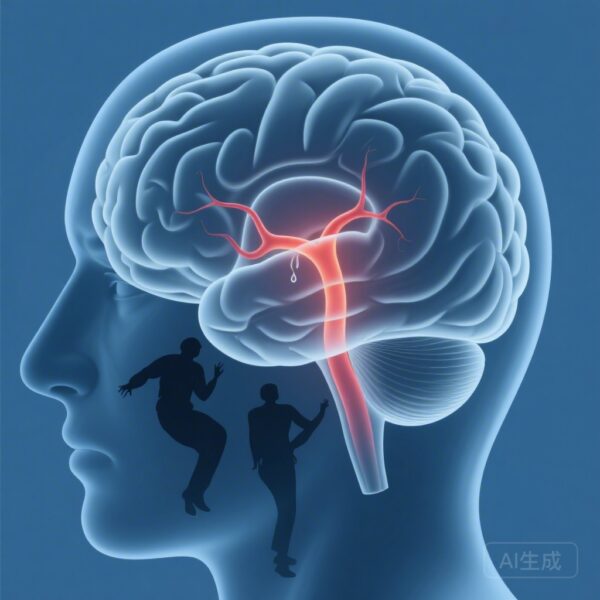
The human brain is a marvel of precision, and nowhere is this more evident than in the cerebellum, the region responsible for motor control, balance, and coordination. When the delicate cellular machinery of the cerebellum fails, the result is often spinocerebellar atrophy or ataxia, a debilitating condition characterized by the loss of physical coordination. For years, scientists have sought to identify the genetic mutations responsible for these conditions. A recent landmark study published in Brain: A Journal of Neurology has pinpointed a new culprit: variants in the SNUPN gene. This discovery not only sheds light on the causes of ataxia but also highlights the critical role of a process called RNA splicing in brain health.
The SNUPN Gene and snurportin-1
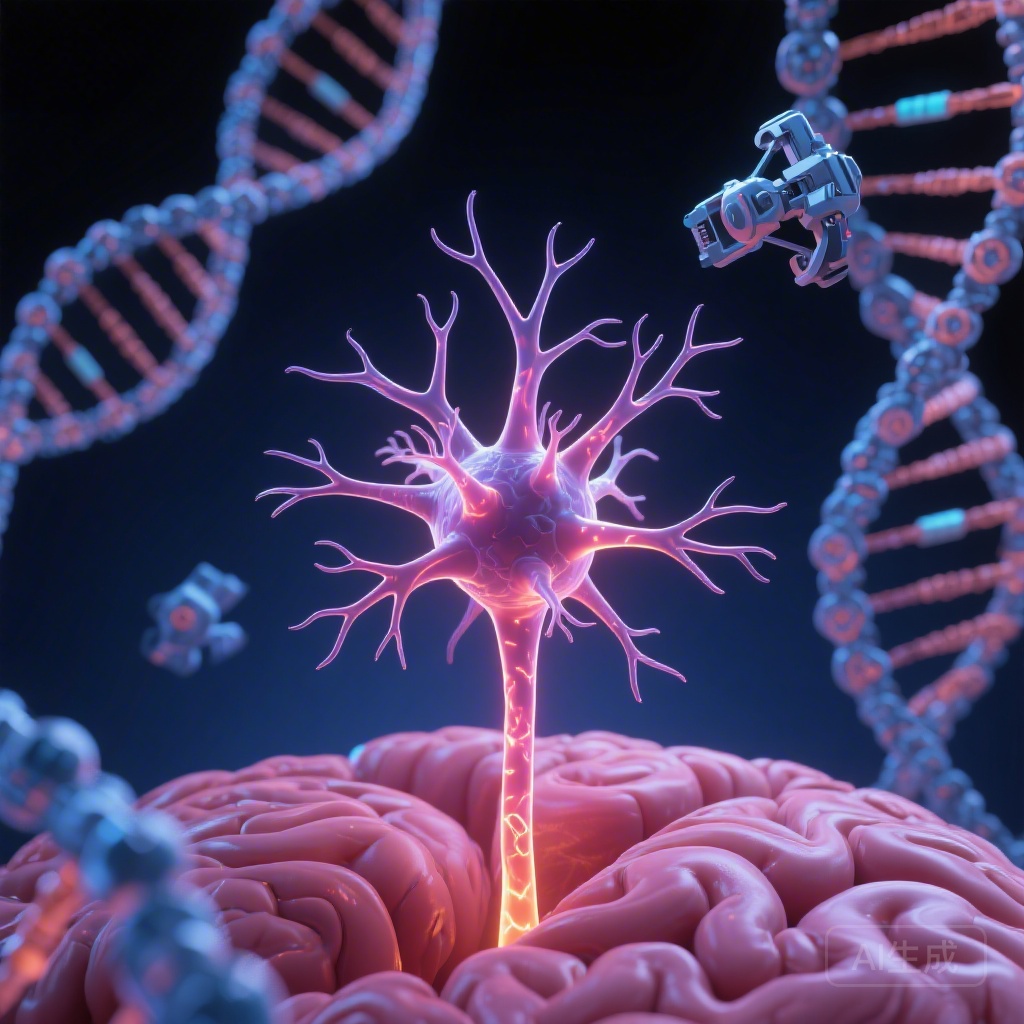
The SNUPN gene provides the instructions for making a protein called snurportin-1. This protein acts as a nuclear import adaptor. In simpler terms, it functions like a specialized transport vehicle that carries essential cargo into the cell nucleus. The specific cargo it handles is the U1 small nuclear ribonucleoprotein (snRNP), a vital component of the spliceosome. The spliceosome is the cellular machinery that performs RNA splicing. Splicing is the process where non-coding segments of RNA are removed and the coding segments are joined together to create a blueprint for building proteins. If splicing is disrupted, the resulting proteins can be malformed or entirely absent, leading to cellular dysfunction.
From Muscle Weakness to Brain Atrophy
Historically, mutations in the SNUPN gene were primarily associated with limb-girdle muscular dystrophy, a condition that causes weakness and wasting in the muscles of the hips and shoulders. This was attributed to disrupted RNA splicing specifically within skeletal muscle tissue. However, researchers suspected that the impact of SNUPN variants might extend further. By studying two families affected by spinocerebellar atrophy, scientists identified pathogenic variants in the SNUPN gene. Interestingly, while one patient showed mild muscle changes, the primary clinical presentation was neurological, suggesting that snurportin-1 is just as critical for the brain as it is for the muscles.
Decoding the Pathogenic Mechanism
To understand how these genetic variants cause disease, researchers conducted a series of sophisticated experiments. They began by analyzing the nuclear transport of mutated snurportin-1 in a laboratory setting. They found that the mutated versions of the protein were less efficient at binding to importin beta, another transport protein, which resulted in impaired movement of U1 snRNPs into the cell nucleus. To observe the effects in a living organism, the team generated knock-in mice carrying the same genetic variants found in the human patients. These mice exhibited classic signs of cerebellar ataxia, including impaired motor function and physical atrophy of the cerebellum.
The Vulnerability of Purkinje Cells
The study revealed that the most significant damage occurred in Purkinje cells, the large, intricate neurons that serve as the primary output for the cerebellum. Using advanced RNA sequencing and single-cell analysis, the researchers discovered that the lack of proper snurportin-1 transport led to global RNA splicing errors within these cells. These splicing errors affected many genes essential for neuronal development and the organization of synapses. One of the most striking findings was the impact on the cellular cytoskeleton. Purkinje cells in the affected mice had immature, malformed structures that prevented them from functioning correctly. Additionally, the cells showed a reduced secretion of Sonic Hedgehog (SHH), a signaling protein that is crucial for the development of surrounding brain tissues.
A Ripple Effect in Brain Development
The dysfunction of Purkinje cells did not occur in isolation. Because Purkinje cells play such a central role in cerebellar architecture, their defects caused secondary abnormalities in other parts of the brain. The researchers observed issues with granule cell migration and the development of interneurons. This suggests that the SNUPN mutations trigger a cascade of developmental failures, where the initial splicing error in one cell type disrupts the entire ecological balance of the cerebellum. This explains why the atrophy is so profound and why the symptoms of ataxia are so severe in affected individuals.
Expanding the Clinical Spectrum
This research significantly expands our understanding of SNUPN-related disorders. It establishes that while some variants may lead to muscular dystrophy, others primarily target the central nervous system, causing spinocerebellar atrophy. This shift in perspective is vital for clinicians who may now consider SNUPN testing for patients presenting with unexplained ataxia, even in the absence of muscle weakness. It also highlights ‘splicing dysregulation’ as a major theme in neurodegenerative research. If we can understand how to correct or compensate for these splicing errors, we may open the door to new therapeutic interventions for a wide range of genetic brain disorders.
Future Outlook and Treatment Potential
Currently, there is no cure for spinocerebellar atrophy caused by SNUPN variants, but this study provides a clear roadmap for future research. Potential treatments might involve gene therapy to restore functional snurportin-1 or pharmacological approaches to stabilize the U1 snRNP transport process. Furthermore, the identification of Sonic Hedgehog deficiency as a downstream effect suggests that supplementing signaling pathways might help mitigate some of the developmental damage. As we move into an era of personalized medicine, discoveries like these are the first step toward targeted therapies that address the root genetic cause of disease rather than just managing the symptoms. The work of Okubo and colleagues serves as a powerful reminder of how basic molecular biology—the simple act of cutting and pasting RNA—is fundamental to our ability to move, balance, and interact with the world.