The Evolution of Stroke Rehabilitation: A Multimodal Shift
Upper limb impairment remains one of the most persistent and debilitating consequences of stroke, affecting approximately 80% of survivors in the acute phase and often resulting in long-term deficits in manual dexterity. Traditional physical therapy, while foundational, often struggles to bridge the gap between gross motor movement and the fine motor control required for activities of daily living. In recent years, neurorehabilitation has pivoted toward technology-driven interventions that leverage the brain’s innate plasticity. Among these, Action Observation (AO) and Virtual Reality (VR) have emerged as frontrunners. However, the question remained: could their combination yield a synergistic effect greater than the sum of their parts? A recent multicenter randomized controlled trial published in Stroke (2026) suggests that the answer is a definitive yes.
Highlights
The study provides critical evidence for clinicians and researchers in the field of neurology:
1. Combined AO and VR therapy resulted in a significantly higher gain in paretic hand dexterity compared to VR therapy alone.
2. The therapeutic benefits were not only immediate but showed an increased divergence at a 6-month follow-up, favoring the experimental group.
3. The intervention demonstrated a specific efficacy for fine motor tasks, as measured by the Box and Block Test (BBT).
4. Treatment outcomes were influenced by an interaction between age and time-from-stroke, suggesting a window of optimized responsiveness.
Background: Addressing the Upper Limb Recovery Gap
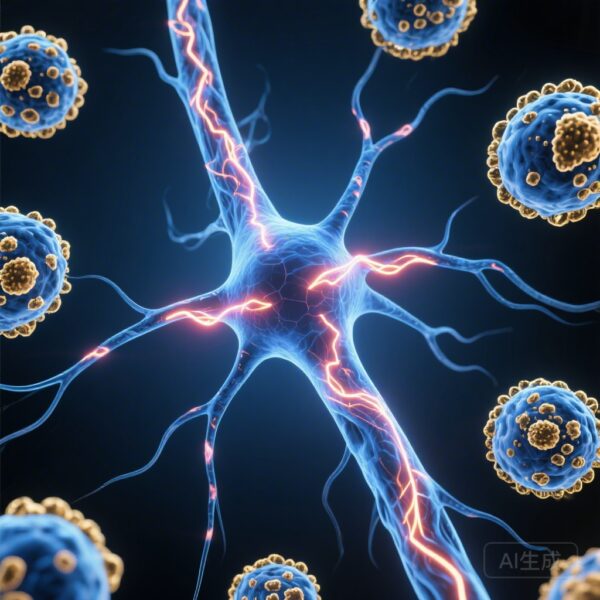
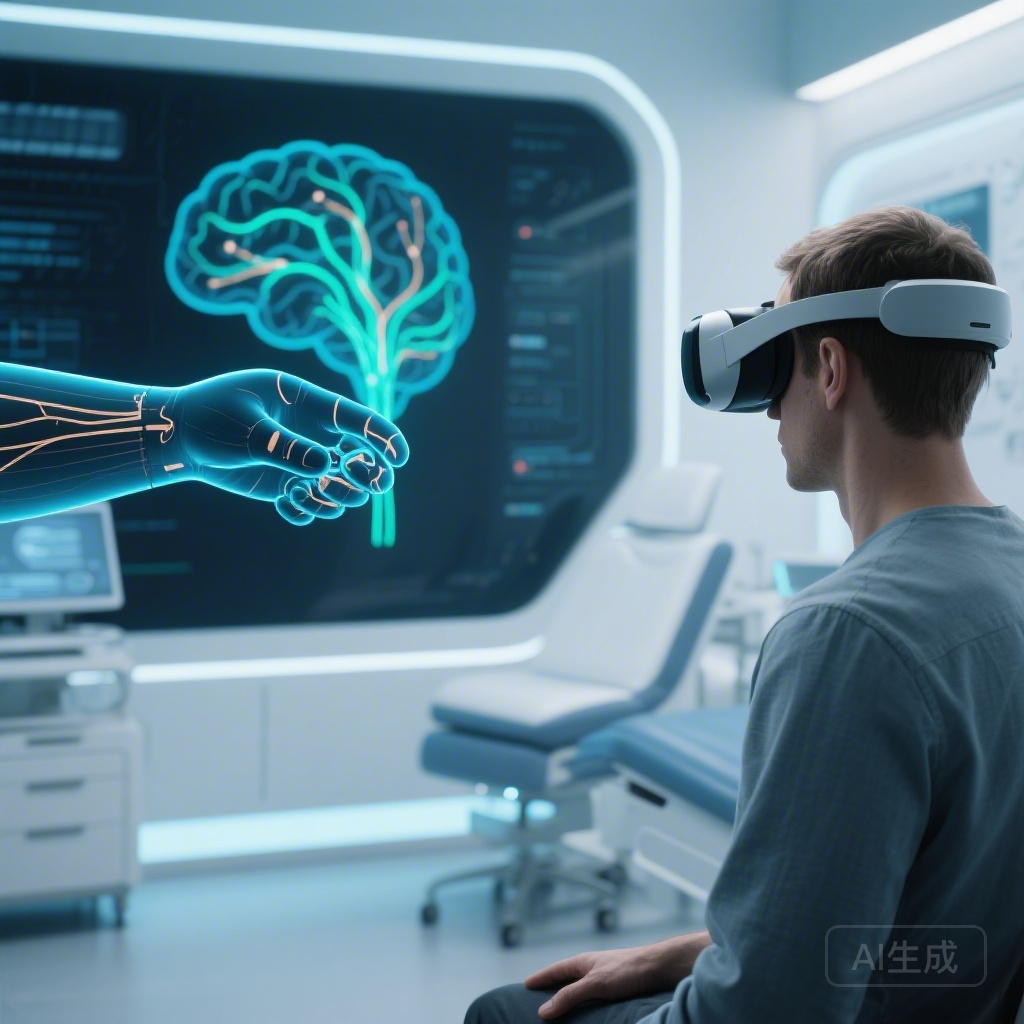
Recovery of the paretic hand is particularly challenging because it requires the reorganization of complex cortical networks responsible for precision grip and distal coordination. Action Observation is a ‘top-down’ cognitive strategy based on the Mirror Neuron System (MNS). When a patient observes a goal-directed action, the same neural circuits involved in performing that action are activated. Virtual Reality, conversely, provides a ‘bottom-up’ and ‘top-down’ hybrid experience, offering immersive, repetitive, and task-specific training with real-time biofeedback. While both have been used independently, this trial investigated whether the cognitive priming provided by AO could enhance the motor execution phase facilitated by VR.
Study Design and Methodology
This multicenter, assessor-blinded randomized controlled trial (NCT05163210) was conducted across several inpatient rehabilitation centers in Italy between January 2022 and September 2024. The study enrolled 48 post-stroke adults presenting with hemiplegia.
Participants were randomized into two groups:
The Experimental Group (AO + VR)
Participants underwent 20 one-hour sessions over five weeks. Each session began with the observation of goal-directed daily actions (e.g., grasping a cup, using a tool) via video. This was immediately followed by the replication of these tasks within a high-fidelity virtual reality environment.
The Control Group (VR Alone)
Participants in the control group viewed neutral nature scenes for the same duration before performing the identical virtual reality tasks. This design ensured that the total time of active VR engagement and therapist interaction was balanced, isolating Action Observation as the primary variable.
Motor function was rigorously evaluated at baseline, post-intervention, and at a 6-month follow-up. The primary endpoint was the change in scores on the Box and Block Test (BBT), a validated measure of manual dexterity.
Key Findings: A Significant Leap in Manual Dexterity
The results of the trial highlight a clear advantage for the multimodal approach. While both groups exhibited improvements over time—a testament to the general efficacy of VR-based training—the experimental group showed a marked superiority in paretic hand recovery.
At the post-treatment assessment, the experimental group demonstrated a between-group difference in change of 7.8 blocks (95% CI, 7.1-7.9) on the Box and Block Test. Perhaps more strikingly, this gap widened at the 6-month follow-up, with the experimental group maintaining and even extending their gains to a difference of 10.8 blocks (95% CI, 10.6-10.9) over the control group.
Interestingly, improvements in the non-paretic hand were comparable between groups, suggesting that the AO component specifically targeted the neural pathways associated with the recovery of the stroke-affected limb rather than general motor learning.
Secondary Outcomes and Covariate Interactions
Despite the significant gains in hand dexterity, secondary outcomes—including muscle strength (dynamometry), spasticity (Modified Ashworth Scale), and global disability measures—showed similar improvements across both groups. This suggests that the AO+VR combination is uniquely potent for fine motor coordination and functional use of the hand, rather than just increasing raw muscle force or reducing hypertonia.
One of the most clinically relevant findings was the significant treatment × age × time-from-stroke interaction. The data indicated that younger patients and those who began the intervention earlier in their recovery trajectory tended to derive the greatest benefit from the combined AO+VR protocol. However, even patients in the chronic phase showed meaningful improvements, supporting the idea that neuroplasticity remains accessible long after the initial insult.
Expert Commentary: Mechanistic Insights
The superiority of AO combined with VR likely stems from ‘neural priming.’ By observing a movement before attempting it, the patient activates the premotor cortex and the inferior parietal lobule—key components of the mirror neuron system. This activation lowers the threshold for the subsequent motor execution in the VR environment. Furthermore, the immersion provided by VR may enhance the ‘sense of agency,’ making the observed action feel more personal and achievable.
From a clinical perspective, this study validates the shift toward ‘enriched’ rehabilitation environments. It suggests that the cognitive state of the patient—what they see and think before they move—is just as important as the movement itself. The sustained improvement at six months is particularly encouraging, as it suggests that the combined therapy may induce more permanent cortical reorganization than repetitive movement alone.
Study Limitations
While the results are robust, the study is not without limitations. The sample size of 48, while sufficient for statistical significance in this RCT, is relatively small. Additionally, the multicenter nature of the trial, while increasing generalizability, introduces variables in therapist delivery style, although the standardized VR protocol mitigated this. Future research should explore whether this protocol can be adapted for home-based telerehabilitation to increase accessibility.
Conclusion: Implications for Clinical Practice
The integration of Action Observation with Virtual Reality represents a significant advancement in stroke neurorehabilitation. By targeting both the cognitive priming of movement and the immersive execution of tasks, clinicians can offer a more effective pathway for recovering paretic hand function. For health policy experts and facility directors, these findings support the investment in integrated digital health platforms that combine video-based observation modules with VR hardware. As we move toward 2026 and beyond, the standard of care for stroke recovery should increasingly reflect these multimodal, evidence-based strategies.
Funding and ClinicalTrials.gov
This study was supported by institutional research grants from the participating Italian rehabilitation centers.
ClinicalTrials.gov Identifier: NCT05163210.
References
1. Errante A, Saviola D, Cantoni M, et al. Action Observation Combined With Virtual Reality Promotes Motor Recovery After Stroke: A Randomized Controlled Trial. Stroke. 2026;57(3):e41847766.
2. Buccino G. Action observation treatment: a novel tool in neurorehabilitation. Philos Trans R Soc Lond B Biol Sci. 2014;369(1644):20130185.
3. Laver KE, Lange B, George S, et al. Virtual reality for stroke rehabilitation. Cochrane Database Syst Rev. 2017;11(11):CD008349.
4. Garrison KA, Winstein CJ, Aziz-Zadeh L. The mirror neuron system: a neural substrate for methods in stroke rehabilitation. Neurorehabil Neural Repair. 2010;24(5):404-412.