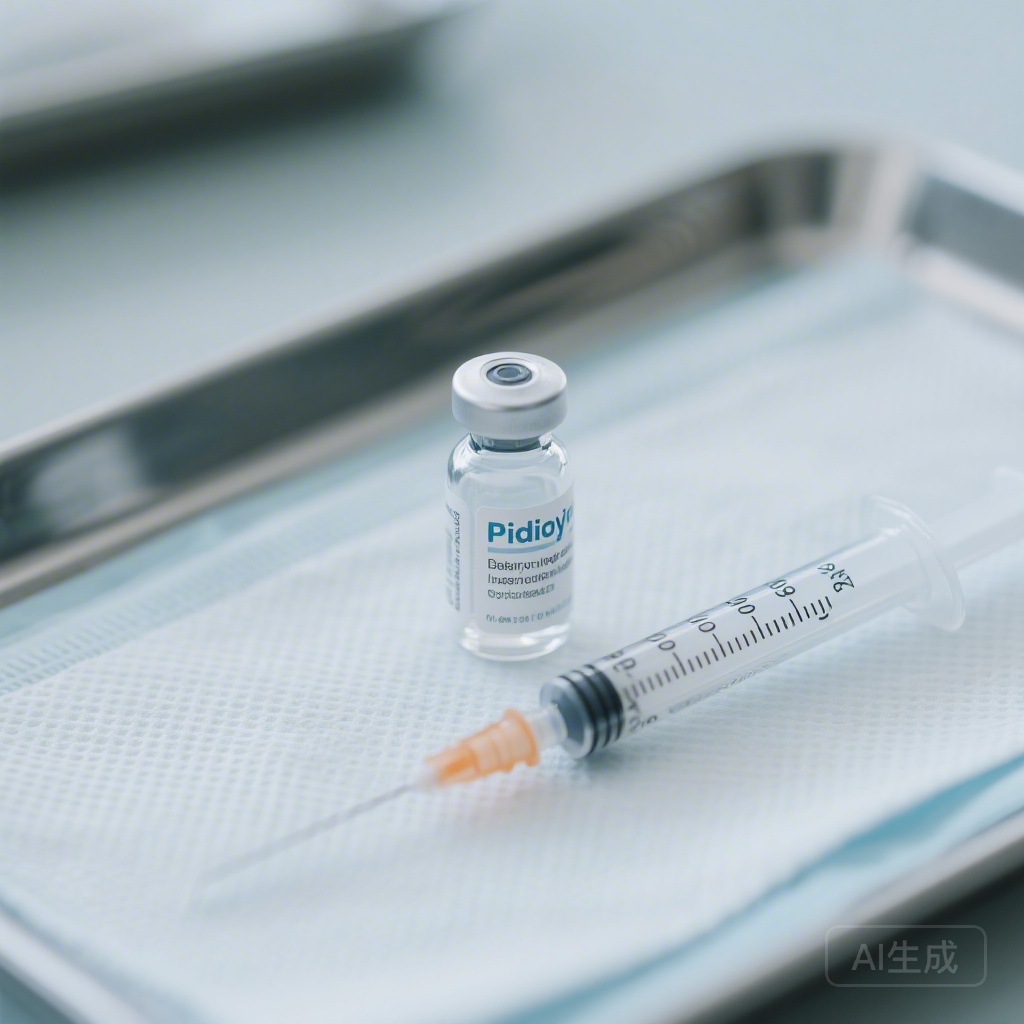
Highlights of the Trial
The study provides critical evidence regarding the minimum effective dose of the yellow fever vaccine in pediatric populations. Key highlights include:
- A low-dose (500 IU) regimen of the 17D-204 yellow fever vaccine failed to meet the -10% non-inferiority margin for seroconversion compared to the standard dose in infants aged 9–12 months.
- The seroconversion rate was 93% for the 500 IU dose versus 99% for the standard dose, representing a significant clinical gap in immunogenicity.
- Safety outcomes were comparable between the groups, with no serious adverse events attributed to the vaccination.
- Current WHO recommendations for fractional dosing in outbreak settings should not be extended to routine infant immunization programs.
Background: The Challenge of Vaccine Scarcity
Yellow fever remains a major public health threat in sub-Saharan Africa and tropical South America. Despite the existence of a highly effective live-attenuated vaccine (17D), global supply chains have frequently struggled to keep pace with demand during large-scale outbreaks. This scarcity has led the World Health Organization (WHO) to endorse the use of fractional dosing—using as little as one-fifth of a standard dose—as an emergency measure to extend vaccine coverage in adult populations.
Clinical data in adults have consistently shown that fractional doses as low as 500 IU can induce protective immunity that is non-inferior to the standard dose (typically >13,000 IU). However, the pediatric immune system is distinct. Infants are not merely small adults; their immune responses are shaped by transitioning maternal antibodies, an immature innate immune system, and a different baseline of T-cell and B-cell memory. Prior to this study, the minimum effective dose required to prime an infant’s immune system against yellow fever was unknown, creating a significant evidence gap for the WHO Expanded Programme on Immunization (EPI).
Study Design and Methodology
To address this uncertainty, researchers conducted a randomized, double-blind, non-inferiority trial across two centers in Kenya and Uganda. The study targeted a vulnerable and immunologically critical demographic: infants aged 9–12 months who had no prior history of yellow fever vaccination or infection. Participants were randomly assigned in a 1:1 ratio to receive either the standard dose of the Institut Pasteur de Dakar 17D-204 vaccine or a fractional 500 IU dose.
Crucially, the study was designed to reflect real-world clinical practice, co-administering the yellow fever vaccine with the measles-rubella (MR) vaccine, as is standard in many national immunization schedules. The primary outcome was the seroconversion rate 28 days post-vaccination. Seroconversion was defined as a four-fold or greater increase in neutralizing antibody titers from baseline, measured using the gold-standard 50% plaque reduction neutralization test (PRNT50). The non-inferiority margin was pre-specified at -10 percentage points for the lower bound of the 95% confidence interval (CI).
Analysis of Key Findings: The Failure to Meet Non-Inferiority
The trial enrolled 420 infants between October 2021 and June 2023. The results in the per-protocol population were definitive but disappointing for those hoping to extend dose-stretching strategies to infants. In the standard-dose group, the seroconversion rate was an impressive 99% (177 of 179 infants). In contrast, the 500 IU dose group achieved a seroconversion rate of 93% (166 of 179 infants).
The absolute difference in seroconversion rates was -6.15 percentage points. However, the 95% CI ranged from -10.27 to -2.02. Because the lower bound of this interval (-10.27) crossed the pre-defined non-inferiority threshold of -10%, the fractional dose could not be considered non-inferior to the standard dose.
Quantitative Breakdown of Immunogenicity
While a 93% seroconversion rate might seem high in isolation, in the context of a highly lethal disease like yellow fever, a 6% drop in efficacy compared to the standard of care is clinically significant. Furthermore, the geometric mean titers (GMTs) of neutralizing antibodies were lower in the fractional dose group, suggesting not only fewer infants responded but that those who did respond may have had a less robust immune signature, potentially affecting the duration of long-term protection.
Safety and Tolerability Profiles
From a safety perspective, the 500 IU dose was well-tolerated. The study recorded 12 serious adverse events (SAEs)—eight in the fractional group and four in the standard group. Clinical review determined that all SAEs were unrelated to the study vaccine, involving common childhood illnesses such as malaria and respiratory infections prevalent in the study regions. There were no cases of vaccine-associated neurotropic disease (VAND) or viscerotropic disease (VAVD), confirming that the safety profile of the 17D-204 strain remains excellent even at varying dosages.
Expert Commentary: Why Infants Require Full Dosing
The failure of the 500 IU dose to meet non-inferiority criteria in infants stands in stark contrast to previous findings in adults. Several immunological mechanisms may explain this discrepancy. First, the infant immune system may require a higher threshold of viral particles to successfully seed a productive, limited infection that is necessary for the live-attenuated 17D vaccine to induce memory. In adults, who have a more mature and previously primed innate immune system, a smaller inoculum may be sufficient to trigger an adequate adaptive response.
Second, the interference of maternal antibodies cannot be entirely ruled out, even at 9–12 months of age. If residual maternal antibodies neutralize a portion of the fractional dose, the remaining viral load may fall below the threshold required for successful replication and subsequent immune recognition. Finally, the co-administration with the measles-rubella vaccine, while practical, introduces potential immune interference that may be more pronounced when using lower antigen loads of the yellow fever component.
Conclusion and Clinical Implications
The findings of this trial have immediate implications for global health policy and pediatric practice. The results clearly demonstrate that the minimum effective dose of yellow fever vaccine for infants is higher than the 500 IU threshold that has proven effective in adults. Consequently, fractional dosing should not be utilized for routine infant immunization in the WHO Expanded Programme on Immunization.
For clinicians and policy makers, the message is clear: while fractional dosing remains a vital tool for managing adult populations during acute vaccine shortages, protecting the youngest and most vulnerable requires the full standard dose. Future research should perhaps investigate intermediate doses (e.g., one-half or one-third) to see if a middle ground exists, but until such data are available, the standard dose remains the non-negotiable gold standard for pediatric yellow fever prevention.
Funding and Clinical Registration
This study was funded by the European and Developing Countries Clinical Trials Partnership (EDCTP) and the Wellcome Trust. It is registered with ClinicalTrials.gov under the identifier NCT04059471.
References
1. Kimathi D, Juan-Giner A, Bob NS, et al. Low-dose yellow fever vaccination in infants: a randomised, double-blind, non-inferiority trial. Lancet. 2026;407(10527):497-504. doi:10.1016/S0140-6736(25)02069-0.
2. World Health Organization. Fractional dose yellow fever vaccine as a dose-sparing strategy: WHO recommendation. WHO Weekly Epidemiological Record. 2016.
3. Vannice K, et al. Fractional Dose Yellow Fever Vaccination: A Systematic Review and Meta-analysis. Vaccine. 2018.