Highlight
- First in vivo evidence of altered serotonin release capacity in schizophrenia using PET imaging.
- Unexpectedly elevated frontal cortex serotonin release, associated with worse negative symptoms.
- Deficit schizophrenia subgroup showed the most pronounced serotonergic dysfunction.
- Findings point to serotonin regulation as a novel therapeutic target for negative symptoms.
Background
Schizophrenia is a severe psychiatric disorder characterized by positive symptoms (hallucinations, delusions), negative symptoms (social withdrawal, apathy, blunted affect), and cognitive impairments. Negative symptoms, in particular, are a major driver of disability yet remain poorly responsive to current antipsychotic treatments. For decades, dopaminergic dysfunction has dominated the neurobiological framework of schizophrenia; however, serotonergic systems — specifically 5-hydroxytryptamine (5-HT) signaling — have long been implicated in the disease’s pathophysiology. Serotonin receptor modulators, notably 5-HT2A antagonists, are key components of several atypical antipsychotics, but direct in vivo evidence of serotonin release abnormalities in schizophrenia has been lacking.
Study Design
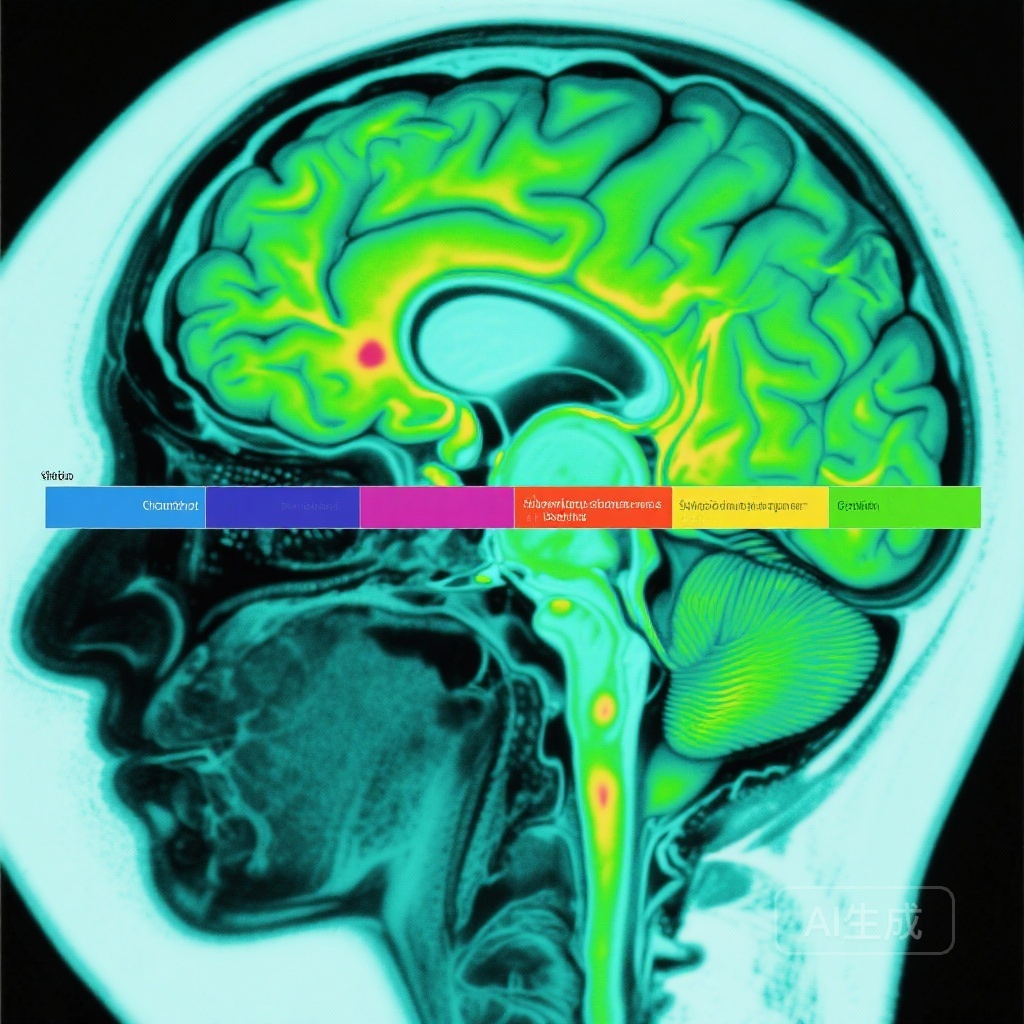
The study conducted by Osugo et al. was a single-center case-control investigation at a London site between 2015 and 2024. Participants underwent dynamic 90-minute [11C]Cimbi-36 positron emission tomography (PET) scans at baseline and three hours after oral d-amphetamine (0.5 mg/kg), a pharmacological challenge designed to elicit serotonin release. [11C]Cimbi-36 is a selective PET ligand for the 5-HT2A receptor, allowing indirect quantification of extracellular serotonin changes through ligand displacement. Inclusion criteria required stable adult outpatients with DSM-5 schizophrenia, either antipsychotic-free or on agents with negligible 5-HT2A affinity, and healthy controls matched for age, sex, and BMI.
The prespecified primary outcome was the percent change in frontal cortex [11C]Cimbi-36 binding potential — representing serotonin release capacity — between baseline and post-d-amphetamine scans. Secondary analyses explored correlations between serotonin release and clinical measures, namely the Brief Negative Symptom Scale (BNSS) and Social Functioning Scale (SFS). Exploratory subgroup analysis compared deficit schizophrenia (primary and enduring negative symptoms), nondeficit schizophrenia, and controls.
Key Findings
A total of 54 participants were analyzed: 26 with schizophrenia (mean age 33.3 years, 62% male, 81% antipsychotic-free) and 28 controls (mean age 32.0 years, 68% male).
Primary Outcome
Contrary to the original hypothesis of reduced serotonin release in schizophrenia, PET data demonstrated a significantly greater frontal cortex serotonin release in schizophrenia patients compared to controls: mean difference 18.0% (95% CI, 2.5–33.6%; P = 0.02; Cohen’s d = 0.69).
Clinical Correlations
Within the schizophrenia group, greater serotonin release was associated with more severe negative symptoms (BNSS Pearson r = 0.42; P = 0.04) and lower functioning on the SFS (Pearson r = -0.42; P = 0.04). This suggests that hyper-serotonergic responses in the cortical region may contribute to the behavioral and motivational deficits characteristic of the illness.
Exploratory Subgroup Analysis
Deficit schizophrenia patients exhibited markedly higher frontal cortex serotonin release than healthy controls (mean difference = 32.3%; FDR-corrected P = 0.001; Cohen’s d = 1.10) and nondeficit patients (mean difference = 28.9%; FDR-corrected P = 0.004; Cohen’s d = 0.89). Notably, these patterns remained in the antipsychotic-free subgroup (N=21), underscoring that results are not attributable to drug effects. Baseline 5-HT2A receptor binding did not differ between groups, suggesting the abnormality lies in release dynamics rather than receptor density.
Expert Commentary
The unexpected finding of elevated serotonin release overturns longstanding assumptions about serotonergic hypofunction in schizophrenia and aligns with emerging neurochemical evidence indicating complex bidirectional alterations in neurotransmitter systems. One biological hypothesis is that amplified serotonin release during challenge reflects impaired regulatory feedback within serotonergic neurons, perhaps downstream of prefrontal cortical disinhibition. Clinically, the link to negative symptoms raises the possibility that targeted modulation — potentially via partial agonists, release inhibitors, or serotonergic autoreceptor modulators — might alleviate these enduring functional impairments.
Limitations include the relatively modest sample size, single-site design, and chronic illness stage of participants, which may limit generalizability to early-phase schizophrenia. PET ligand specificity to 5-HT2A receptors means results cannot directly quantify serotonin concentrations, only infer release through binding competition dynamics. Nonetheless, replication in antipsychotic-free patients strengthens confidence in the findings.
Conclusion
This landmark PET study provides the first in vivo evidence of altered serotonin release in schizophrenia, with the surprising observation that release capacity is increased, particularly in deficit subtype patients. The correlation with more severe negative symptoms and functional decline indicates a potential mechanistic link, opening the door to serotonin-targeting strategies in an area of critical unmet clinical need. Future research should aim to dissect the developmental trajectory of these serotonergic abnormalities and test interventions that normalize release profiles.
Funding and ClinicalTrials.gov
Authors did not list trial registration details in the provided summary; funding sources were not specified. Readers should refer to the original JAMA Psychiatry publication for full disclosures.
References
Osugo M, Whitehurst T, Erritzoe D, Carr R, Ashok AH, Maccioni L, Onwordi EC, Rutigliano G, Rahaman N, Arumuham A, de Marvao A, Gunn RN, Rabiner EA, Marques TR, Veronese M, Howes OD. Role of Serotonin in the Neurobiology of Schizophrenia and Association With Negative Symptoms. JAMA Psychiatry. 2025 Dec 10:e253430. doi: 10.1001/jamapsychiatry.2025.3430. Epub ahead of print. PMID: 41370075; PMCID: PMC12696662.