Introduction: The Vulnerable Preterm Brain and the Quest for Stability
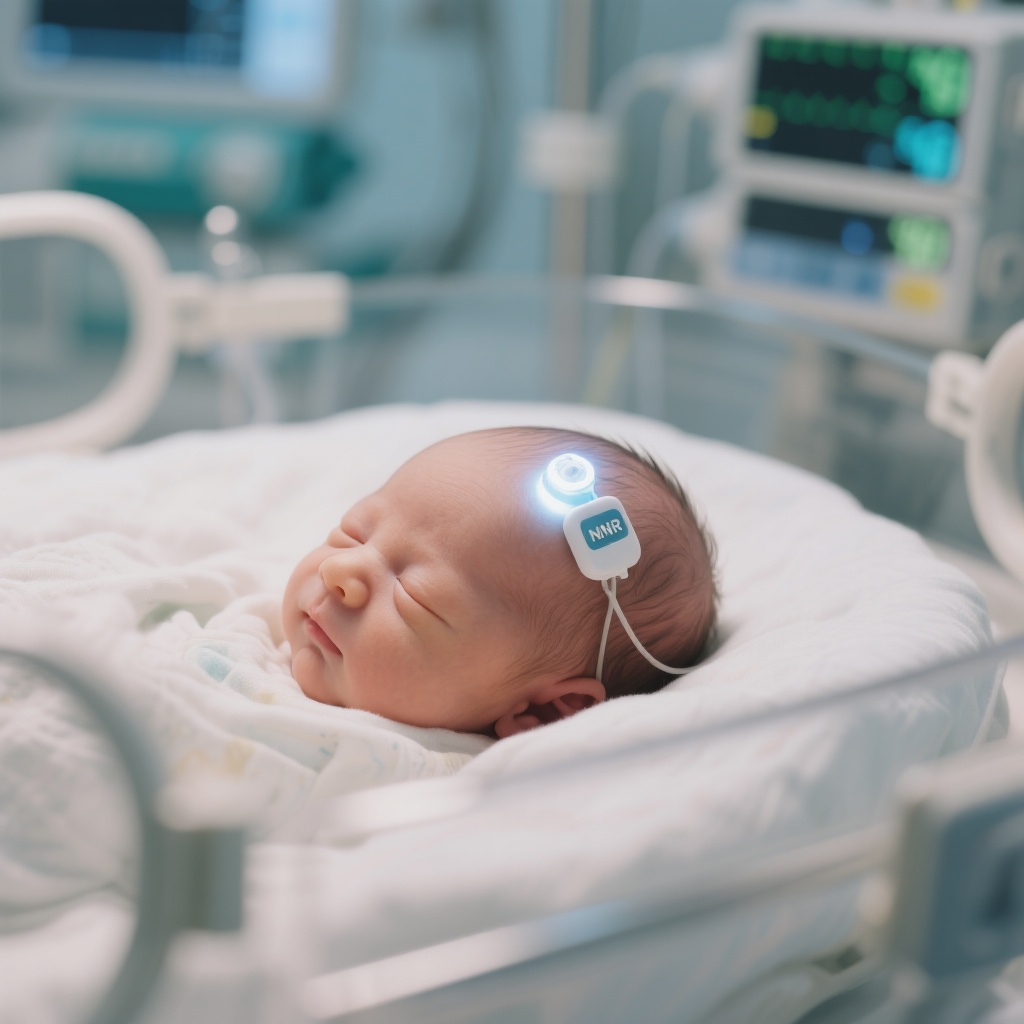
The transition from the intrauterine environment to the neonatal intensive care unit (NICU) is perhaps most perilous for infants born at less than 29 weeks’ gestation. These extremely preterm neonates face a high risk of brain injury, including germinal matrix-intraventricular hemorrhage (IVH) and periventricular leukomalacia (PVL). A primary driver of these pathologies is the instability of cerebral oxygenation. Unlike full-term infants, extremely preterm neonates often lack robust cerebral autoregulation, making their brain perfusion and oxygenation highly dependent on systemic blood pressure and arterial oxygen saturation. Traditionally, clinicians have relied on indirect markers—such as mean arterial pressure, heart rate, and peripheral oxygen saturation (SpO2)—to manage these fragile patients. However, these parameters often fail to reflect the actual oxygen delivery and consumption within the cerebral tissue. This clinical gap has led to the adoption of Near-Infrared Spectroscopy (NIRS), a noninvasive tool that provides real-time monitoring of regional cerebral oxygen saturation (rcSO2).
Highlighting the Evidence
The recently published randomized clinical trial by Jani et al. in JAMA Network Open provides pivotal evidence on the efficacy of integrating cerebral oximetry with a dedicated treatment guideline. The study found that such a protocol significantly improves the stability of cerebral oxygenation during the critical first five days of life. Specifically, the intervention group saw a dramatic reduction in the burden of hypoxia and hyperoxia compared to standard care. This finding is particularly significant because it utilized a single device manufacturer and a sensor specifically designed for neonatal use, addressing some of the technical variability seen in previous multi-center trials.
Study Design and Methodology
This single-blinded, two-arm randomized clinical trial was conducted across five tertiary NICUs in Australia, New Zealand, and the United States between October 2021 and July 2024. The study included 100 infants born at less than 29 weeks’ gestation, randomized within six hours of birth. The cohort was stratified by gestational age (less than 26 weeks and 26 weeks or greater) and study site to ensure balance.
The Intervention Group
Infants in the intervention group received cerebral oximetry monitoring (using Nonin Medical Inc sensors) with visible data for the clinical team. Most importantly, treatment was dictated by a dedicated guideline whenever rcSO2 values fell outside the target range of 65% to 90%. If an infant experienced cerebral hypoxia (rcSO2 90%) was detected, the protocol suggested weaning respiratory support or adjusting oxygen concentrations.
The Control Group
In the standard care group, cerebral oximetry was performed, but the monitors were blinded to the clinical staff. Treatment was guided by conventional monitoring, including SpO2, blood pressure, and clinical assessment, according to local hospital protocols. This design allowed for a direct comparison of whether the addition of NIRS data and a standardized response algorithm could actually alter physiological outcomes.
Key Findings: A Dramatic Shift in Oxygenation Burden
The primary outcome was the “burden” of cerebral hypoxia and hyperoxia, defined as the percentage of hours where rcSO2 values were outside the 65%–90% range during the first 120 hours of life. The results were statistically and clinically striking.
Primary Outcome Analysis
The intervention group (n = 50) exhibited a median burden of hypoxia and hyperoxia of only 5.7% hours. In sharp contrast, the standard care group (n = 50) had a median burden of 39.6% hours. After adjustment, the intervention was associated with a 42.8% reduction in the burden of oxygenation instability (95% CI, 35.6% to 53.3%; P < .001). This suggests that having the NIRS data available and following a structured response allows clinicians to correct physiological deviations much more rapidly than standard monitoring alone.
Secondary and Safety Outcomes
While the study was not primarily powered to detect differences in long-term neurodevelopment or mortality, these metrics were closely tracked. Mortality and common preterm morbidities—such as bronchopulmonary dysplasia, necrotizing enterocolitis, and high-grade IVH—were comparable between the two groups. Critically, safety outcomes, including NIRS-related skin injury, showed no significant difference, indicating that the use of these sensors is safe even for the extremely fragile skin of a micro-preemie.
Expert Commentary: Contextualizing the Results
The results of this trial are particularly interesting when viewed alongside the SafeBoosC-III trial, which was a much larger international study that failed to show a significant difference in a composite outcome of death or severe brain injury despite using NIRS. However, the Jani et al. trial focused specifically on the *physiological* stabilization achieved when using a single, high-quality sensor and a very specific treatment algorithm.
Biological Plausibility
The biological rationale for these findings is sound. Cerebral hypoxia is a known precursor to white matter injury and neuronal apoptosis, while hyperoxia can trigger oxidative stress and inflammatory cascades that damage the delicate cerebral vasculature. By narrowing the window of exposure to these extremes, clinicians are theoretically preserving the metabolic balance of the developing brain. The use of a dedicated guideline is the “active ingredient” here; NIRS without a protocol is merely a data point, but NIRS with a guideline is a therapeutic intervention.
Technical Considerations
One of the strengths of this study was the use of a single manufacturer’s device. NIRS technology is known for inter-device variability; different manufacturers use different algorithms and wavelengths, which can lead to different baseline rcSO2 values. By standardizing the hardware, this trial provides a clearer picture of how a specific device performs in a clinical response loop.
Limitations and Future Directions
Despite the impressive reduction in oxygenation burden, several questions remain. The sample size of 100 infants is sufficient for physiological outcomes but insufficient to determine if this reduction in hypoxia/hyperoxia translates into improved two-year neurodevelopmental scores or a reduction in the incidence of cerebral palsy. Furthermore, the blinding of the control group, while necessary for the study design, does not fully replicate real-world practice where clinicians might be more or less aggressive based on other clinical factors.
Future research must bridge the gap between physiological stability and clinical outcomes. Large-scale, multi-center trials that utilize the standardized protocols developed in this study are needed to confirm whether this 42.8% reduction in oxygenation burden leads to a tangible decrease in brain injury as seen on MRI or in long-term cognitive testing.
Conclusion: A New Horizon for Neonatal Monitoring
The study by Jani et al. demonstrates that cerebral oximetry, when coupled with a rigorous treatment guideline, is a powerful tool for maintaining cerebral homeostasis in extremely preterm infants. It successfully moved the needle on oxygenation stability, transforming a chaotic physiological environment into a much more controlled one. For clinicians, this evidence suggests that NIRS should not be viewed as an optional luxury but as a vital component of a neuroprotective strategy in the NICU. As we move toward more personalized and precise neonatal care, the integration of real-time cerebral oxygenation data will likely become a cornerstone of standard practice.
Funding and Clinical Registry
This trial was supported by various regional health grants and neonatal research funds. The trial is registered with the Australian New Zealand Clinical Trials Registry (ACTRN12621000778886).
References
1. Jani PR, Goyen TA, Balegar KK, et al. Cerebral Oximetry-Guided Treatment and Cerebral Oxygenation in Extremely Preterm Infants: A Randomized Clinical Trial. JAMA Netw Open. 2026;9(2):e2557620. doi:10.1001/jamanetworkopen.2025.57620.
2. Hansen ML, Hyttel-Sorensen S, Jakobsen JC, et al. Cerebral oximetry monitoring in extremely preterm infants: the SafeBoosC-III randomized clinical trial. JAMA. 2023;329(11):871-882.
3. Greisen G. Cerebral oximetry in preterm infants: is it time for routine use? Seminars in Fetal and Neonatal Medicine. 2024;29(1):101-108.