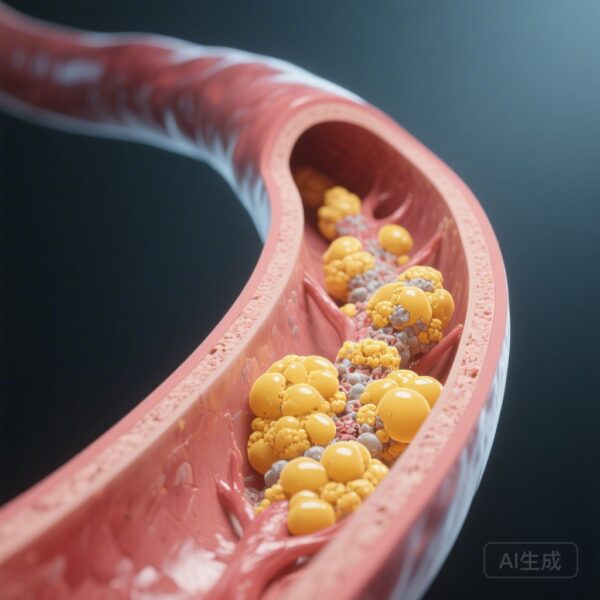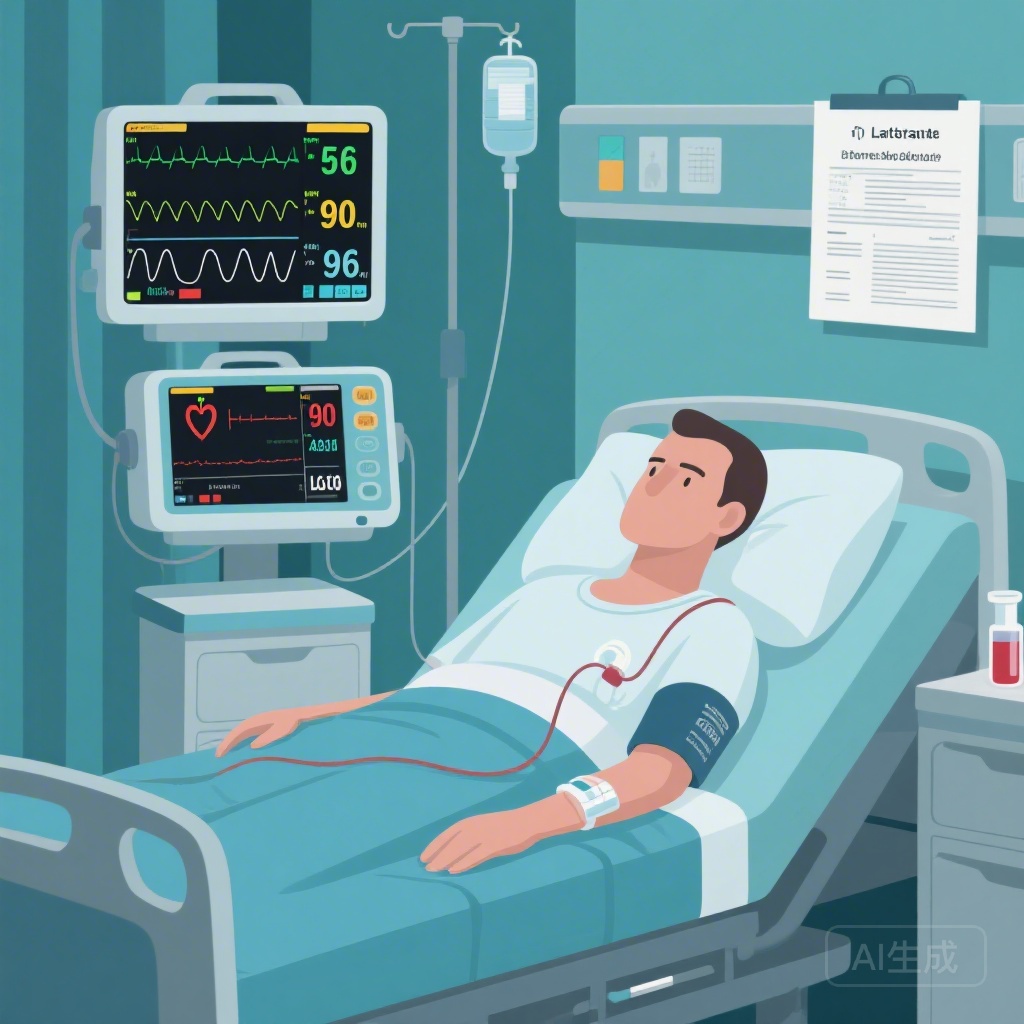
Patient Information
This report analyzes a cohort of 500 adult patients (median age 76 years; 56% men; 79% White) who presented with Society for Cardiovascular Angiography and Interventions (SCAI) Stage B cardiogenic shock across a six-hospital system between 2017 and 2022. Patients were admitted to medical, intermediate, and critical care units. Exclusion criteria included those with cardiac arrest, those already requiring mechanical circulatory support, and those with noncardiac etiologies for shock. The baseline characteristics of this population frequently included chronic heart failure and varying degrees of renal impairment prior to the index admission.
Diagnosis
The diagnosis of SCAI Stage B, often referred to as ‘beginning’ or ‘pre-shock,’ was established based on specific hemodynamic and biochemical markers. Diagnosis required either hypotension (defined as a systolic blood pressure ≤90 mm Hg or a mean arterial pressure ≤65 mm Hg) or signs of hypoperfusion (lactate levels between 2 and 5 mEq/L). In this cohort, 18% of patients presented with isolated hypotension, while 82% presented with isolated hypoperfusion. The primary underlying etiologies were heart failure (37%), arrhythmias (23%), and acute myocardial infarction (13%).
Differential Diagnosis
During the diagnostic process, clinicians must differentiate SCAI Stage B cardiogenic shock from other forms of shock and more advanced stages of cardiac failure. The differential includes:
- SCAI Stage A (At Risk): Patients with risk factors for shock but no hypotension or hypoperfusion.
- SCAI Stage C (Classic): Patients requiring inotropes or mechanical support to maintain perfusion.
- Noncardiac Shock: Sepsis, hypovolemia, or obstructive shock (pulmonary embolism), which were excluded in this study.
- Acute Decompensated Heart Failure: Distinguished from Stage B shock by the absence of significant hypotension or elevated lactate.
Treatment and Management
Management focused on stabilizing hemodynamics and addressing the underlying cardiac cause. Key therapeutic interventions involved:
- Volume Management: Monitoring fluid balance was critical. The cohort that successfully recovered showed a more negative fluid balance (-0.68 L) compared to those who deteriorated (-0.30 L).
- Diuretic Therapy: Diuretics were the mainstay for congestion management. However, 21% of the deterioration cohort exhibited diuretic resistance, a significant challenge in management.
- Hemodynamic Monitoring: Close observation of blood pressure and lactate clearance in intermediate and critical care settings.
- Standard Cardiac Care: Addressing myocardial infarction with revascularization and arrhythmias with rate or rhythm control as indicated.
Outcome and Prognosis
Approximately 27% (135 patients) of the population experienced clinical deterioration, defined as a composite of transfer to a higher level of care, escalation to a higher SCAI stage (C, D, or E), or in-hospital mortality. Patients with isolated hypotension had significantly worse outcomes than those with isolated hypoperfusion. Independent predictors of deterioration included acute kidney injury (adjusted odds ratio [aOR] 2.17; 95% CI, 1.11-4.22) and diuretic resistance (aOR 9.55; 95% CI, 2.61-34.89) in the preceding 24 hours. Renal injury was present in 60% of those who deteriorated versus 33% of those who recovered.
Discussion
This large-scale evaluation provides crucial insights into the ‘grey zone’ of SCAI Stage B shock. While these patients do not yet meet the criteria for ‘classic’ cardiogenic shock, over a quarter will deteriorate rapidly. The study underscores that Stage B shock is not a benign state.
The finding that diuretic resistance is the strongest predictor of clinical decline (with nearly a ten-fold increase in odds) suggests that failure to achieve adequate decongestion and the presence of cardiorenal syndrome are early red flags. Furthermore, the higher risk associated with isolated hypotension compared to isolated hypoperfusion suggests that blood pressure monitoring remains a primary clinical tool for identifying the most vulnerable Stage B patients. Clinicians should maintain a high index of suspicion for patients exhibiting rising creatinine or poor diuretic response, as these markers often precede overt hemodynamic collapse. Identifying these ‘deteriorators’ early may allow for more aggressive intervention before the onset of SCAI Stage C shock.
References
Mehta C, Has P, Mehta A, et al. Etiology, Management, and Outcomes of Society for Cardiovascular Angiography and Interventions Stage B Cardiogenic Shock. Circulation. Heart failure. 2026;e013814. PMID: 41711037.