Highlights
- 41% of electrophysiology (EP) professionals reported work-related orthopedic injuries, with nearly 23% requiring surgical intervention.
- 50% of pregnant women in the EP field experienced complications, including a 27.1% rate of miscarriage, significantly higher than some general population benchmarks.
- Malignancies were reported by 7.8% of respondents, with solid tumors, thyroid, and breast cancers being the most prevalent.
- The findings underscore a critical need for institutional policy changes, ergonomic innovation, and enhanced radiation protection strategies.
Background: The Physical Cost of Precision
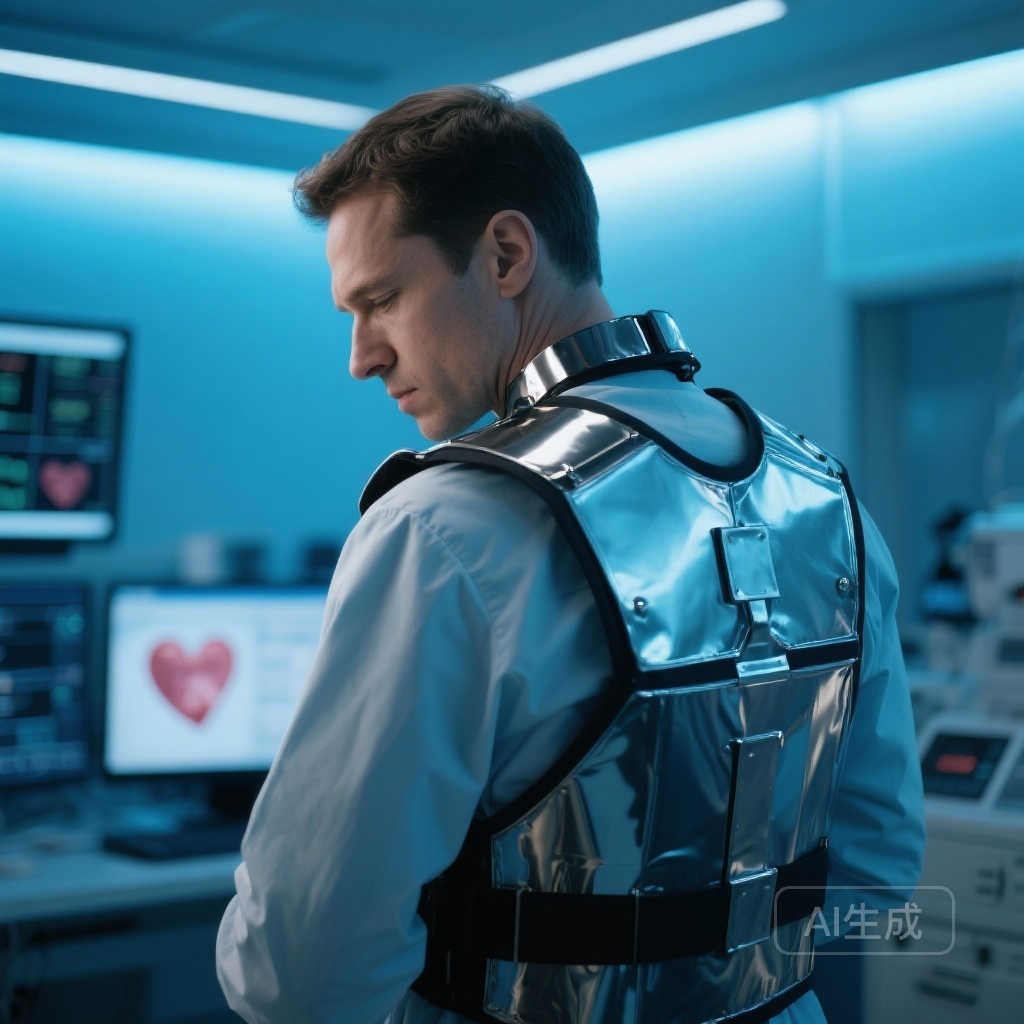
The field of cardiac electrophysiology (EP) has undergone a technological revolution over the last two decades. From complex mapping systems to advanced ablation techniques, the ability to treat arrhythmias has reached unprecedented levels of precision. However, this progress has often come at a physical cost to the clinicians and allied professionals who staff the EP laboratory. The environment is uniquely challenging: it requires long hours of standing, the use of heavy lead personal protective equipment (PPE), and chronic exposure to low-dose ionizing radiation.
While the risks associated with radiation are well-documented in interventional cardiology and radiology, the specific occupational hazards facing the global EP community—particularly regarding orthopedic strain and reproductive health—have remained understudied. This lack of data has hindered the development of evidence-based safety standards and institutional policies. The Heart Rhythm Society (HRS) member survey was designed to fill this gap, providing a comprehensive look at the health challenges faced by those on the front lines of arrhythmia care.
Study Design and Methodology
To quantify these risks, a 20-question survey was developed and distributed globally to the Heart Rhythm Society membership. The survey targeted a diverse range of professionals, including EP physicians, nurses, technologists, and clinical specialists. The questionnaire employed a mix of multiple-choice and open-ended questions to capture both quantitative data on health outcomes and qualitative insights into the professional experience.
The study population was robust, with 1,336 respondents out of 30,663 contacted (a 4.4% response rate). The cohort was predominantly composed of physicians (72.9%), followed by non-physician professionals (22.4%) and clinical specialists (4.7%). Demographic diversity was noted, with 30.9% women and 68.1% men, providing a sufficient sample size to investigate gender-specific risks, particularly those related to pregnancy and reproductive health.
Key Findings: A Triple Threat of Radiation, Strain, and Reproductive Risk
The results of the survey reveal a sobering picture of the occupational health landscape in the EP lab. The hazards can be broadly categorized into radiation-associated outcomes, orthopedic injuries, and reproductive health challenges.
Radiation-Associated Health Outcomes: Malignancies and Cataracts
Chronic exposure to ionizing radiation remains a primary concern in the EP setting. In this survey, 7.8% of respondents (n=97) reported a history of malignancy. Among these cases, solid tumors were the most common (29.9%), followed by thyroid cancer (15.5%) and breast cancer (11.3%). While the survey design does not allow for a direct causal link to be established between radiation and these specific cancers, the prevalence of thyroid and breast cancer—both of which are highly sensitive to radiation—is noteworthy.
Furthermore, premature cataracts (occurring before the age of 50) were reported by 3.7% of the cohort. The ocular lens is one of the most radiation-sensitive tissues in the human body, and these findings suggest that despite the use of leaded glasses and shields, cumulative exposure continues to pose a risk to the long-term health of EP professionals.
The Orthopedic Crisis: The Heavy Price of Lead Protection
Perhaps the most striking finding of the survey was the sheer volume of orthopedic injuries. A staggering 41% of respondents reported work-related musculoskeletal issues. The physical toll was severe: 67.6% of those injured required physical therapy or specialized exercise programs, and 22.7% required surgery to address their conditions.
The etiology of these injuries is largely attributed to the weight of lead aprons, which can range from 10 to 15 pounds. Standing in these aprons for 6 to 10 hours a day creates significant axial loading on the spine, leading to what is often colloquially termed ‘interventionalist’s disc.’ The survey data confirms that this is not merely a nuisance but a career-threatening issue that necessitates institutional intervention, such as the adoption of suspended lead systems or lead-free radiation protection technologies.
Reproductive Health: A Critical Concern for Women in EP
The survey provided much-needed data on the reproductive challenges faced by women in the field. Among the 242 women who had been pregnant, 50% reported at least one complication. The rate of miscarriage was 27.1%, which is higher than the generally cited 10-20% in the general population, though direct comparisons are difficult without age-matching.
In addition to miscarriages, 14.8% of women reported the need for in vitro fertilization (IVF), 8.9% experienced hypertensive disorders of pregnancy, and 9.8% faced fetal growth problems or preterm labor. These findings suggest that the combination of physical stress, radiation concerns, and the high-pressure environment of the EP lab may contribute to adverse pregnancy outcomes. It also highlights a potential barrier to entry for women considering a career in electrophysiology.
Expert Commentary and Clinical Interpretation
The results of this HRS survey serve as a ‘canary in the coal mine’ for the specialty. The high prevalence of orthopedic surgery and pregnancy complications suggests that the current EP laboratory environment is not sustainable for long-term health. From a clinical perspective, these data argue for a paradigm shift in how we approach ‘safety.’ Safety should no longer be defined simply as ‘low fluoroscopy time’ for the patient, but as a holistic environment that protects the entire medical team.
One of the primary limitations of the study is the potential for recall bias and a low response rate, which may skew the data toward those who have already experienced health issues. However, the raw numbers—over 480 orthopedic injuries and 121 pregnancy complications—cannot be ignored. These are real events affecting a significant portion of the workforce.
Institutional leaders must recognize that occupational health is directly tied to workforce retention and physician burnout. Implementing ergonomic workstations, investing in robotic navigation systems that allow the operator to sit outside the radiation field, and creating clear, supportive policies for pregnant staff are no longer optional luxuries; they are essential for the future of the field.
Conclusion and Future Directions
The HRS member survey provides a critical baseline for understanding the occupational risks inherent in cardiac electrophysiology. While the field continues to advance in its ability to treat complex arrhythmias, the health of the professionals performing these procedures must remain a priority. The high rates of orthopedic injury and reproductive challenges documented here should serve as a catalyst for change.
Future research should focus on longitudinal studies that track radiation exposure and health outcomes more precisely. Additionally, there is a need for comparative studies to evaluate the efficacy of different radiation-reduction and ergonomic interventions. By fostering a culture of safety and health, the EP community can ensure that its practitioners are as well-cared-for as the patients they serve.
References
- Tamirisa KP, Al-Khatib SM, Acosta JCZ, et al. Occupational hazards in cardiac electrophysiology: Insights from an HRS member survey. Heart Rhythm. 2027;24(11):S1547-5271. doi:10.1016/j.hrthm.2025.10.001.
- Klein LW, Trautwein KA, Miller DL, et al. Occupational health hazards in the interventional laboratory: progress and remaining challenges. Catheter Cardiovasc Interv. 2015;86(3):E153-E168.
- Orme NM, Rihal CS, Gulati R, et al. Occupational health hazards of interventional cardiologists in the current era. JACC Cardiovasc Interv. 2009;2(3):175-184.