Introduction: Addressing the Unmet Need in Advanced TNBC
Triple-negative breast cancer (TNBC) remains one of the most challenging subtypes of breast cancer to treat due to its aggressive clinical course, high metastatic potential, and the lack of estrogen, progesterone, and HER2 receptor expression. For patients with programmed death ligand 1 (PD-L1)-positive advanced disease, the current standard of care has traditionally involved the combination of immune checkpoint inhibitors, such as pembrolizumab, with conventional chemotherapy. However, despite improvements in outcomes, many patients experience disease progression, necessitating more effective first-line therapeutic strategies.
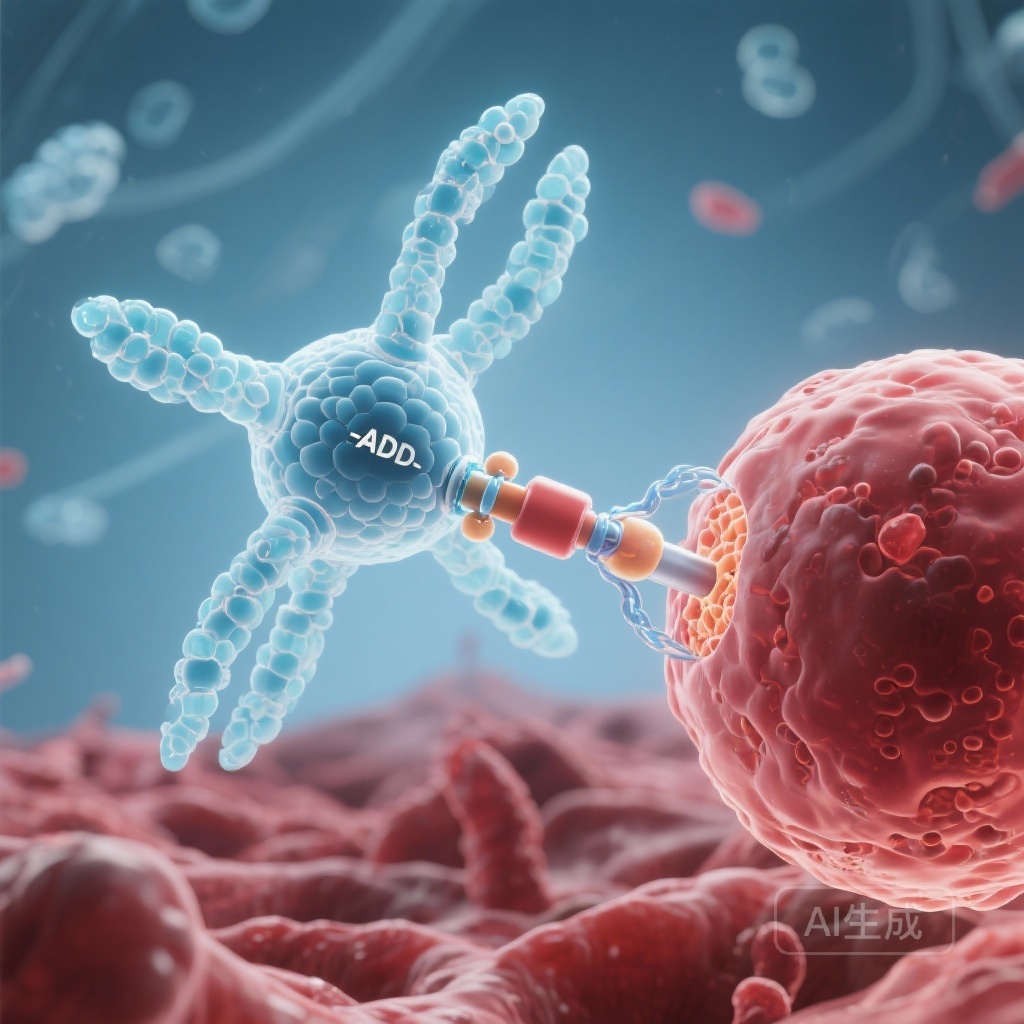
The emergence of antibody-drug conjugates (ADCs) has revolutionized the treatment landscape of TNBC. Sacituzumab govitecan, an ADC targeting Trop-2—a protein highly expressed in TNBC—delivers a potent topoisomerase I inhibitor (SN-38) directly to tumor cells. Following its success in pre-treated metastatic settings, the ASCENT-04/KEYNOTE-D19 trial sought to evaluate whether replacing standard chemotherapy with sacituzumab govitecan in combination with pembrolizumab could improve outcomes for treatment-naive patients with PD-L1-positive advanced TNBC.
Highlights of the ASCENT-04/KEYNOTE-D19 Trial
Significant Improvement in PFS
Combination therapy with sacituzumab govitecan and pembrolizumab reduced the risk of disease progression or death by 35% compared to standard chemotherapy plus pembrolizumab (Hazard Ratio [HR], 0.65; P<0.001).
Extended Duration of Response
Patients responding to the sacituzumab govitecan combination experienced a median duration of response of 16.5 months, nearly doubling the 9.2 months observed in the chemotherapy control group.
Manageable Safety Profile
While grade 3 or higher adverse events were frequent in both groups, the rate of treatment discontinuation due to adverse events was significantly lower in the sacituzumab govitecan arm (12% vs. 31%).
Study Design and Methodology
The ASCENT-04/KEYNOTE-D19 trial was a phase 3, open-label, international, randomized study. It enrolled 443 patients with previously untreated, locally advanced unresectable or metastatic TNBC that was confirmed as PD-L1-positive. PD-L1 positivity was defined according to established clinical criteria (typically a Combined Positive Score [CPS] ≥ 10).
Participants were randomly assigned in a 1:1 ratio to one of two groups:
1. The Experimental Arm: Sacituzumab govitecan (10 mg/kg intravenously on days 1 and 8) plus pembrolizumab (200 mg intravenously on day 1) in 21-day cycles.
2. The Control Arm: Physician’s choice of chemotherapy (paclitaxel, nab-paclitaxel, or gemcitabine plus carboplatin) plus pembrolizumab.
The primary end point was progression-free survival (PFS) as determined by a blinded independent central review (BICR). Secondary end points included overall survival (OS), objective response rate (ORR), duration of response (DOR), and safety. This design aimed to rigorously test the hypothesis that an ADC-immunotherapy combination is superior to a chemo-immunotherapy combination in the front-line setting.
Key Findings and Clinical Efficacy
The results of the trial indicate a robust clinical benefit for the sacituzumab govitecan plus pembrolizumab regimen.
Progression-Free Survival
The median PFS was 11.2 months (95% CI, 9.3 to 16.7) for patients receiving sacituzumab govitecan plus pembrolizumab, compared to 7.8 months (95% CI, 7.3 to 9.3) for those receiving chemotherapy plus pembrolizumab. The hazard ratio of 0.65 (95% CI, 0.51 to 0.84) was statistically significant (P<0.001), representing a clinically meaningful delay in disease progression.
Response Rates and Durability
The objective response rate was higher in the experimental group at 60% (95% CI, 53 to 66) versus 53% (95% CI, 46 to 60) in the control group. More importantly, the responses achieved with the ADC-immunotherapy combination were substantially more durable. The median duration of response was 16.5 months for the experimental arm, suggesting that the synergy between sacituzumab govitecan and pembrolizumab may induce more persistent antitumor activity than traditional chemotherapy-based combinations.
Overall Survival
At the time of this analysis, data for overall survival were immature. However, the early trends in PFS and the durability of response provide an optimistic outlook for the final OS results.
Safety and Tolerability Analysis
Safety is a critical consideration when combining potent cytotoxic agents with immunotherapy. In this trial, the incidence of grade 3 or higher adverse events was similar between the two groups (71% in the experimental arm vs. 70% in the control arm). Common toxicities included neutropenia, diarrhea, and fatigue, which are consistent with the known safety profile of sacituzumab govitecan.
One of the most striking findings in the safety data was the rate of treatment discontinuation. Despite the high rate of high-grade adverse events, only 12% of patients in the sacituzumab govitecan arm discontinued treatment due to adverse events, compared to 31% in the chemotherapy arm. This suggests that the toxicities associated with sacituzumab govitecan may be more predictable or easier to manage in a clinical setting than those associated with various taxane or platinum-based regimens when combined with pembrolizumab.
Expert Commentary: Mechanistic Insights and Clinical Impact
The success of the ASCENT-04/KEYNOTE-D19 trial underscores the potential of ADCs to replace traditional chemotherapy as the preferred partner for immune checkpoint inhibitors. From a mechanistic perspective, sacituzumab govitecan may enhance the efficacy of pembrolizumab through several pathways. The cytotoxic payload, SN-38, induces immunogenic cell death, which can increase tumor antigen presentation and promote the infiltration of effector T cells into the tumor microenvironment. Furthermore, the targeted nature of Trop-2 delivery minimizes systemic exposure to some degree compared to bolus chemotherapy, potentially preserving the immune system’s ability to mount a response.
Clinical experts note that these findings could lead to a shift in the first-line treatment algorithm for PD-L1-positive TNBC. By moving sacituzumab govitecan into the first-line setting, clinicians can offer patients a more effective and potentially better-tolerated option earlier in their disease course. However, the high incidence of grade 3/4 adverse events highlights the necessity for proactive supportive care, particularly for neutropenia and gastrointestinal side effects.
Conclusions and Future Directions
The ASCENT-04/KEYNOTE-D19 trial marks a significant milestone in the treatment of advanced triple-negative breast cancer. Sacituzumab govitecan plus pembrolizumab demonstrated a clear superiority over the previous standard of care in terms of progression-free survival and duration of response. While we await mature overall survival data, the current evidence strongly supports this combination as a new front-line therapeutic standard for patients with PD-L1-positive disease.
Future research will likely focus on whether this combination is effective in PD-L1-negative populations and how it compares to other emerging ADC-immunotherapy pairings. For now, this trial provides a new sense of hope for patients facing one of the most aggressive forms of breast cancer.
Funding and Trial Information
This study was funded by Gilead Sciences. The clinical trial registration number is NCT05382286 (ASCENT-04/KEYNOTE-D19).
References
Tolaney SM, de Azambuja E, Kalinsky K, Loi S, Kim SB, Yam C, Rapoport B, Im SA, Pistilli B, Mchayleh W, Cescon DW, Watanabe J, Bañuelas MAL, Freitas-Junior R, Salvador Bofill J, Afshari M, Gary D, Wang L, Lai C, Schmid P; ASCENT-04/KEYNOTE-D19 Clinical Trial Investigators. Sacituzumab Govitecan plus Pembrolizumab for Advanced Triple-Negative Breast Cancer. N Engl J Med. 2026 Jan 22;394(4):354-366. doi: 10.1056/NEJMoa2508959. PMID: 41564397.