Restrictive Red Blood Cell Transfusion Is Safe for Most Patients — Except in Neurocritical Care (and Some Bleeding Syndromes)

Restrictive Red Blood Cell Transfusion Is Safe for Most Patients — Except in Neurocritical Care (and Some Bleeding Syndromes)

A Cochrane update (2025) of 69 randomized trials found restrictive RBC transfusion thresholds (typically Hb 7–8 g/dL) cut transfusion exposure ~42% without increasing 30‑day mortality overall, but liberal strategies improved long‑term neurological outcomes after brain injury and restrictive thresholds reduced mortality in GI bleeding.
Pathogen-Reduced Red Blood Cells Are Safe in Cardiac Surgery: ReCePI Phase 3 Shows Noninferior AKI Rates

Pathogen-Reduced Red Blood Cells Are Safe in Cardiac Surgery: ReCePI Phase 3 Shows Noninferior AKI Rates

The ReCePI randomized phase 3 trial found that amustaline/glutathione pathogen-reduced red blood cells produced similar rates of acute kidney injury compared with conventional transfusion after cardiac or thoracic-aorta surgery, with few treatment-emergent antibodies and no clinically significant hemolysis.
Lower-Intensity Anticoagulation During Venovenous ECMO: A Pilot RCT Shows Feasibility and a Signal Toward Less Bleeding

Lower-Intensity Anticoagulation During Venovenous ECMO: A Pilot RCT Shows Feasibility and a Signal Toward Less Bleeding

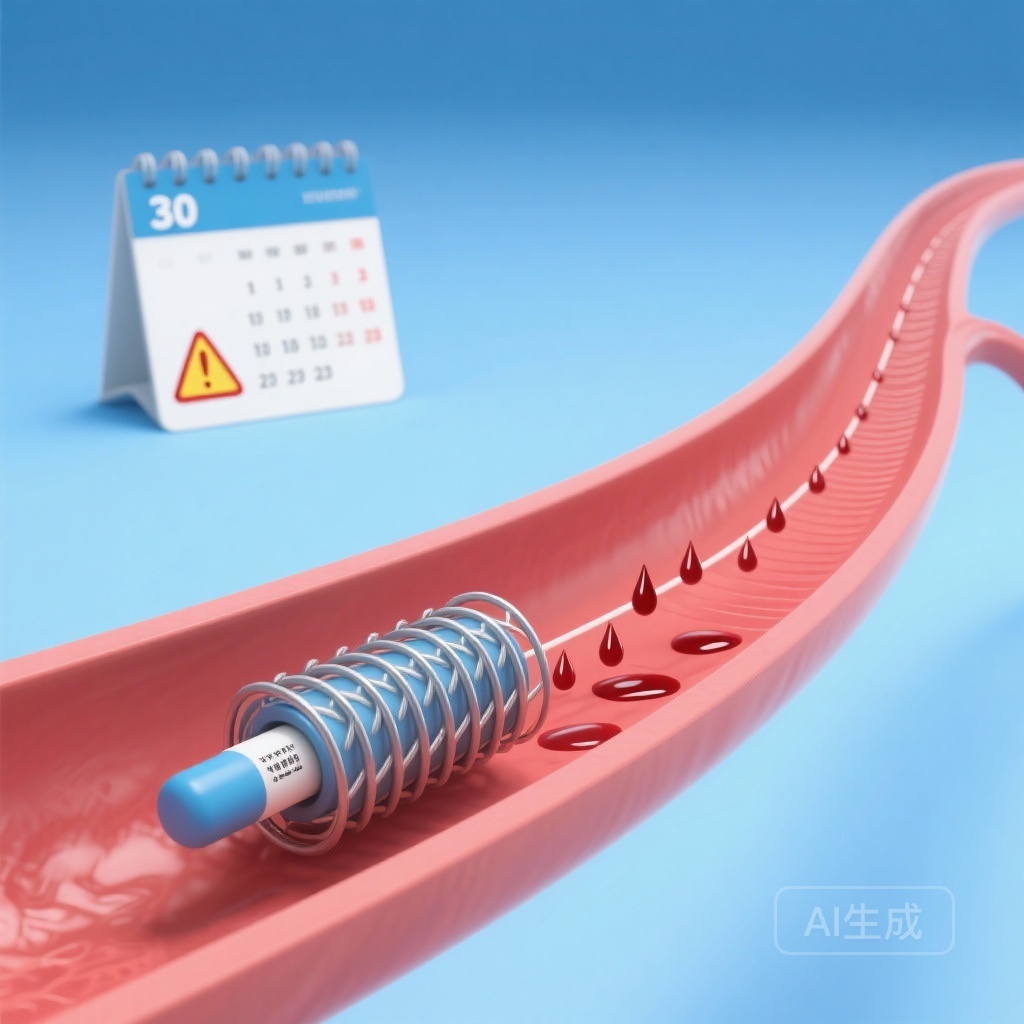
A 3-center randomized pilot trial found that randomized allocation to low- versus moderate-intensity anticoagulation during venovenous ECMO is feasible, with lower major bleeding rates in the low-intensity arm and no clear excess of thromboembolic events—but the study was underpowered for definitive safety or efficacy conclusions.
Combining α and β Radiopharmaceuticals in mCRPC: Interim AlphaBet Results Show Feasible Safety and Promising PSA Activity for 177Lu‑PSMA‑I&T plus 223Ra

Combining α and β Radiopharmaceuticals in mCRPC: Interim AlphaBet Results Show Feasible Safety and Promising PSA Activity for 177Lu‑PSMA‑I&T plus 223Ra

Interim data from the AlphaBet phase 1/2 trial show that combined 177Lu‑PSMA‑I&T and radium‑223 is feasible, with no dose‑limiting toxicities, a recommended radium‑223 dose of 55.0 kBq/kg, and a PSA50 rate of 55% (95% CI 36–72). Hematologic grade ≥3 adverse events were uncommon.
Predicting Early Acute Kidney Injury After Liver Transplantation: A Clinically Useful 48‑Hour Risk Model

Predicting Early Acute Kidney Injury After Liver Transplantation: A Clinically Useful 48‑Hour Risk Model

A single-center study developed and internally validated a 48‑hour post‑liver transplant AKI risk model using five readily available preoperative and intraoperative variables (HE, alcohol cirrhosis, ALBI ≥ −1.78, operation time ≥560 min, and FFP transfusion). The model showed good discrimination (AUC ≈0.76).
肝移植後の早期急性腎障害の予測:48時間リスクモデル

肝移植後の早期急性腎障害の予測:48時間リスクモデル

単施設研究で、術前および術中における5つの容易に入手可能な変数(HE、アルコール性肝硬変、ALBI ≥ −1.78、手術時間 ≥560分、FFP輸血)を使用して、肝移植後の48時間以内の急性腎障害(AKI)リスクモデルを開発し、内部検証を行った。このモデルは優れた識別力(AUC 約0.76)を示した。
Mitochondrial Calcium Deficit Links Structural Remodeling to Atrial Fibrillation — and an Old Cholesterol Drug, Ezetimibe, Shows Unexpected Anti‑AF Potential

Mitochondrial Calcium Deficit Links Structural Remodeling to Atrial Fibrillation — and an Old Cholesterol Drug, Ezetimibe, Shows Unexpected Anti‑AF Potential

New human tissue and cellular data implicate impaired mitochondrial Ca2+ uptake, structural uncoupling of sarcoplasmic reticulum–mitochondria contacts, and oxidative stress in atrial fibrillation (AF); ezetimibe restored mitochondrial Ca2+ handling and reduced AF burden in exploratory analyses.
APOE ε4, Age and Sex Converge to Disturb Anterior Olfactory Nucleus Physiology: Electrophysiologic Evidence for Early Alzheimer’s Vulnerability

APOE ε4, Age and Sex Converge to Disturb Anterior Olfactory Nucleus Physiology: Electrophysiologic Evidence for Early Alzheimer’s Vulnerability

In vivo awake recordings in transgenic mice show APOE ε4 reduces neuronal excitability in the anterior olfactory nucleus (AON); adult females are more excitable than males (a sex difference lost with aging), while aging amplifies network oscillatory power — revealing interactions that may underlie early olfactory deficits in Alzheimer’s disease.