New research highlights links between gut microbiota composition and gestational diabetes, offering potential for early detection and personalized treatment strategies.
The age at which a woman experiences her first period could signal potential long-term health risks, including cardiometabolic and reproductive issues. A recent study sheds light on these connections and highlights the need for tailored healthcare strategies.
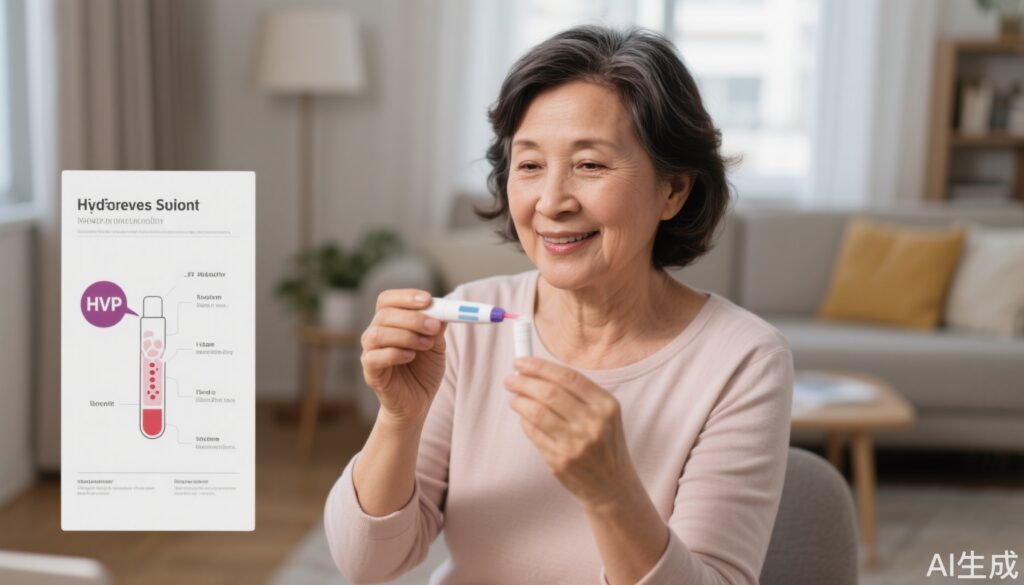
Self-collection devices for cervical cancer screening offer a safe, effective, and preferred alternative to traditional methods, increasing accessibility and compliance.
Mail-in HPV self-collection kits significantly increase cervical cancer screening participation, offering a promising tool to enhance early detection and preventive care.
Recent research suggests that a 2-dose HPV vaccine regimen offers similar long-term protection against HPV-16 and HPV-18 as the 2+1-dose regimen, challenging the necessity of booster doses.
A recent study questions the specificity of USPSTF guidelines for preeclampsia risk assessment, highlighting challenges in identifying patients truly at high risk and ensuring targeted aspirin prophylaxis.
Global variations in placenta accreta spectrum (PAS) management guidelines highlight the need for improved standardization and research, especially in resource-limited settings.
A new FDA panel reignites debate over the safety and efficacy of antidepressant use during pregnancy, with experts weighing in on emerging research and practice recommendations.
Maternal depression significantly affects the quality of parenting, impairing mother-child bonding and other key behaviors. This article explores recent research, implications, and interventions.
New research highlights oxytocin's potential in reducing mood disturbances caused by sleep disruptions during hormonal transitions like postpartum and menopause.
Leading experts call on the FDA to update boxed warnings on menopausal hormone therapies, arguing current labels are outdated and deter women from effective, safe treatments.
A new study highlights the psychosocial factors contributing to depression in women with premature ovarian insufficiency, emphasizing the need for holistic care.
Research highlights that distressed births can lead to long-term physical and mental health issues, prompting the need for enhanced prenatal care and policy interventions.
DM199 has demonstrated safety and efficacy in reducing blood pressure among preeclampsia patients during a Phase 2 trial, offering hope for improved maternal and fetal outcomes.
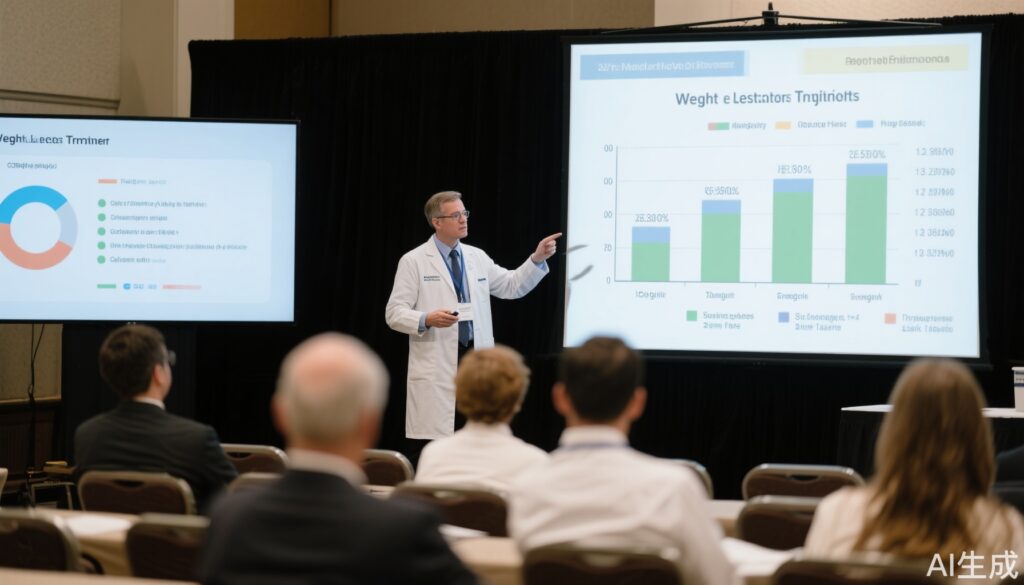
A new study reveals combining tirzepatide and hormone therapy significantly boosts weight loss in postmenopausal women, offering a promising approach to managing obesity-related health risks.
A study published in Pediatrics reveals low rates of hepatitis C treatment among children, highlighting significant racial disparities and access challenges.
Research shows that a low FODMAP diet can significantly alleviate gastrointestinal symptoms in women with endometriosis, enhancing their quality of life.