Highlights
Wearable Transcutaneous Electrical Acupoint Stimulation (TEAS) at the PC6 (Neiguan) point achieved a 77.6% 2-hour remission rate for moderate to severe PONV, significantly higher than the 55.2% observed with 10 mg intravenous metoclopramide.
The 24-hour relapse rate was dramatically lower in the TEAS group (12.2%) compared to the metoclopramide group (56.3%), suggesting a more sustained therapeutic effect.
TEAS demonstrated an exceptional safety profile with zero reported adverse events, offering a viable non-pharmacological alternative for patients at high risk of medication side effects.
The results support the integration of wearable neuromodulation devices into standard postanesthesia recovery protocols to improve patient comfort and reduce the burden of refractory PONV.
The Persistent Challenge of Postoperative Nausea and Vomiting
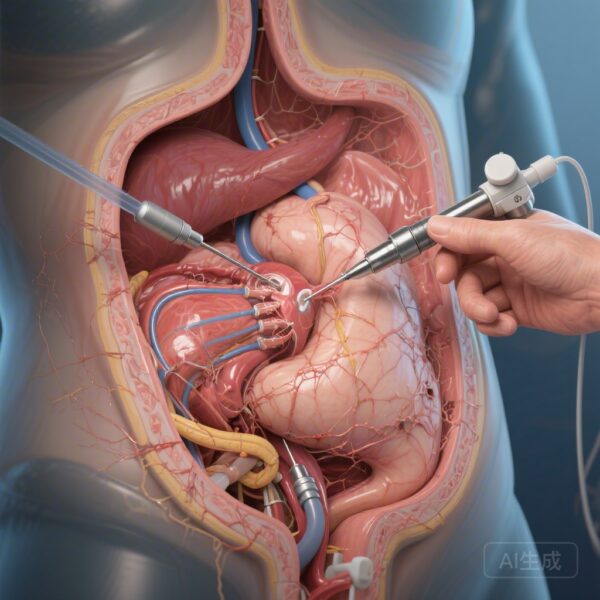
Postoperative nausea and vomiting (PONV) remain among the most distressing complications for patients undergoing general anesthesia, often cited as more unpleasant than postoperative pain. Despite advances in multimodal prophylactic strategies, including the use of 5-HT3 receptor antagonists and corticosteroids, a significant portion of patients—particularly high-risk cohorts—still develop moderate to severe breakthrough symptoms. These symptoms not only impair patient satisfaction but also delay discharge, increase the risk of aspiration, and can lead to surgical site complications such as wound dehiscence in cervical or abdominal surgeries.
The management of established PONV is often more challenging than its prevention. Traditional rescue pharmacotherapy frequently relies on dopamine antagonists like metoclopramide. However, metoclopramide’s efficacy in the rescue setting is sometimes limited, and its use is associated with potential side effects, including sedation, extrapyramidal symptoms, and restlessness. In this context, there is a clear clinical need for effective, safe, and non-pharmacological interventions. Transcutaneous Electrical Acupoint Stimulation (TEAS), a non-invasive evolution of acupuncture, has emerged as a promising candidate, particularly when targeting the PC6 (Neiguan) acupoint, which is traditionally linked to antiemetic effects.
Study Design and Methodology
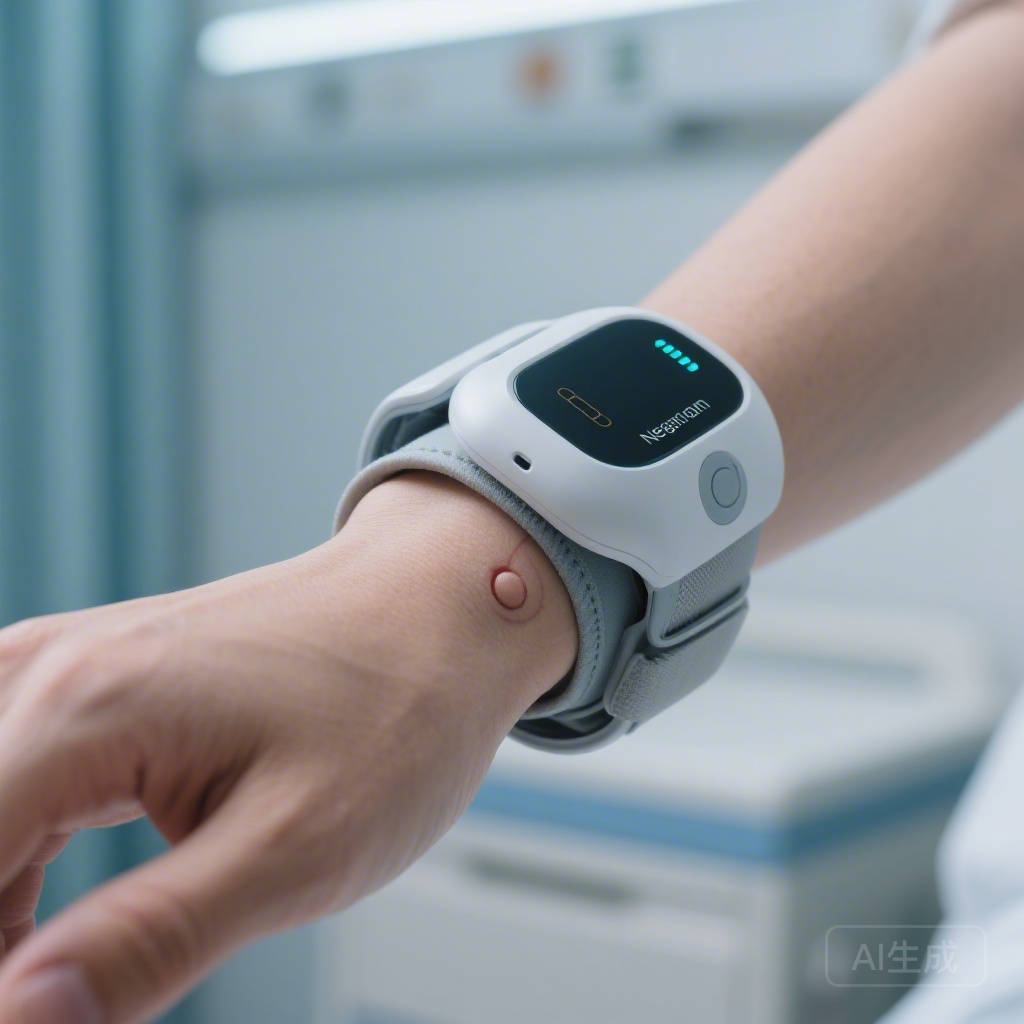
This randomized, double-dummy, patient-blinded and observer-blinded, active-controlled clinical trial was designed to rigorously compare the efficacy of a wearable TEAS device (the EmeTerm wristband) against the standard-of-care rescue dose of metoclopramide. The study was conducted across four major medical centers in Shanghai and Tianjin, China, involving 232 female patients aged 25 to 55 years.
Patient Selection and Risk Profile
The study focused exclusively on female patients undergoing thyroidectomy or anterior cervical surgery. This population represents a high-risk group for PONV due to several factors: female sex is a primary independent risk factor in the Apfel score, and surgeries involving the neck often stimulate vagal pathways that can trigger emetic responses. Inclusion required patients to have developed moderate to severe PONV, defined as a Numerical Rating Score (NRS) of 4 or higher, despite any standard prophylactic measures taken during surgery.
The Intervention Protocol
Participants were randomized 1:1 into two groups:
1. The TEAS Group: Patients received active electrical stimulation via the EmeTerm wearable device applied to the PC6 acupoint for 2 hours. To maintain blinding, they also received a placebo saline injection (double-dummy).
2. The Control Group: Patients received an identical-looking but inactive TEAS device (sham stimulator) and a 10 mg intravenous dose of metoclopramide.
The primary outcome was the remission rate at 2 hours post-intervention, defined as an NRS score of 3 or less. A unique feature of the trial design was the rerandomization protocol: patients who did not achieve relief (NRS ≥4) at the 2-hour mark were crossed over to the other intervention to ensure all patients received active care while providing additional data on rescue efficacy.
Key Findings: Rapid Remission and Sustained Efficacy
The results of the per-protocol analysis revealed a clear and statistically significant advantage for the wearable TEAS device over the traditional pharmacological approach.
Primary Outcome: 2-Hour Remission
At the primary endpoint of 2 hours, 77.6% (95% CI, 69.2%-84.2%) of the patients in the TEAS group achieved symptomatic remission (NRS ≤3). In contrast, only 55.2% (95% CI, 46.1%-63.9%) of the patients in the metoclopramide group reached the same threshold. The difference was statistically significant (P < .001), indicating that TEAS was more effective at providing rapid relief for acute, moderate-to-severe symptoms.
Secondary Outcome: 24-Hour Relapse Rates
Perhaps the most striking finding was the difference in long-term stability. Among the patients who initially achieved remission, the 24-hour relapse rate in the TEAS group was only 12.2% (95% CI, 7.0%-20.6%). The metoclopramide group, however, saw a relapse rate of 56.3% (95% CI, 44.1%-67.7%). This suggesting that the neuromodulatory effect of TEAS may provide a more durable stabilization of the emetic center compared to the transient pharmacokinetics of a single dose of metoclopramide.
Safety and Tolerability
Safety is a paramount concern in the postoperative setting, where patients are already recovering from the effects of anesthesia and surgery. The study reported zero adverse events in either group. For the TEAS group, this confirms the safety of the EmeTerm device and its lack of systemic side effects, which is a significant advantage over many antiemetic medications that can cause drowsiness or cardiovascular concerns.
Clinical Implications and Mechanistic Insights
The superiority of TEAS in this trial challenges the traditional reliance on metoclopramide as a first-line rescue agent for PONV. For clinicians, these findings suggest that wearable TEAS could be integrated into the Post-Anesthesia Care Unit (PACU) workflow as a primary intervention, especially for patients who have already failed pharmacological prophylaxis.
Biological Plausibility
The efficacy of PC6 stimulation is supported by several proposed mechanisms. The PC6 acupoint is located over the median nerve. Stimulation of this nerve is thought to send afferent signals to the nucleus tractus solitarius (NTS) and the dorsal motor nucleus of the vagus nerve. This modulation can influence the release of neurotransmitters such as serotonin (5-HT), dopamine, and endorphins within the emetic center of the brainstem. Unlike systemic drugs that must reach a specific plasma concentration and then undergo metabolism, TEAS provides continuous, targeted neuromodulation that can be adjusted in real-time.
Expert Commentary
While the results are highly encouraging, experts note that the study population was specific (female, thyroid/cervical surgery). While these are high-risk patients, further studies are needed to generalize these findings to broader populations, such as pediatric patients or those undergoing major abdominal or orthopedic procedures. Additionally, the use of a “double-dummy” design is a methodological strength that minimizes the placebo effect, which is notoriously high in nausea research. The fact that TEAS outperformed a known active drug (metoclopramide) rather than just a placebo provides high-level evidence for its clinical utility.
Conclusion: A New Standard for Non-Pharmacological Care?
In conclusion, this randomized clinical trial demonstrates that wearable TEAS is not just a complementary therapy but a superior alternative to metoclopramide for the management of moderate to severe PONV. With higher remission rates, significantly lower relapse rates, and an impeccable safety profile, wearable TEAS devices represent a significant advancement in postanesthesia recovery. As healthcare systems move toward more patient-centered and opioid-sparing protocols, the adoption of non-pharmacological neuromodulation is likely to become a cornerstone of surgical care.
Funding and Clinical Registration
This study was supported by grants from the National Natural Science Foundation of China and local health commissions in Shanghai and Tianjin. The trial was registered with the Chinese Clinical Trial Registry (Identifier: ChiCTR2400084329).
References
1. Zheng DY, Ding P, Gong M, et al. Transcutaneous Electrical Acupoint Stimulation vs Metoclopramide for Moderate to Severe Postoperative Nausea and Vomiting: A Randomized Clinical Trial. JAMA Surgery. 2026;161(3):268-273.
2. Apfel CC, Heidrich FM, Jukar-Rao S, et al. Evidence-based analysis of risk factors for postoperative nausea and vomiting. British Journal of Anaesthesia. 2012;109(5):742-753.
3. Gan TJ, Belani KG, Bergese S, et al. Fourth Consensus Guidelines for the Management of Postoperative Nausea and Vomiting. Anesthesia & Analgesia. 2020;131(2):411-448.
4. Vickers AJ, Vertosick EA, Lewith G, et al. Acupuncture for Chronic Pain: Update of an Individual Patient Data Meta-Analysis. The Journal of Pain. 2018;19(5):455-474.