Superior Efficacy of Wearable TEAS Over Pharmacotherapy in Managing Postoperative Nausea and Vomiting
Highlights
Wearable transcutaneous electrical acupoint stimulation (TEAS) achieved a 77.6% 2-hour remission rate for moderate to severe PONV, significantly higher than the 55.2% observed with intravenous metoclopramide.
The 24-hour relapse rate was remarkably lower in the TEAS group (12.2%) compared to the metoclopramide group (56.3%), suggesting a more sustained therapeutic effect.
TEAS represents a safe, non-pharmacological alternative with zero reported adverse events, aligning with modern Enhanced Recovery After Surgery (ERAS) protocols.
The Persistent Challenge of Postoperative Nausea and Vomiting
Postoperative nausea and vomiting (PONV) remains one of the most distressing complications for patients undergoing surgery, often cited as more unpleasant than postoperative pain itself. For clinicians, PONV is not merely a matter of patient comfort; it is a significant barrier to recovery that can lead to surgical site complications, dehydration, electrolyte imbalances, and prolonged hospital stays. Despite the widespread use of prophylactic antiemetics, a substantial number of patients—particularly high-risk cohorts such as women undergoing thyroid or cervical surgery—still develop moderate to severe breakthrough symptoms.
Current pharmacological management often relies on dopamine antagonists like metoclopramide. However, the efficacy of metoclopramide at standard doses has been questioned in recent literature, and its side-effect profile, including potential extrapyramidal symptoms, remains a concern. Consequently, there is an urgent clinical need for effective, non-pharmacological interventions that can serve as either primary or rescue therapy for PONV.
Study Design: A Head-to-Head Comparison
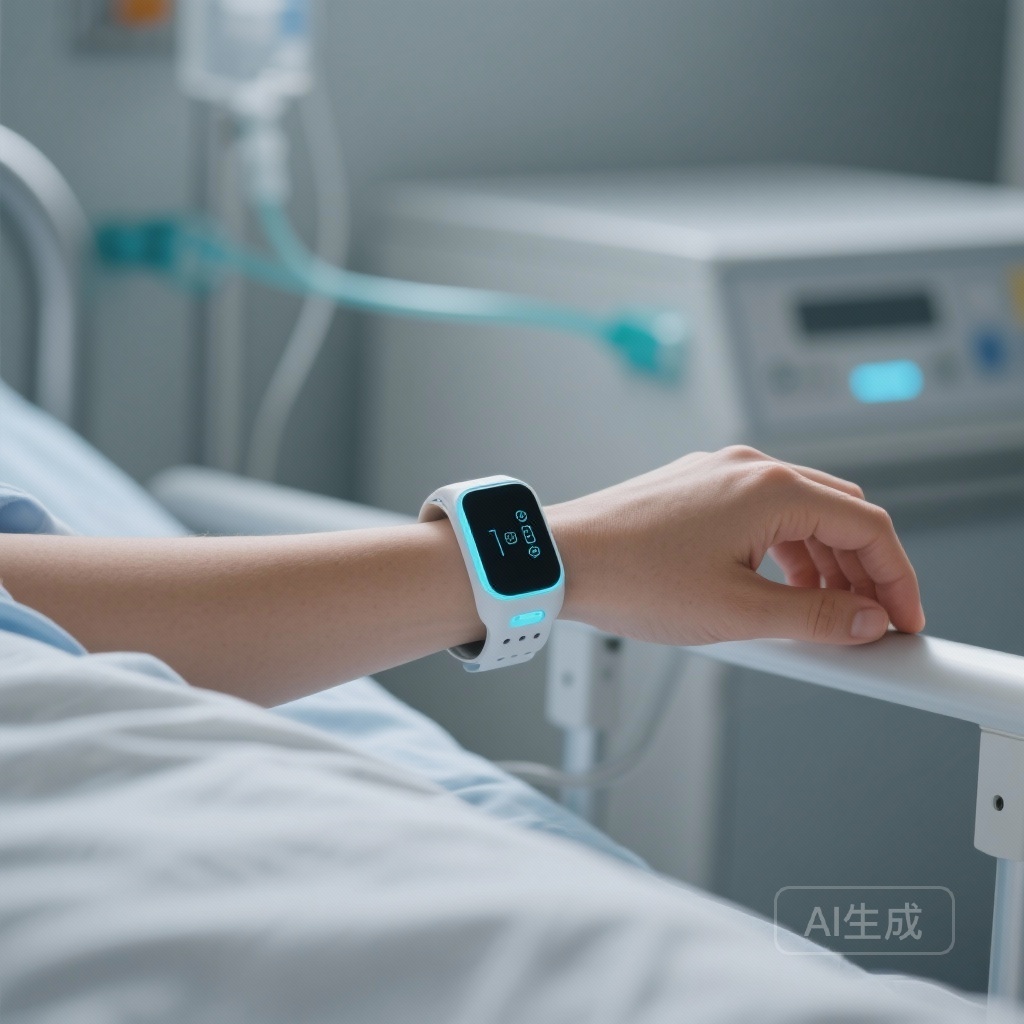
In a randomized, double-dummy, active-controlled clinical trial conducted across four major hospitals in Shanghai and Tianjin, China, researchers evaluated the efficacy of a wearable TEAS device (the EmeTerm wristband) against the standard-of-care metoclopramide. The study, published in JAMA Surgery, focused on a high-risk population: female patients aged 25 to 55 years undergoing thyroidectomy or anterior cervical surgery under general anesthesia.
Participants who developed moderate to severe PONV, defined as a Numerical Rating Score (NRS) of 4 or higher, were randomized 1:1. The TEAS group received active electrical stimulation at the PC6 (Neiguan) acupoint for 2 hours combined with a saline placebo injection. The control group received an identical but inactive TEAS device and a 10 mg intravenous dose of metoclopramide. The primary endpoint was the remission rate at 2 hours, defined as a reduction in NRS to 3 or lower.
Results: Superior Remission and Sustained Relief
The trial enrolled 232 patients, evenly distributed between the two arms. The results demonstrated a clear and statistically significant advantage for the TEAS intervention. At the 2-hour mark, 77.6% of patients in the TEAS group achieved symptom remission, compared to only 55.2% in the metoclopramide group (P < .001). This finding suggests that TEAS provides more robust acute relief for breakthrough PONV than a standard dose of metoclopramide.
Perhaps more striking was the difference in 24-hour relapse rates. Patients who initially achieved relief in the TEAS group were far less likely to experience a recurrence of symptoms, with a relapse rate of only 12.2%. In contrast, more than half of the patients in the metoclopramide group (56.3%) experienced a relapse within 24 hours (P < .001). This sustained effect highlights the potential of TEAS to not only treat but also stabilize the patient's condition throughout the critical early recovery phase.
From a safety perspective, the trial reported no adverse events in either group. This is particularly relevant for TEAS, as it avoids the systemic side effects associated with many antiemetic medications, such as sedation, dizziness, or cardiac arrhythmias.
Mechanistic Insights: Why TEAS Works
The efficacy of TEAS at the PC6 (Neiguan) point is grounded in both traditional Chinese medicine and modern neurophysiology. The PC6 point is located approximately two inches above the wrist crease, between the tendons of the palmaris longus and flexor carpi radialis. Stimulation of this area is believed to modulate the autonomic nervous system and influence the vomiting center in the medulla oblongata and the chemoreceptor trigger zone (CTZ).
Modern research suggests that electrical stimulation of the median nerve at the PC6 point may inhibit the transmission of emetic signals and stimulate the release of endogenous opioids and neurotransmitters like serotonin and dopamine in a way that stabilizes the emetic response. By using a wearable device, the stimulation can be delivered consistently and non-invasively, providing a continuous therapeutic input that pharmacokinetics of a single bolus injection cannot match.
Clinical Implications for Perioperative Care
The findings of this RCT have significant implications for anesthesiologists and surgical teams. As the medical community moves toward opioid-sparing and multi-modal recovery strategies, TEAS offers a compelling tool for the antiemetic armamentarium. Its superior performance over metoclopramide suggests it could be considered a first-line rescue therapy for moderate to severe PONV, particularly in patients where further pharmacological intervention is contraindicated or undesirable.
Furthermore, the wearable nature of the device allows for patient-controlled therapy, which can enhance the patient’s sense of agency during recovery. In an era of value-based care, reducing relapse rates also has the potential to decrease the nursing workload and reduce the need for additional rescue medications, contributing to overall hospital efficiency.
Limitations and Future Research
While the results are robust, the study focused exclusively on female patients undergoing specific types of surgery (thyroid and cervical). Future research should investigate whether these findings are generalizable to male patients, different age groups, and a broader range of surgical procedures. Additionally, comparing TEAS to other gold-standard antiemetics, such as 5-HT3 receptor antagonists (e.g., ondansetron) or neurokinin-1 receptor antagonists, would further clarify its place in clinical guidelines.
Conclusion
The trial by Zheng et al. provides high-quality evidence that wearable TEAS is a highly effective, safe, and superior alternative to metoclopramide for the management of moderate to severe PONV. By significantly improving remission rates and reducing the likelihood of relapse, TEAS stands to improve the postoperative experience for thousands of patients and offers a paradigm shift in how we approach the “big little problem” of anesthesia recovery.
Funding and Trial Registration
This study was registered with the Chinese Clinical Trial Registry (Identifier: ChiCTR2400084329). Funding was provided by institutional grants focused on clinical research and innovation in perioperative medicine.
References
Zheng DY, Ding P, Gong M, et al. Transcutaneous Electrical Acupoint Stimulation vs Metoclopramide for Moderate to Severe Postoperative Nausea and Vomiting: A Randomized Clinical Trial. JAMA Surg. Published online January 28, 2026. doi:10.1001/jamasurg.2025.6394