Introduction: The Challenge of Ovarian Aging
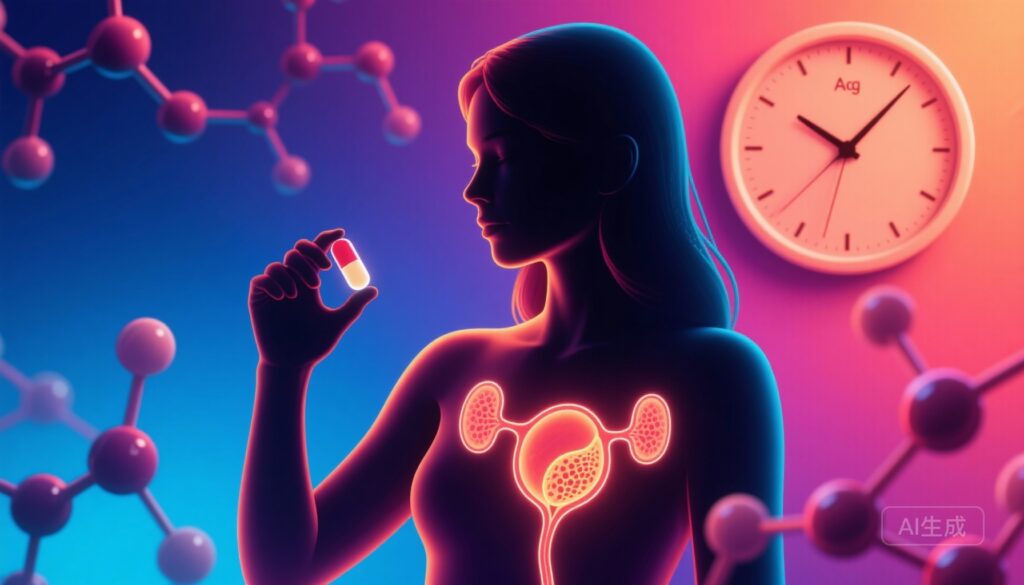
Time inevitably takes a toll on our bodies, and for women, one of the earliest signs of aging emerges in the ovaries. Typically beginning around the age of 30, ovarian function gradually declines, marked not only by reduced fertility but also by hormonal imbalances, irregular menstrual cycles, and an increased risk of chronic conditions such as cardiovascular diseases. The biological process that drives this decline remains a critical focus in reproductive health, with oxidative stress identified as a major culprit accelerating ovarian aging.
Could a simple, widely available nutrient hold the key to slowing this process? Emerging research published in Cell Stem Cell has unveiled that vitamin C, a familiar nutrient, may play a pivotal role in preserving ovarian health and function over time. This groundbreaking study conducted by a team from Capital Medical University explores the effect of long-term oral vitamin C supplementation on ovarian aging in primates, with findings that could revolutionize approaches to female reproductive longevity.
The Biology Behind Ovarian Aging
The ovaries are central to female reproductive health, responsible for producing eggs and regulating hormones essential for overall wellness. Unlike other organs, ovaries begin to age early; by around 30 years of age, the quantity and quality of ovarian follicles diminish noticeably. This decline not only impacts fertility but also affects hormonal balance, leading to symptoms and diseases linked to reproductive aging.
A key driver of ovarian aging is oxidative stress. This refers to an imbalance where harmful reactive oxygen species (free radicals) overwhelm the body’s natural antioxidant defenses, leading to cellular damage. In ovaries, accumulated oxidative damage can impair follicle health and accelerate atresia (follicle loss), culminating in functional decline.
Scientific Evidence: Long-Term Vitamin C Supplementation Protects Ovaries
Capital Medical University researchers investigated the impact of vitamin C on ovarian aging using a well-designed primate model involving middle-aged female crab-eating macaques (aged 12-16 years, equivalent to 40-53 human years). Over 3.3 years—a period comparable to a decade in humans—one group received daily oral vitamin C at 30 mg/kg, while a control group did not.
Tissue-Level Benefits
The ovaries of vitamin C-treated macaques displayed multiple youthful characteristics compared to controls:
– Enhanced antioxidant defenses: Proteins like GPX1 and IDH1, crucial for neutralizing oxidative stress, were significantly upregulated.
– Reduced oxidative damage: Markers of DNA and lipid oxidation (8-OHdG and 4-HNE) decreased notably; iron accumulation—known to catalyze damaging reactions—was also diminished.
– Decreased fibrosis: Age-related fibrotic tissue deposition in the ovarian stroma eased with vitamin C administration.
– Preserved follicle reserve: Numbers of secondary and antral follicles increased, with early-stage follicles showing a positive trend.
– Improved oocyte quality: Vitamin C promoted mitochondrial function within oocytes, critical for energy production and developmental potential.
Cellular and Molecular Age Reversal
Employing cutting-edge single-cell transcriptomics and machine learning, researchers profiled nearly 100,000 ovarian cells to build a cellular aging clock. Vitamin C reduced the biological age of ovarian somatic cells by an average of 5.66 years and oocytes by 1.35 years. Notably, granulosa cells, endothelial cells, and stromal cells exhibited significant rejuvenation, with age reductions nearing 7 to 8 years.
Mechanisms: Activating the NRF2 Pathway
Further gene expression analyses revealed that vitamin C counteracted aging at the molecular level by:
– Suppressing inflammatory and cell death-related genes elevated in aging ovaries
– Upregulating DNA repair and chromatin remodeling genes
– Increasing antioxidant signaling and reducing senescence-associated secretory phenotypes (SASP), apoptosis, and inflammation
A critical discovery was vitamin C’s activation of the NRF2 pathway, a master regulator of cellular antioxidant defense. Enhanced levels of phosphorylated NRF2 correlated with decreased aging markers and inflammation in ovarian tissue. In vitro experiments with human ovarian cells confirmed that NRF2 is indispensable for vitamin C’s protective effects; inhibiting NRF2 abolished benefits, while enhancing it mimicked vitamin C intervention.
Implications for Women’s Health
These findings illuminate a promising and accessible avenue for safeguarding ovarian health. While further clinical validation is essential, vitamin C supplementation emerges as a potential strategy to:
– Delay ovarian function decline and extend reproductive lifespan
– Reduce risks associated with hormonal imbalances and age-related ovarian diseases
– Improve oocyte quality, potentially benefiting fertility treatments
Case Study: Emily’s Journey
Emily, a 42-year-old woman considering pregnancy, faces concerns around her decreasing ovarian reserve and egg quality. After consulting her reproductive endocrinologist, she incorporates an appropriate dose of vitamin C into her routine, alongside healthy lifestyle changes. Over time, monitoring indicates maintenance of better-than-expected ovarian function, providing hope for improved fertility outcomes. Emily’s case illustrates the practical potential of vitamin C as a supportive intervention.
Conclusions and Future Directions
The study by Capital Medical University et al. provides compelling evidence that long-term vitamin C intake can significantly delay ovarian aging by enhancing antioxidant defenses, reducing fibrosis and oxidative damage, and most importantly, reversing biological aging at the cellular level through NRF2 activation. This research opens new preventive and therapeutic prospects in female reproductive health.
Future clinical trials in humans will be critical to establish optimal dosing, safety, and efficacy, but vitamin C represents an affordable, widely available, and well-tolerated option that could form part of targeted interventions against ovarian aging and infertility.
As science continues to unravel the complex biology of ovarian aging, nutrient-based strategies like vitamin C supplementation may empower women to protect their reproductive health more effectively than ever before.
References
Jing, Y., Lu, H., Li, J., He, Z., Zhao, L., Zhang, C., Huang, Z., Liu, L., Sun, S., Ma, S., Rodriguez Esteban, C., Fu, X., Zhao, G., Izpisua Belmonte, J. C., Zhang, W., Qu, J., Wang, S., & Liu, G.-H. (2025). Vitamin C conveys geroprotection on primate ovaries. Cell Stem Cell, 32, 1–18. https://doi.org/10.1016/j.stem.2025.09.008