Highlights of the Study
- Tividenofusp alfa achieved a 91% reduction in cerebrospinal fluid (CSF) heparan sulfate levels, reaching levels comparable to unaffected children.
- Adaptive behavior, measured by the Vineland Adaptive Behavior Scales, remained stable or improved over a 157-week extension period.
- The engineered transferrin receptor-binding Fc domain successfully facilitated enzyme delivery across the blood-brain barrier.
- While infusion-related reactions were common, the safety profile supported long-term administration in pediatric patients.
Background: The Challenge of the Blood-Brain Barrier in MPS II
Mucopolysaccharidosis type II (MPS II), also known as Hunter syndrome, is a rare X-linked lysosomal storage disorder caused by a deficiency in the enzyme iduronate-2-sulfatase (IDS). This deficiency leads to the systemic accumulation of glycosaminoglycans (GAGs), specifically heparan sulfate and dermatan sulfate. While systemic enzyme replacement therapy (ERT) has been available for nearly two decades, its efficacy is severely limited by its inability to cross the blood-brain barrier (BBB). Consequently, the progressive neurocognitive decline—a hallmark of the severe neuronopathic form of MPS II—remains largely unaddressed by standard intravenous treatments.
The neurological manifestations of MPS II include developmental delay, aggressive behavior, and loss of motor function, leading to significant morbidity and early mortality. The accumulation of GAGs within the central nervous system (CNS) triggers a cascade of cellular dysfunction, including lysosomal distension, impaired autophagy, and chronic neuroinflammation. Developing a therapy that can address both the peripheral (organomegaly, joint stiffness, cardiopulmonary issues) and CNS components of the disease is the primary goal of lysosomal storage disorder research. Tividenofusp alfa represents a novel pharmacological approach, utilizing an engineered protein transport vehicle to bypass the BBB.
Study Design and Methodology
The study was a phase 1-2, open-label trial designed to assess the safety, pharmacokinetics, and clinical activity of tividenofusp alfa in male participants aged 18 years or younger with MPS II. The study structure consisted of a 24-week primary analysis period, an 80-week safety extension, and a subsequent 157-week open-label extension to evaluate long-term durability and safety.
Intervention and Mechanism
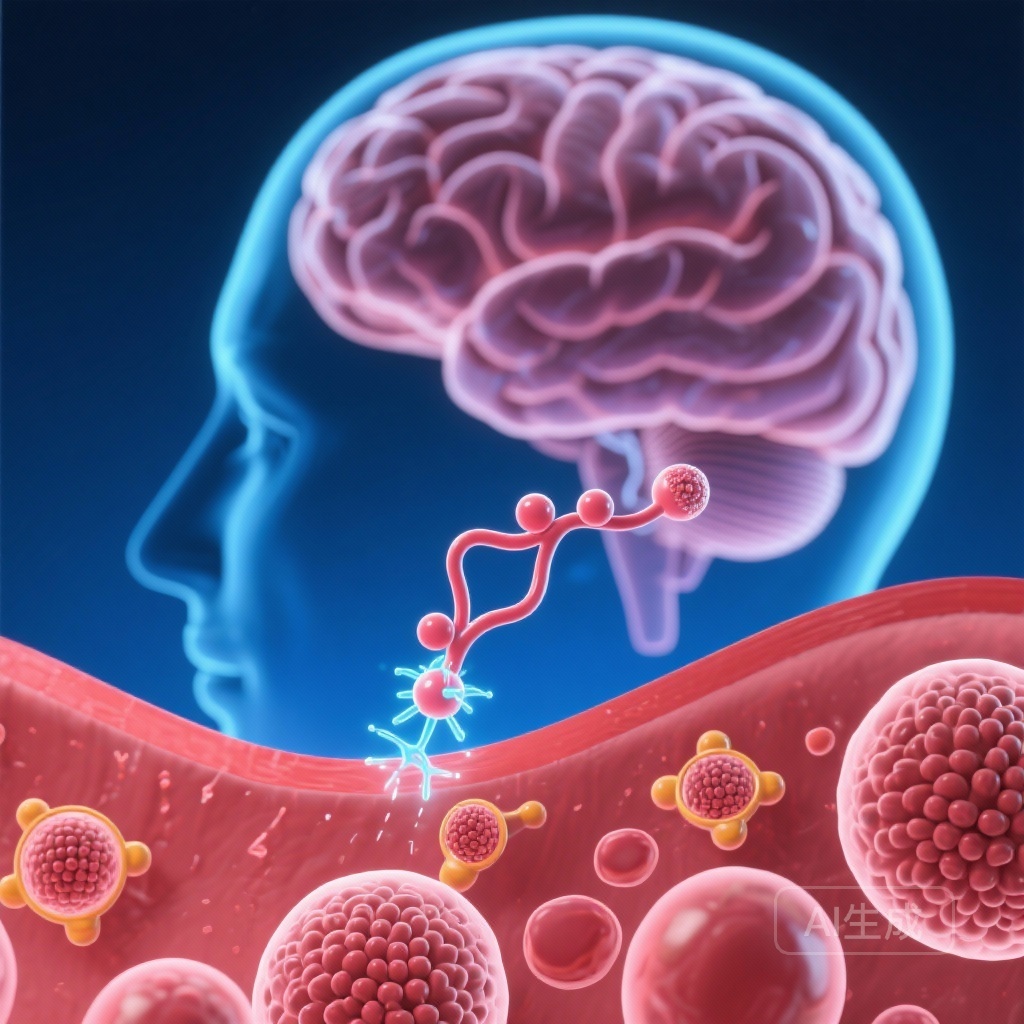
Tividenofusp alfa (formerly DNL310) consists of iduronate-2-sulfatase fused to an engineered Fc domain that binds to the transferrin receptor (TfR). This receptor is highly expressed on the brain endothelial cells that form the blood-brain barrier. By binding to TfR, the enzyme is transported across the barrier via receptor-mediated transcytosis. This Trojan horse approach allows the enzyme to reach the brain parenchyma and enter neurons and glial cells, where it can perform its degradative function within the lysosomes.
Endpoints and Assessments
The primary objective was safety and tolerability. Secondary objectives focused on pharmacodynamic biomarkers and clinical outcomes:
1. Biomarkers: Concentration of heparan sulfate in the CSF and urine.
2. Neurodevelopmental Function: Measured using the Vineland Adaptive Behavior Scales (VABS-III), which assess communication, daily living skills, and socialization.
3. Somatic Effects: Assessment of liver volume via imaging to ensure peripheral efficacy.
Key Findings: Biomarker and Clinical Outcomes
The trial enrolled 47 male participants. The longitudinal data provide compelling evidence of both biochemical and clinical stabilization, marking a significant departure from the natural history of the disease.
Dramatic Reduction in Heparan Sulfate
At the 24-week mark, CSF heparan sulfate levels showed a mean reduction of 91% from baseline. Similarly, urinary heparan sulfate levels decreased by 88%. Perhaps most significantly, these reductions were maintained through week 153. In many participants, the levels of heparan sulfate in the CSF were reduced to within the range observed in unaffected, healthy children. This biochemical normalization suggests that the Enzyme Transport Vehicle (ETV) platform is highly effective at delivering functional IDS to the CNS in concentrations sufficient to clear years of accumulated substrate.
Stabilization of Adaptive Behavior
A critical challenge in MPS II trials is demonstrating clinical benefit in neurocognition. In this study, scores on the Vineland Adaptive Behavior Scales appeared to stabilize or improve over the nearly three-year follow-up period. Given that untreated neuronopathic MPS II typically involves a relentless decline in these scores, stabilization is a clinically meaningful achievement. It suggests that clearing heparan sulfate from the CSF correlates with preserved neurological function, although the open-label nature of the study requires that these results be confirmed in larger cohorts.
Somatic Improvements
Beyond the CNS, tividenofusp alfa addressed peripheral disease markers effectively. Liver volumes, which are often enlarged in MPS II due to GAG accumulation, either normalized or remained within normal limits throughout the study. This confirms that the fusion protein retains its systemic efficacy alongside its newly acquired CNS-penetrant capabilities, potentially allowing it to replace standard ERT entirely.
Safety and Tolerability Profile
Safety was the primary endpoint, and the results highlight the complexities of administering engineered fusion proteins in a pediatric population.
Infusion-Related Reactions (IRRs)
All 47 participants reported at least one treatment-emergent adverse event. The most frequent were infusion-related reactions, occurring in over 40% of the cohort. Symptoms included pyrexia (fever), urticaria (hives), and vomiting. These occurred despite the use of routine premedication (antihistamines and antipyretics). However, these reactions were generally manageable; three participants experienced serious treatment-related adverse events, but notably, all participants continued with the therapy. This suggests that while the drug is immunogenic, the reactions do not preclude long-term use with proper clinical management.
Long-term Safety
Throughout the extension periods, adverse events remained common but did not lead to widespread discontinuation. There were no new or unexpected safety signals emerging over the three-year period, which is encouraging for a lifelong therapy. The persistence of IRRs suggests that while the drug is tolerable, the immunological response to the fusion protein requires careful monitoring and perhaps future optimization of premedication or dosing schedules.
Expert Commentary and Mechanistic Insights
The success of tividenofusp alfa in reducing CSF heparan sulfate is a landmark moment in the treatment of lysosomal storage diseases. The use of the transferrin receptor as a shuttle is a concept that has been explored for decades; however, this study provides some of the strongest clinical evidence to date that receptor-mediated transcytosis can be successfully leveraged for therapeutic delivery in humans.
The Biomarker-to-Clinical Bridge
While the 91% reduction in CSF heparan sulfate is impressive, the medical community often debates whether biomarker reduction translates to functional improvement. The stabilization of Vineland scores in this cohort provides a necessary bridge. However, experts note that because this was an open-label study without a concurrent control group, the results must be interpreted with caution. The ongoing randomized, controlled trials will be essential to definitively establish the magnitude of the neurocognitive benefit compared to standard-of-care ERT.
Engineering Challenges
One of the critical engineering feats of this therapy was the calibration of the Fc domain’s affinity for the transferrin receptor. The affinity must be high enough to facilitate uptake at the blood-brain barrier but low enough to allow the enzyme to detach from the receptor once it reaches the brain parenchyma. The clinical data suggest that Denali Therapeutics has successfully navigated this therapeutic window.
Conclusion and Future Directions
Tividenofusp alfa represents a significant technological leap in the treatment of Mucopolysaccharidosis II. By successfully crossing the blood-brain barrier and dramatically reducing the primary disease substrate in the CSF, it addresses the most devastating aspect of the disorder—the neurological decline that standard therapies cannot reach.
The study findings suggest that early intervention with brain-penetrant ERT could potentially alter the natural history of the disease, preserving cognitive function and improving quality of life for affected children. As the medical community awaits the results of the phase 3 randomized trials, these data offer hope for a new standard of care that treats the whole patient—both body and brain. If successful, this ETV platform could be adapted for other lysosomal storage disorders, such as MPS I or Sanfilippo syndrome, where the blood-brain barrier remains the primary obstacle to effective treatment.
Funding and Registration
This study was funded by Denali Therapeutics.
ClinicalTrials.gov number: NCT04251026
EudraCT number: 2019-004909-27.
References
1. Muenzer J, Burton BK, Harmatz P, et al. An Intravenous Brain-Penetrant Enzyme Therapy for Mucopolysaccharidosis II. N Engl J Med. 2026;394(1):39-50.
2. Wraith JE, et al. Mucopolysaccharidosis type II (Hunter syndrome): a clinical review and recommendations for treatment in the era of enzyme replacement therapy. Eur J Pediatr. 2008;167(3):267-277.
3. Pardridge WM. Blood-brain barrier endogenous transporters as therapeutic targets: from basic science to clinical trials. Methods Mol Biol. 2024;2734:3-23.