Highlights
The SOMA.GUT-RCT represents a significant step in integrated psychogastroenterology, exploring whether targeting specific psychological mechanisms can alleviate physical symptoms in both functional and organic gastrointestinal diseases. The trial yielded several critical insights:
1. The study compared a mechanism-based intervention (GUT.EXPECT) against supportive therapy and standard care in 240 patients with Irritable Bowel Syndrome (IBS) or Ulcerative Colitis (UC).
2. At the primary endpoint of three months, there was no statistically significant difference in gastrointestinal symptom severity between the three groups (p = 0.83).
3. Exploratory analyses indicated that the GUT.EXPECT group achieved significant improvements in illness-related anxiety and symptom expectations at three months.
4. Most notably, the targeted intervention group showed a significant reduction in symptom severity at the 12-month follow-up, suggesting a ‘sleeper effect’ where psychological shifts precede physical relief.
Introduction: The Convergence of Functional and Organic Gastrointestinal Disorders
For decades, clinical medicine has categorized Irritable Bowel Syndrome (IBS) and Ulcerative Colitis (UC) as distinct entities—one functional, one organic. However, clinicians frequently observe a striking overlap in symptom presentation, including abdominal pain, urgency, and bloating. Even when UC is in endoscopic remission, many patients continue to suffer from ‘IBS-like’ symptoms that significantly impair quality of life. This overlap suggests shared biopsychosocial pathways, particularly visceral hypersensitivity, illness-related anxiety, and dysfunctional symptom expectations.
The SOMA.GUT trial was designed to test a novel hypothesis: can a psychological intervention specifically targeting these common mechanisms reduce symptom severity across the diagnostic divide? By focusing on the cognitive and emotional drivers of symptom persistence rather than the underlying inflammation alone, researchers aimed to provide a scalable, online solution for patients suffering from persistent GI distress.
The SOMA.GUT Trial: A Mechanism-Based Approach
This investigator-initiated, three-arm randomized controlled trial utilized a nationwide recruitment strategy in Germany. The inclusion criteria were stringent, requiring adult patients to have a confirmed diagnosis of either IBS or UC and at least moderate gastrointestinal symptom severity, defined as an Irritable Bowel Syndrome-Severity Scoring System (IBS-SSS) score of 175 or higher.
Study Design and Intervention Arms
The 240 participants were randomly assigned in a 1:1:1 ratio to one of three arms:
1. Standard Care (SC) Alone: Patients continued their usual medical management without additional psychological support.
2. GUT.EXPECT + SC: A targeted, therapist-guided online intervention comprising four sessions. This program specifically addressed illness-related anxiety and the restructuring of dysfunctional expectations regarding symptom coping and flare-ups.
3. GUT.SUPPORT + SC: A supportive intervention designed to provide empathy and insight into non-specific treatment effects, serving as an active control to account for therapist contact and general support.
Randomization was stratified by gender and primary diagnosis to ensure balanced cohorts. The online nature of the delivery allowed for broad accessibility, a crucial factor for patients with chronic conditions that may limit mobility or access to specialized psychogastroenterology clinics.
Key Findings: The Paradox of Early Stability and Late Improvement
The primary outcome was the change in IBS-SSS gastrointestinal symptom severity from baseline to three months. In the intention-to-treat analysis, the results were initially disappointing for the targeted intervention. The global p-value of 0.83 indicated no significant difference between the groups at the three-month mark. All three groups showed some reduction in symptoms: SC (-50.4), GUT.SUPPORT (-55.4), and GUT.EXPECT (-59.4).
However, the secondary and exploratory outcomes tell a more nuanced story. The researchers observed that the GUT.EXPECT intervention successfully modulated the psychological variables it was designed to target. At three months, patients in the GUT.EXPECT group reported significantly lower illness-related anxiety and improved expectations regarding their ability to cope with symptoms compared to the standard care group.
The 12-Month ‘Sleeper Effect’
The most compelling data emerged from the long-term follow-up. At 12 months, the GUT.EXPECT group showed a relevant and statistically significant improvement in IBS-SSS scores compared to the other groups. This phenomenon, often referred to as a ‘sleeper effect’ in psychotherapy research, suggests that the cognitive skills and emotional processing initiated during the four sessions required time to be integrated into the patients’ daily lives before manifesting as a measurable reduction in physical symptom severity. This delayed effect is particularly relevant in chronic GI conditions where physiological patterns of hypersensitivity may take months of behavioral change to desensitize.
Expert Commentary: Interpreting the Results
Independent experts in the field of psychogastroenterology note that the SOMA.GUT findings challenge the traditional timelines used in clinical trials for psychological interventions. While drug trials often seek immediate physiological changes, behavioral interventions aim to rewire the patient’s response to their symptoms.
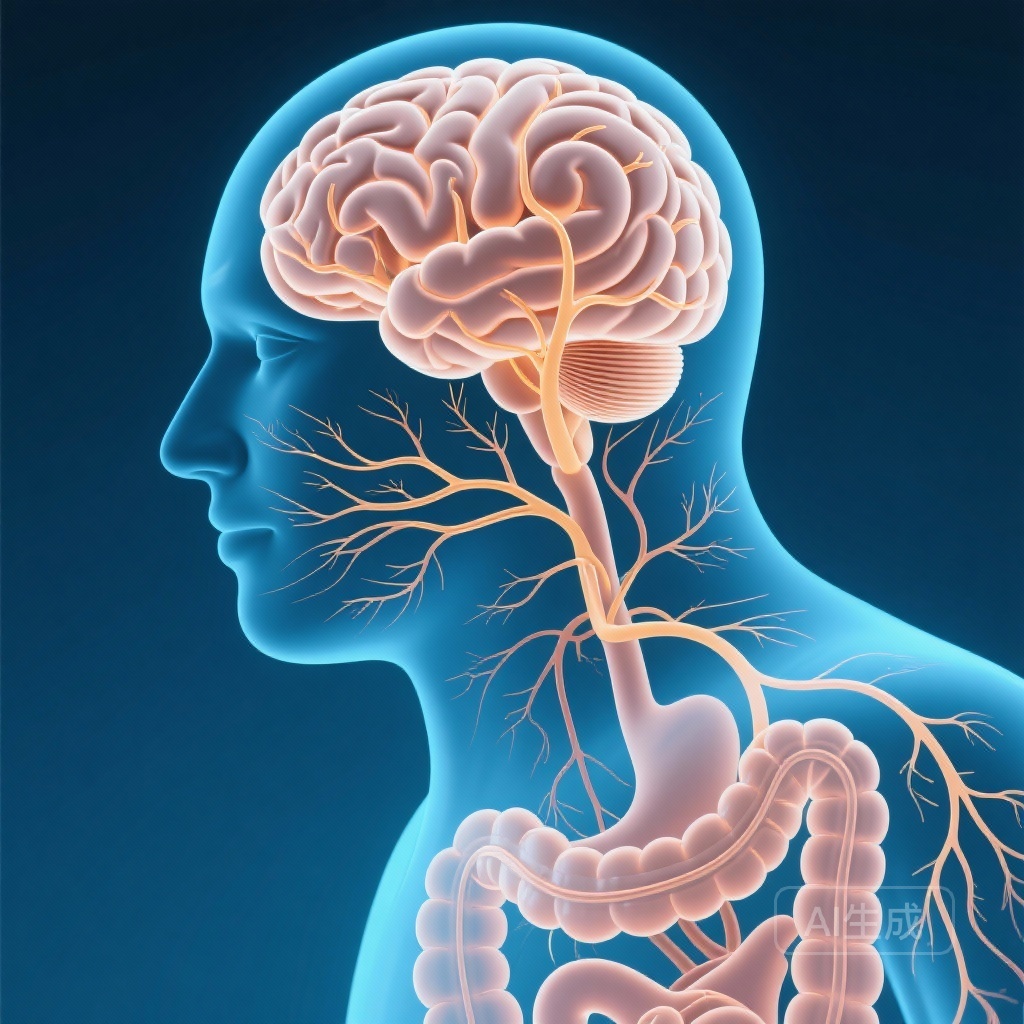
One potential limitation noted by the study authors was the intensity of the intervention. Four sessions may be sufficient to change cognitive frameworks (expectations and anxiety) but may be a ‘low dose’ for achieving rapid symptom relief in patients with high baseline severity. The fact that no differential effects were observed between UC and IBS is a powerful validation of the transdiagnostic approach, suggesting that the brain-gut axis operates similarly regardless of whether the initial trigger was autoimmune inflammation or functional dysmotility.
Furthermore, the lack of serious adverse events across all groups reinforces the safety of integrating online psychological tools into standard GI care. The results suggest that while patients may not feel ‘cured’ within 90 days, the psychological groundwork laid early on provides a foundation for long-term resilience.
Clinical Implications and Future Directions
For the practicing gastroenterologist, the SOMA.GUT-RCT provides evidence that referring patients to psychological services—even online, brief interventions—can yield long-term dividends. It highlights the importance of measuring ‘process variables’ like illness anxiety, rather than just the frequency of bowel movements or pain scores, as these psychological shifts are precursors to physical improvement.
Future research should investigate whether ‘booster sessions’ at the six-month mark could accelerate the 12-month gains or if combining these targeted interventions with pharmacological treatments (such as neuromodulators) could produce more immediate relief. Additionally, increasing the ‘dose’ or intensity of the biopsychosocial targeting might be necessary for patients with the highest levels of symptom severity.
Conclusion
The SOMA.GUT trial demonstrates that mechanism-based psychological interventions are effective at modifying the cognitive-emotional drivers of GI distress in both IBS and UC. Although the primary endpoint at three months was not met, the significant improvements at 12 months provide a compelling argument for the long-term value of psychogastroenterology. By addressing the ‘how’ and ‘why’ of symptom perception, clinicians can help patients move beyond the cycle of anxiety and towards a state of sustained symptom management.
References
1. Maehder K, Peters L, Hübener S, et al. Efficacy of a mechanism-based psychological intervention for persistent gastrointestinal symptoms in ulcerative colitis and irritable bowel syndrome: results of a three-arm randomised controlled trial (SOMA.GUT-RCT). EClinicalMedicine. 2025;90:103663. doi:10.1016/j.eclinm.2025.103663.
2. Drossman DA, Hasler WL. Rome IV-Functional GI Disorders: Disorders of Gut-Brain Interaction. Gastroenterology. 2016;150(6):1257-1261.
3. Keefer L, Mandal PY, Adler J, et al. Behavioral Medicine and Gastrointestinal Disorders: The Role of the Brain-Gut Axis. Nature Reviews Gastroenterology & Hepatology. 2022;19:100-115.