Introduction: Nature’s Functional Powerhouse
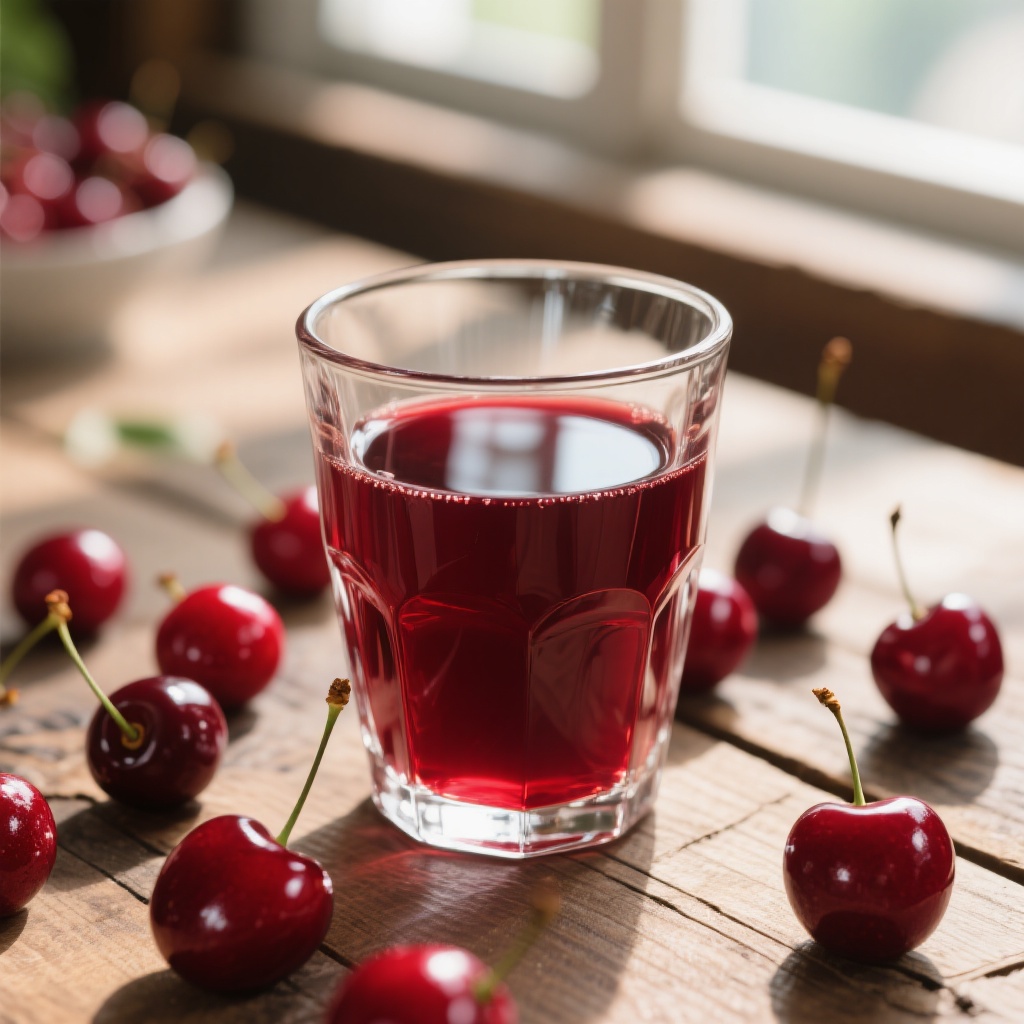
In the ever-evolving landscape of nutritional science, few foods have garnered as much clinical attention recently as the humble tart cherry (*Prunus cerasus*). While cherries have long been enjoyed as a seasonal treat, researchers are increasingly uncovering that their juice—particularly the Montmorency variety—functions as a potent pharmacological tool. Whether it is a professional athlete looking to shave hours off recovery time, an elderly patient struggling with the persistent ache of osteoarthritis, or a corporate executive battling chronic insomnia, tart cherry juice is emerging as a versatile intervention. This article examines the metabolic and physiological impacts of daily cherry juice consumption, grounding anecdotal claims in rigorous scientific data.
The Chemistry of Healing: Why Cherries?
The therapeutic efficacy of tart cherry juice is primarily attributed to its high concentration of bioactive compounds, specifically polyphenols and anthocyanins. Anthocyanins are the pigments responsible for the deep red hue of the fruit and serve as powerful antioxidants. In the human body, these molecules do more than just neutralize free radicals; they modulate inflammatory pathways by inhibiting cyclooxygenase (COX-1 and COX-2) enzymes. This mechanism is strikingly similar to how non-steroidal anti-inflammatory drugs (NSAIDs) like ibuprofen work, but without the gastrointestinal or renal side effects often associated with long-term pharmaceutical use.
Scientific and Clinical Evidence: What the Data Tell Us
1. Mitigating Chronic Inflammation and Joint Health
Chronic inflammation is the silent driver of many age-related diseases. Clinical trials have demonstrated that tart cherry juice can significantly reduce biomarkers of inflammation, such as C-reactive protein (CRP) and Interleukin-6 (IL-6). For patients with osteoarthritis, this translates to tangible relief. A study published in the journal *Nutrients* highlighted that regular consumption reduced joint stiffness and pain. Furthermore, research from the University of Pennsylvania School of Medicine suggests that the phytochemicals in cherries may play a role in bone metabolism, potentially preventing the bone mineral density loss that leads to osteoporosis.
2. Uric Acid Regulation and Gout Management
Gout is a form of inflammatory arthritis characterized by the crystallization of uric acid in the joints. For decades, cherry consumption has been a traditional remedy for gout ‘flares.’ Modern science now supports this; studies show that drinking cherry juice leads to a rapid reduction in serum urate levels by increasing urinary excretion of uric acid. By keeping uric acid levels within a healthy range, tart cherry juice acts as a prophylactic measure against the excruciating pain of gout attacks.
3. Enhancing Sleep Architecture
Perhaps one of the most celebrated benefits of tart cherry juice is its impact on sleep. Unlike most fruits, tart cherries contain significant amounts of exogenous melatonin—the hormone that regulates the sleep-wake cycle. However, the benefits go deeper than melatonin alone. Research indicates that cherries contain procyanidin B-2, which prevents the degradation of tryptophan, an amino acid precursor to serotonin and melatonin. A 2025 systematic review by Barforoush et al. confirmed that daily consumption of 200–400ml of tart cherry juice significantly improved sleep duration and quality in adults with insomnia, providing a natural alternative to sedative-hypnotic medications.
4. Cardiovascular Resilience and Blood Pressure
Hypertension is a leading risk factor for cardiovascular disease. Recent clinical meta-analyses, including work by Omrani et al. (2025), suggest that the flavonoids in cherry juice improve endothelial function—the ability of blood vessels to dilate. In one study, participants drinking 480ml of juice daily for 12 weeks saw a significant drop in systolic blood pressure. Additionally, the juice has been shown to lower low-density lipoprotein (LDL) or ‘bad’ cholesterol, thereby reducing the risk of atherosclerosis and subsequent cardiac events.
Misconceptions and Clarifications
While the benefits are extensive, it is crucial to address common misunderstandings to ensure safe and effective use.
Common Misunderstandings About Cherry Juice
| Misconception | The Reality |
|---|---|
| Cherry juice is a weight-loss drink. | Studies show no significant impact on BMI; it is a health supplement, not a fat burner. |
| Sweet cherry juice is the same as tart cherry juice. | Tart cherries (Montmorency) have significantly higher levels of anthocyanins and melatonin than sweet cherries. |
| More juice is always better. | The optimal dose is usually 8-12 ounces; excess consumption adds unnecessary sugar and calories. |
| It can replace all arthritis medications. | It is a complementary therapy and should only be used alongside or instead of medication under a doctor’s supervision. |
Practical Health Practices: How to Incorporate Cherry Juice
To reap the maximum benefits, consistency and quality are key. Here are evidence-based recommendations for integrating this ‘superjuice’ into a daily routine:
Best Practices for Consumption
- Choose Unsweetened: Look for ‘100% Tart Cherry Juice’ or ‘Not from Concentrate’ labels. Avoid products with added high-fructose corn syrup or cane sugar, which can negate the anti-inflammatory benefits.
- Timing for Sleep: If using for insomnia, drink one 8-ounce glass about 1 to 2 hours before bed.
- Timing for Exercise: To reduce muscle soreness (DOMS), consume juice for 5 days leading up to a major event and for 48 hours following the event.
- Diabetes Precautions: Even unsweetened juice contains natural fruit sugars. Patients with Type 2 diabetes should monitor their blood glucose and perhaps dilute the juice with water or sparkling water.
Expert Recommendations and Insights
Medical professionals increasingly view nutritional interventions as a primary pillar of preventative medicine. Experts suggest that for the general population, tart cherry juice represents a low-risk, high-reward addition to a Mediterranean-style diet. However, clinicians emphasize that it should not be viewed as a ‘silver bullet.’ The synergistic effect of the polyphenols is most effective when the patient also maintains a lifestyle of moderate exercise and low processed-sugar intake.
Patient Scenario: A Case for Cherry Juice
James is a 58-year-old high school teacher and avid amateur golfer living in Ohio. Over the last three years, James began experiencing persistent morning stiffness in his knees and occasional bouts of insomnia that left him fatigued during his morning lectures. His physician diagnosed him with mild osteoarthritis.
Reluctant to rely solely on daily NSAIDs due to a history of sensitive stomach, James began drinking 8 ounces of unsweetened tart cherry juice every evening. Within six weeks, James reported a noticeable reduction in the ‘grinding’ sensation in his knees. More importantly, his fitness tracker showed an average increase of 45 minutes of deep sleep per night. For James, the juice didn’t just provide nutrients; it restored his ability to enjoy his hobbies and his profession without the fog of pain and sleep deprivation.
Conclusion: The Future of Cherry Research
As we look toward the future, the scope of cherry juice research is expanding into cognitive health and oncology. Preliminary data suggests that the neuroprotective properties of anthocyanins may slow the progression of mild-to-moderate dementia by reducing oxidative stress in brain tissue. While the current body of evidence is strong, many studies are small-scale. Larger, multi-center longitudinal trials are needed to fully define the long-term impacts and potential drug interactions. Nevertheless, for those seeking a natural, evidence-based way to support their body’s inflammatory response and sleep cycles, tart cherry juice stands out as a scientifically sound choice.
Funding and clinicaltrials.gov
Recent and ongoing studies regarding tart cherry juice and metabolic health are often supported by agricultural research boards or independent health institutes. For more information on active trials, researchers and patients can visit ClinicalTrials.gov and search for terms such as ‘Tart Cherry,’ ‘Anthocyanin Inflammation,’ or ‘Montmorency Sleep Study.’
References
Barforoush F, Ebrahimi S, Abdar MK, Khademi S, Morshedzadeh N. The Effect of Tart Cherry on Sleep Quality and Sleep Disorders: A Systematic Review. Food Sci Nutr. 2025 Sep 16;13(9):e70923. doi: 10.1002/fsn3.70923. PMID: 40964149; PMCID: PMC12438961.
Omrani M, Norouzzadeh M, Ahmadirad H, Abbasi M, Jahromi MK, Teymoori F, Rashedi MH, Rahideh ST, Farhadnejad H, Mirmiran P, Khaleghian M. Cornelian cherry, cardiometabolic health, and dietary intake: a GRADE-assessed systematic review and meta-analysis. Nutr Metab (Lond). 2025 Aug 6;22(1):92. doi: 10.1186/s12986-025-00991-4. PMID: 40770337; PMCID: PMC12326813.
Gonçalves B, Aires A, Oliveira I, Baltazar M, Cosme F, Afonso S, Pinto T, Anjos MR, Inês A, Morais MC, Vilela A, Silva AP. From Orchard to Wellness: Unveiling the Health Effects of Sweet Cherry Nutrients. Nutrients. 2024 Oct 28;16(21):3660. doi: 10.3390/nu16213660. PMID: 39519493; PMCID: PMC11547742.