Introduction: The Persistent Challenge of Chronic Allograft Rejection
Heart transplantation remains the definitive treatment for patients with end-stage heart failure. Despite significant advancements in surgical techniques and early-stage immunosuppression, the long-term survival of cardiac allografts is still hampered by chronic rejection and the cumulative toxicities of systemic immunosuppressive regimens. Conventional therapies often rely on high-dose, non-specific agents that can lead to opportunistic infections, malignancies, and metabolic complications. Consequently, there is an urgent clinical need for targeted strategies that can induce immune tolerance or long-term graft acceptance while minimizing systemic exposure.
A recent study published in Circulation (2026) by Che et al. introduces a groundbreaking approach to this problem. By targeting the specialized vasculature of the lymph nodes (LNs), specifically the High Endothelial Venules (HEVs), researchers have successfully delivered immunoregulatory payloads that promote graft acceptance and suppress chronic rejection in murine models.
The Role of High Endothelial Venules in Transplant Immunity
To understand the significance of this research, one must look at the gateway of the adaptive immune response: the lymph node. The entrance of naive T cells into LNs is a prerequisite for both the priming of effector responses and the induction of tolerance. This process is mediated by HEVs, specialized blood vessels that express unique glycoproteins.
CHST4: The Gatekeeper of Naive T Cell Entry
The key to HEV function lies in the expression of 6-sulfo sialyl Lewis X, a carbohydrate motif that serves as the binding site for L-selectin on naive T cells. The synthesis of this carbohydrate requires specific sulfotransferases, with N-acetylglucosamine 6-O-sulfotransferase (CHST4) playing a primary role. The study identifies CHST4 as a critical regulator of the transplant immune environment. Without functional CHST4, the recruitment of naive T cells is impaired, which paradoxically disrupts the formation of the regulatory T cells (Tregs) necessary for transplant acceptance under costimulatory blockade.
Study Design and Methodology
The research team employed a multi-faceted approach to investigate the CHST4/HEV axis. They utilized CHST4 knockout mice and inducible diphtheria toxin receptor (DTR) mouse models to isolate the specific role of HEVs in cardiac transplantation. The study utilized two distinct murine models to simulate different clinical scenarios:
1. A fully major histocompatibility complex (MHC)-mismatched model to study acute heart transplant rejection.
2. A single MHC class II-mismatched model to evaluate chronic heart transplant rejection.
Development of the HEV-Targeted ADC
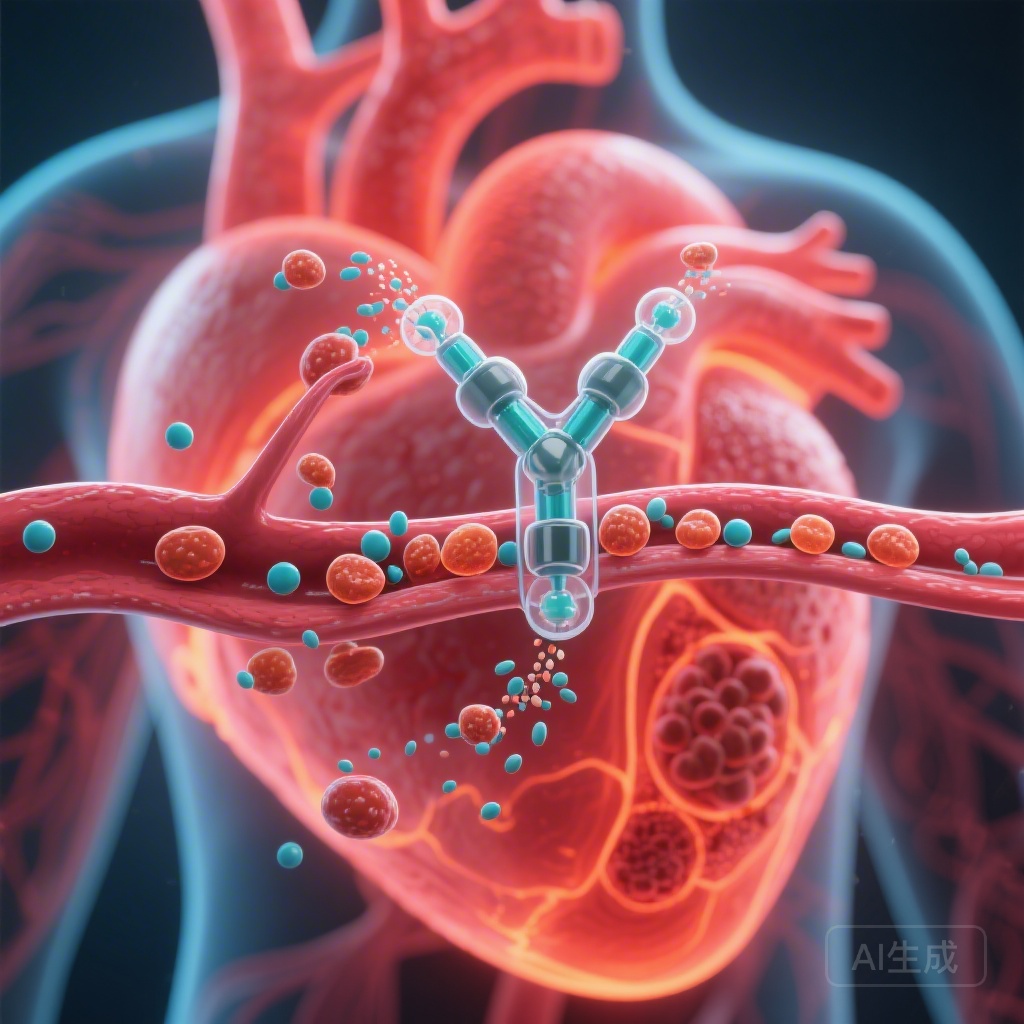
The centerpiece of the study is the development of a first-in-class, dual-payload Antibody-Drug Conjugate (ADC). The researchers used the MHA112 antibody, which specifically targets the HEV markers regulated by CHST4. To this antibody, they conjugated two potent immunomodulatory agents:
1. Rapamycin: An mTOR inhibitor known for its ability to promote Treg expansion and inhibit effector T cell proliferation.
2. Tubastatin A: A selective HDAC6 inhibitor that enhances Treg suppressive function.
By conjugating these drugs to the MHA112 antibody, the team aimed to concentrate the therapeutic effect within the lymph nodes, thereby creating a localized environment conducive to immune tolerance.
Key Findings: Promoting Tolerance Through Targeted Delivery
The results of the study provide compelling evidence for the efficacy of HEV-targeted therapy in organ transplantation.
1. Impaired HEV Function Disrupts Allograft Acceptance
The researchers first demonstrated that the loss of CHST4 expression by HEVs led to a significant reduction in the entry of naive T cells into the LNs. While one might assume reduced T cell entry would prevent rejection, the study revealed that it actually hindered the generation of Tregs. In the absence of these regulatory cells, the induction of cardiac transplant acceptance—normally achieved via costimulatory blockade—was severely compromised.
2. ADC Efficacy in Acute and Chronic Rejection Models
Treatment with the MHA112-Rapamycin-Tubastatin A ADC showed remarkable results. In the murine heart allograft models, the ADC significantly prolonged graft survival. More importantly, it was effective in suppressing chronic rejection, which is characterized by accelerated graft arteriosclerosis and remains the primary cause of long-term graft loss in human patients.
3. Mechanistic Insights: Treg Induction and Reduced Infiltration
Mechanistically, the ADC achieved its effects by enhancing Treg induction specifically within the lymph nodes. This localized action led to a subsequent reduction in proinflammatory T cells and a marked decrease in immune cell infiltration into the cardiac allograft itself.
One of the most clinically relevant findings was the dose-efficiency of the ADC. The therapeutic effects were achieved using substantially lower doses of rapamycin and tubastatin A compared to the administration of the free, systemic versions of these drugs. This suggests that targeted delivery can achieve superior outcomes with a significantly reduced risk of systemic side effects.
Expert Commentary and Clinical Implications
This study represents a significant shift in how we approach post-transplant immunosuppression. By focusing on the “trafficking” stage of the immune response rather than just systemic suppression, the CHST4-targeted ADC offers a more surgical approach to immune modulation.
From a clinical perspective, the ability to promote Treg formation locally within the lymph nodes is highly attractive. Current immunosuppressants often inhibit both effector cells and regulatory cells, making the achievement of true immune tolerance difficult. The HEV-targeted ADC appears to tip the balance in favor of regulation.
However, several questions remains for future investigation. While the murine models are robust, the translation to human physiology requires confirmation that human HEVs and the CHST4 ortholog function identically in the context of transplant-induced inflammation. Furthermore, the long-term stability of the ADC and its potential impact on systemic lymphatic function will need to be scrutinized in larger animal models before human trials can begin.
Conclusion: A New Frontier in Transplantation
The work by Che et al. uncovers a vital mechanistic link between HEV function and transplant tolerance. By demonstrating that CHST4 is essential for Treg generation, and by successfully targeting this axis with a novel dual-payload ADC, the researchers have provided a blueprint for the next generation of transplant therapies.
This HEV-targeted strategy holds the promise of achieving long-term cardiac allograft acceptance with minimal systemic toxicity, potentially transforming the standard of care for transplant recipients and moving the field closer to the ultimate goal of “one graft for life.”
References
1. Che Y, Yamamura Y, Jung S, et al. HEV-Targeted Antibody-Drug Conjugate Promotes Long-Term Cardiac Allograft Acceptance. Circulation. 2026;153(8):e234-e250. doi:10.1161/CIRCULATIONAHA.125.076423.
2. Girard JP, Moussion C, Förster R. HEVs, lymphatics and homeostatic immune cell trafficking in lymph nodes. Nat Rev Immunol. 2012;12(11):762-773.
3. Uchimura K, Rosen SD. Sulfated L-selectin ligands as a therapeutic target in chronic inflammation. Trends Immunol. 2006;27(12):559-565.