High-Dose Oral Insulin Fails to Prevent Islet Autoimmunity: Primary Results from the POInT Randomized Trial

High-Dose Oral Insulin Fails to Prevent Islet Autoimmunity: Primary Results from the POInT Randomized Trial

The POInT trial demonstrated that high-dose daily oral insulin does not prevent islet autoantibodies in infants at high genetic risk for type 1 diabetes. Despite its safety, the primary endpoint was not met, though genotype-specific interactions suggest a need for more personalized prevention strategies.
Video Consultations for Insulin Pump-Treated Type 1 Diabetes: Non-Inferior Glycemic Control with Nuanced Patient Outcomes

Video Consultations for Insulin Pump-Treated Type 1 Diabetes: Non-Inferior Glycemic Control with Nuanced Patient Outcomes

A 52-week RCT demonstrates that video consultations achieve comparable Time in Range (TiR) to physical visits for T1D patients on insulin pumps. While the intervention improved HbA1c and treatment satisfaction, it was associated with an inferior impact on patient quality of life.
Beyond the Alarm: Does CGM Truly Restore Hypoglycemia Awareness in Older Adults with Type 1 Diabetes?

Beyond the Alarm: Does CGM Truly Restore Hypoglycemia Awareness in Older Adults with Type 1 Diabetes?

This post hoc analysis of the WISDM study evaluates whether 52 weeks of continuous glucose monitoring (CGM) improves impaired awareness of hypoglycemia (IAH) in older adults. While severe events decreased, physiological awareness remained largely unchanged, revealing critical limitations in current IAH assessment tools.
Inhaled Insulin for Pediatric Type 1 Diabetes: Analyzing the INHALE-1 Trial Results and Clinical Implications

Inhaled Insulin for Pediatric Type 1 Diabetes: Analyzing the INHALE-1 Trial Results and Clinical Implications

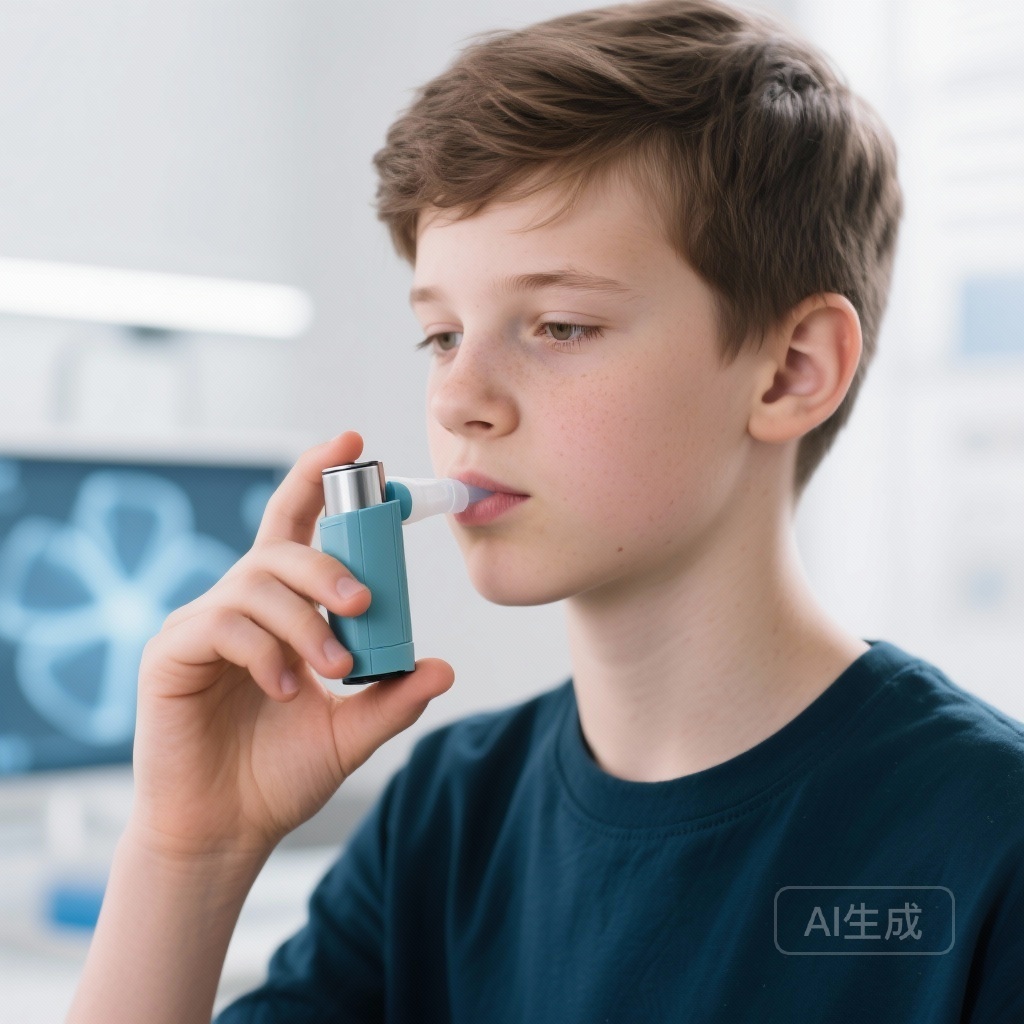
The INHALE-1 trial evaluated inhaled technosphere insulin in children. While it narrowly missed the primary HbA1c noninferiority margin, the study demonstrated improved patient satisfaction, reduced weight gain, and a favorable safety profile, suggesting its potential as a needle-free alternative for select pediatric patients.
Finerenone Lowers Albuminuria in Type 1 Diabetes with CKD: FINE‑ONE Phase III Shows 25% Average UACR Reduction and Acceptable Safety

Finerenone Lowers Albuminuria in Type 1 Diabetes with CKD: FINE‑ONE Phase III Shows 25% Average UACR Reduction and Acceptable Safety

The FINE‑ONE Phase III trial found finerenone reduced urinary albumin-to-creatinine ratio (UACR) by 25% versus placebo in adults with type 1 diabetes and chronic kidney disease over six months, with safety broadly consistent with prior type 2 diabetes trials and a manageable hyperkalemia signal.
Less Sitting, More Sleep and MVPA Linked to Better Glycaemic Stability in Children with Type 1 Diabetes: A 2‑Year Compositional Analysis

Less Sitting, More Sleep and MVPA Linked to Better Glycaemic Stability in Children with Type 1 Diabetes: A 2‑Year Compositional Analysis

A longitudinal compositional analysis of 83 children with type 1 diabetes found that reallocating daily time away from sedentary behaviour toward sleep or moderate‑to‑vigorous physical activity (MVPA) was associated with lower HbA1c and interstitial glucose over two years.