Beyond Recanalization: Understanding the Dynamic Evolution of the No-Reflow Phenomenon After Stroke Thrombectomy

Beyond Recanalization: Understanding the Dynamic Evolution of the No-Reflow Phenomenon After Stroke Thrombectomy

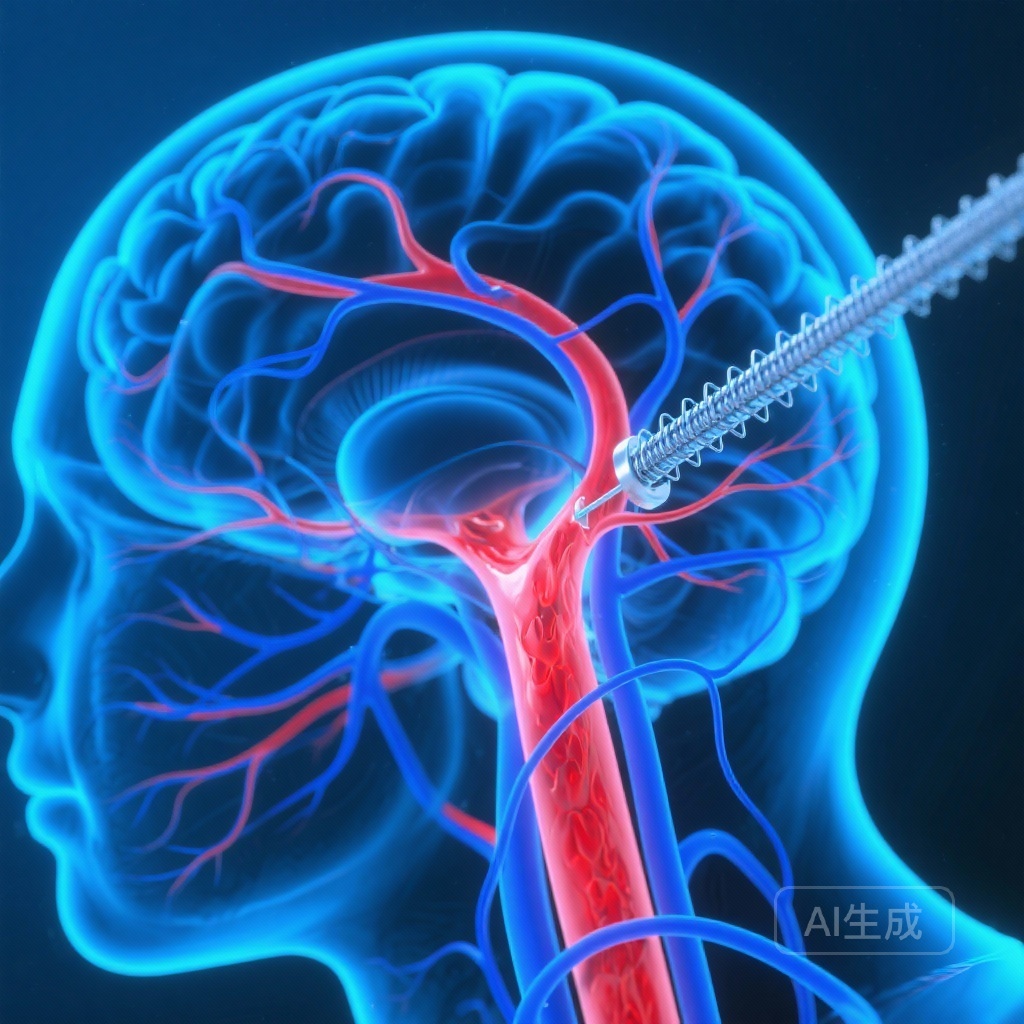
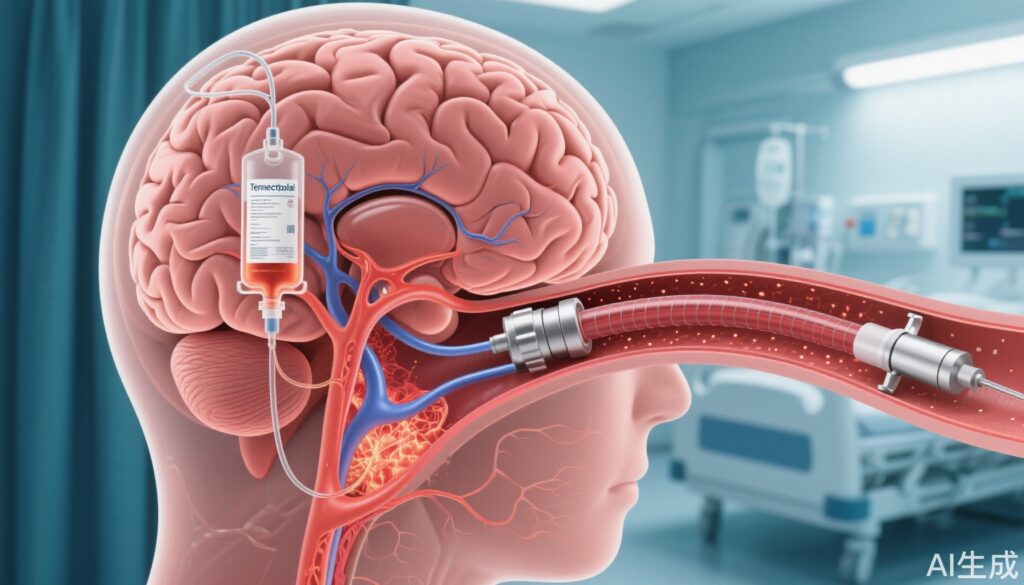
A prospective multicenter study reveals that the no-reflow phenomenon is a dynamic, evolving pathology following successful thrombectomy. It is significantly associated with infarct growth and poor functional outcomes, suggesting that achieving large vessel patency is only the first step in restoring cerebral perfusion.

Emergent Carotid Stenting During Thrombectomy Superior for Tandem Lesion Stroke: Insights From the CERES-TANDEM Study

Emergent Carotid Stenting During Thrombectomy Superior for Tandem Lesion Stroke: Insights From the CERES-TANDEM Study

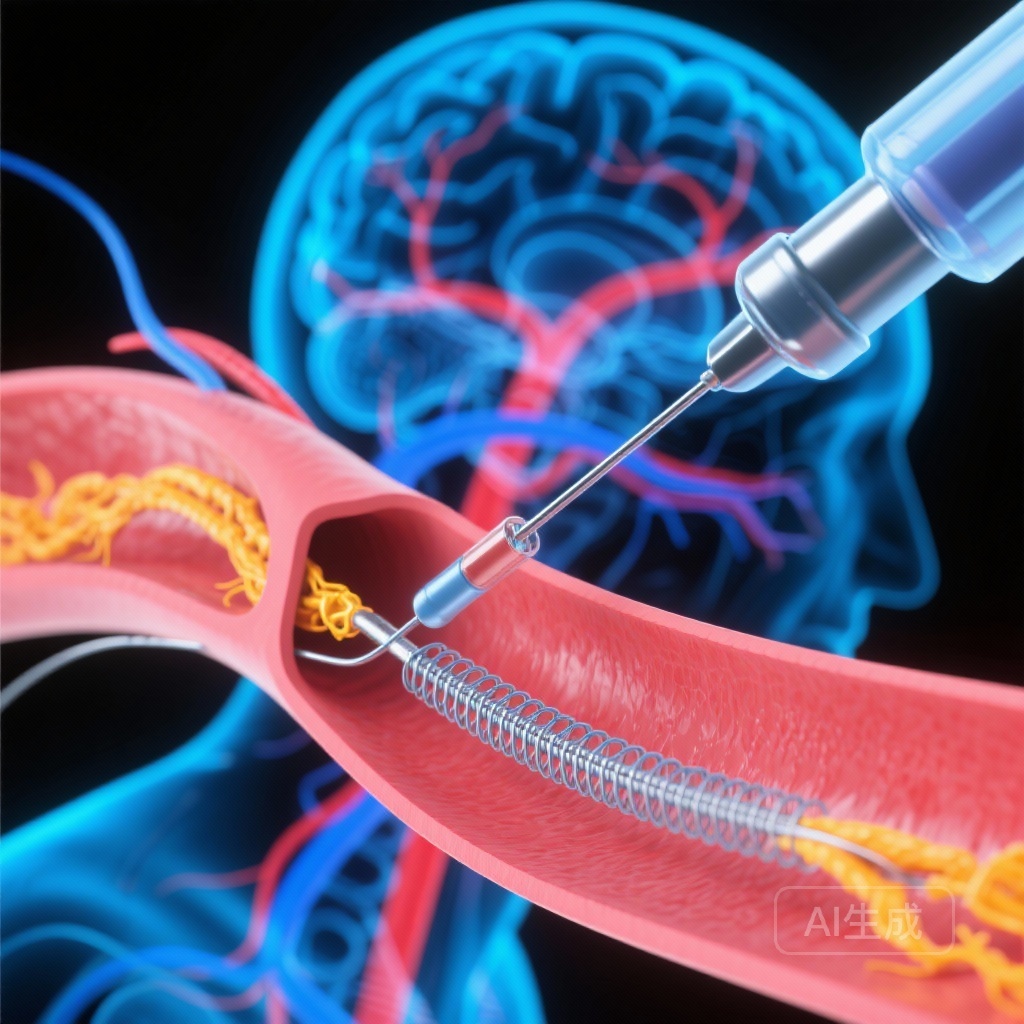
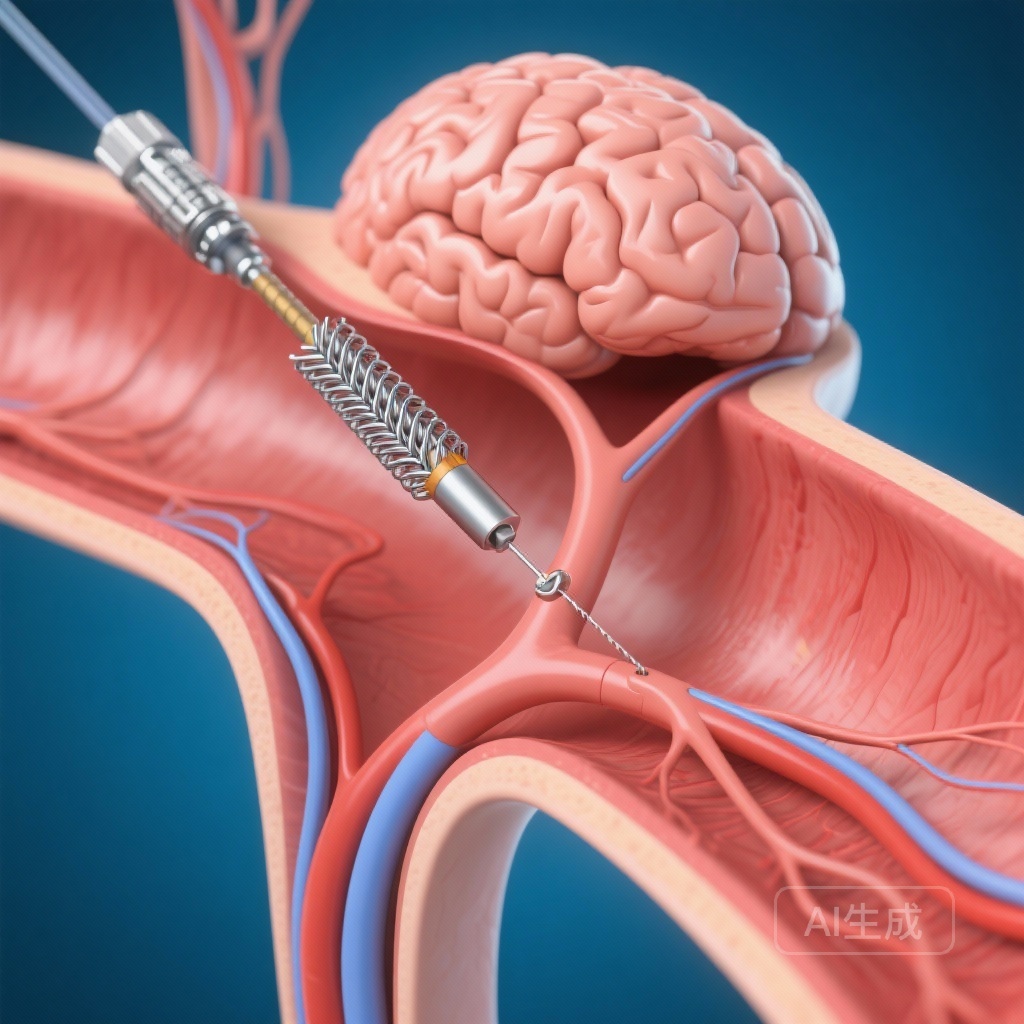
The CERES-TANDEM study provides Class II evidence that emergent carotid stenting (eCAS) during endovascular thrombectomy for tandem lesions significantly improves 90-day functional outcomes without increasing hemorrhagic risk, supporting its integration into clinical practice for acute anterior circulation ischemic stroke.
Giving IV Thrombolysis in the Late Window Before Transfer for Thrombectomy: Improved Recanalization and 3‑Month Outcomes in a Multicenter French Cohort

Giving IV Thrombolysis in the Late Window Before Transfer for Thrombectomy: Improved Recanalization and 3‑Month Outcomes in a Multicenter French Cohort

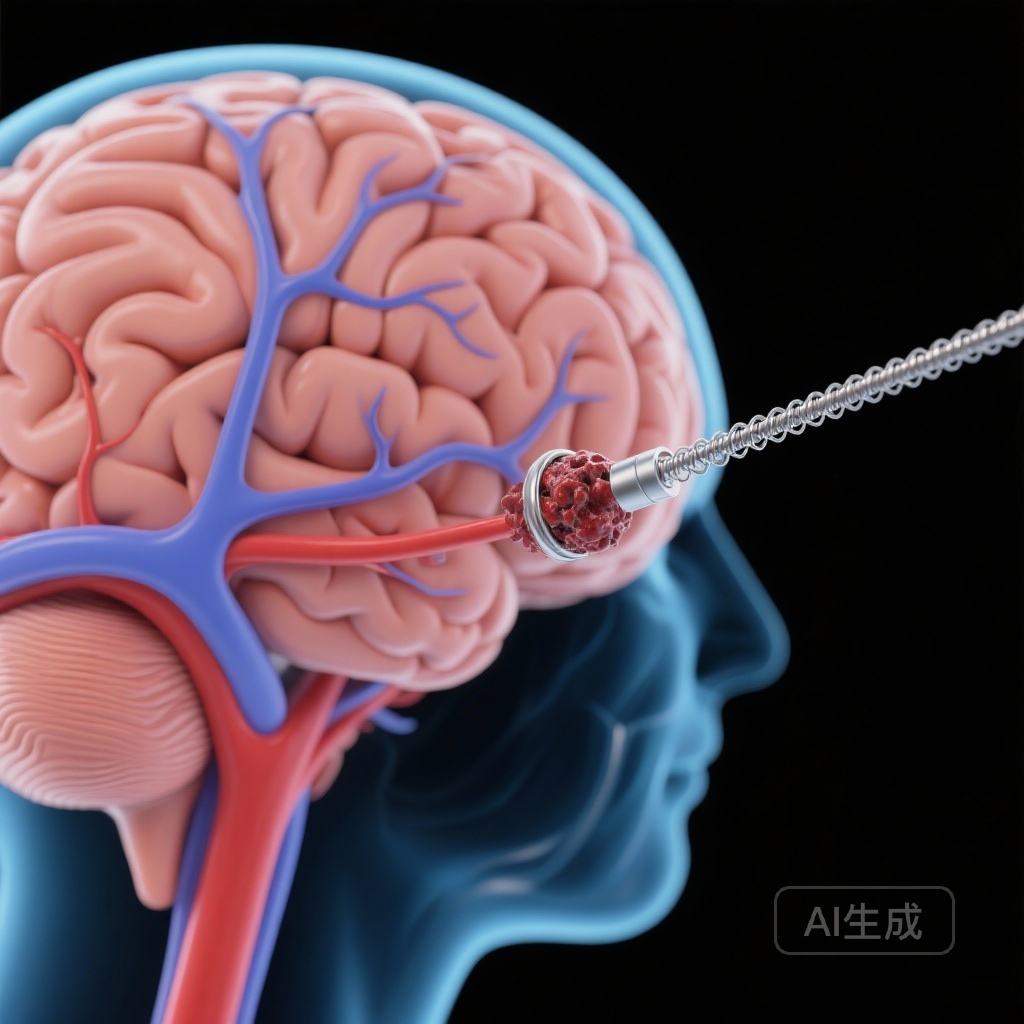
A multicenter retrospective cohort (OPEN-WINDOW) found that IV thrombolysis given beyond 4.5 hours before interhospital transfer for EVT was associated with higher rates of recanalization during transfer and better 3‑month functional outcomes without increased hemorrhagic complications.