
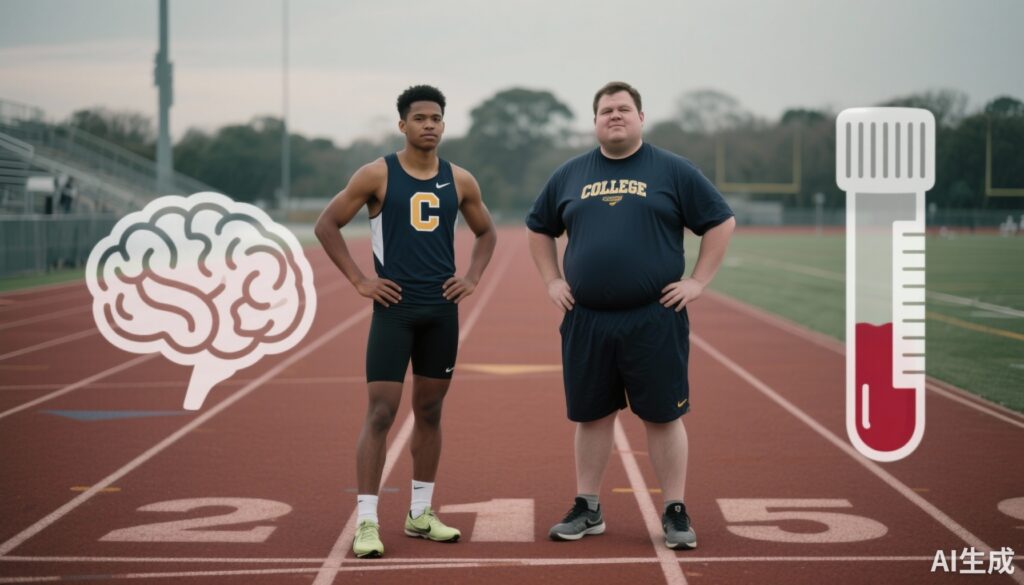
Obesity Alters Symptom Trajectory and Inflammatory Signatures after Sport-Related Concussion: the NCAA‑DoD CARE Consortium

Obesity Alters Symptom Trajectory and Inflammatory Signatures after Sport-Related Concussion: the NCAA‑DoD CARE Consortium

In a large prospective cohort, obese BMI (≥30) was associated with worse post-concussion neurocognitive outcomes and a persistently proinflammatory blood biomarker profile, despite fewer baseline symptoms. Findings suggest obesity modifies clinical recovery and biological response after sport-related concussion.
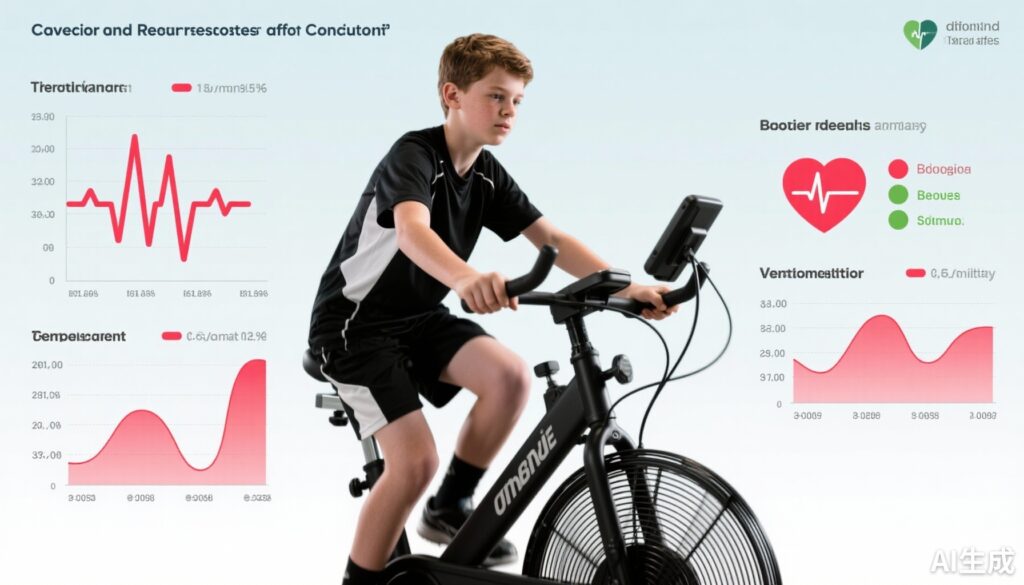
Cardiovascular and Respiratory Responses During Graded Exercise in Adolescents After Sport-Related Concussion: A Synthesis of Current Evidence

Cardiovascular and Respiratory Responses During Graded Exercise in Adolescents After Sport-Related Concussion: A Synthesis of Current Evidence

Exploring altered cardiopulmonary dynamics and exercise intolerance in adolescents post-sport-related concussion reveals attenuated cardiovascular responses independent of aerobic deconditioning, highlighting autonomic dysregulation as a key mechanism.