Guideline‑Level Moderate–Vigorous Physical Activity Appears Safe and Beneficial for Phenotype‑Negative Car cardiomyopathy Variant Carriers

Guideline‑Level Moderate–Vigorous Physical Activity Appears Safe and Beneficial for Phenotype‑Negative Car cardiomyopathy Variant Carriers

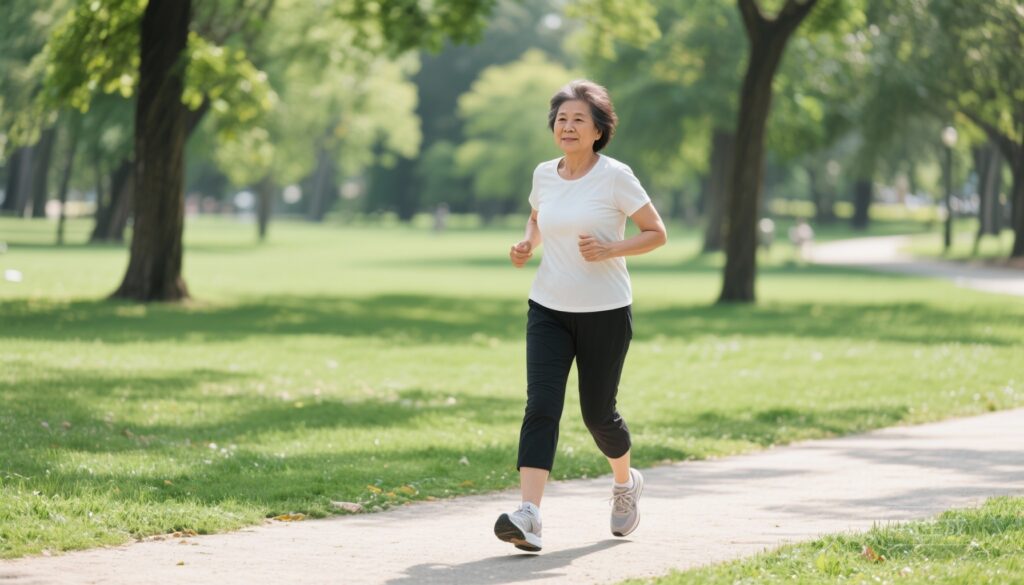
In a large UK Biobank cohort, accelerometer-measured moderate‑to‑vigorous physical activity (100–400 min/week) was associated with lower cardiovascular risk and no excess arrhythmic or cardiomyopathy onset among genotype‑positive phenotype‑negative (G+P-) cardiomyopathy variant carriers.
Less Sitting, More Sleep and MVPA Linked to Better Glycaemic Stability in Children with Type 1 Diabetes: A 2‑Year Compositional Analysis

Less Sitting, More Sleep and MVPA Linked to Better Glycaemic Stability in Children with Type 1 Diabetes: A 2‑Year Compositional Analysis

A longitudinal compositional analysis of 83 children with type 1 diabetes found that reallocating daily time away from sedentary behaviour toward sleep or moderate‑to‑vigorous physical activity (MVPA) was associated with lower HbA1c and interstitial glucose over two years.
Wearables and Behaviour Change Work Best: Physical Activity Interventions After Hip and Knee Arthroplasty Improve Steps but Not Sedentary Time

Wearables and Behaviour Change Work Best: Physical Activity Interventions After Hip and Knee Arthroplasty Improve Steps but Not Sedentary Time

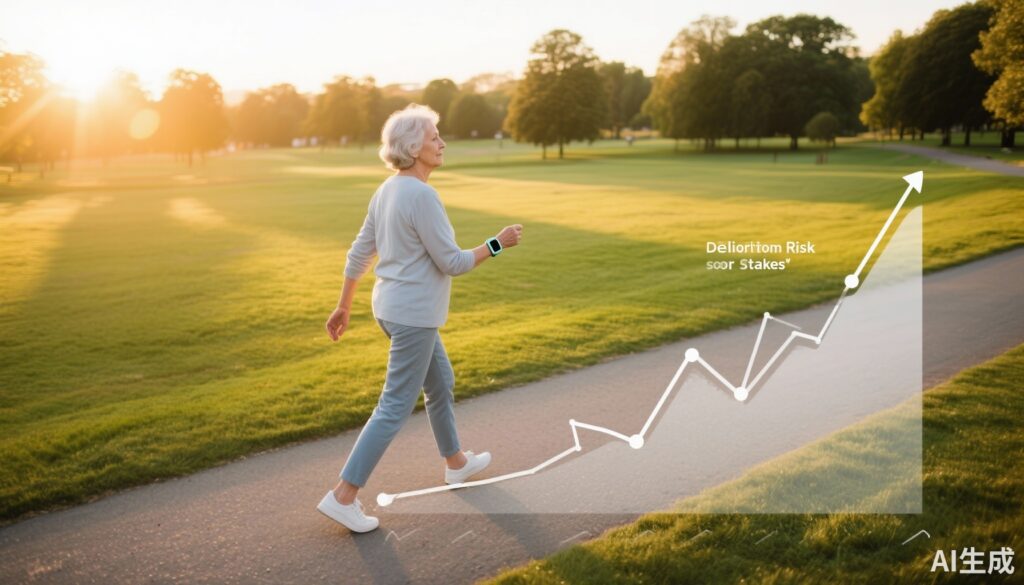
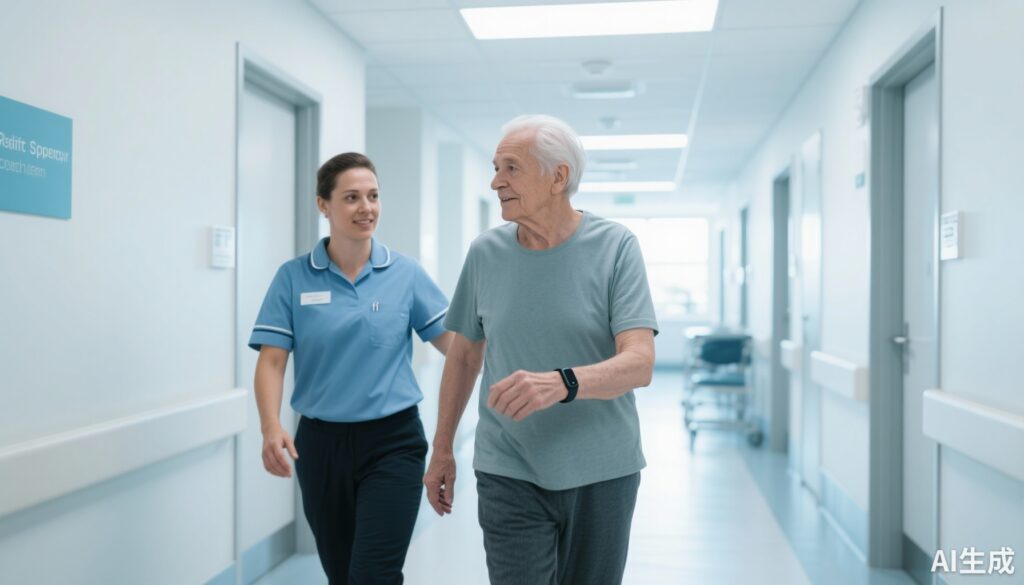
A meta-analysis of 23 RCTs (n≈1,265) found small but reliable increases in physical activity after hip or knee arthroplasty, driven by step-count gains and greater effects when interventions used wearable activity trackers, behaviour-change techniques, and were started early; effects on sedentary behaviour were uncertain.