
Skip to content
medxy logo Medxy AI
  • Specialties
    • Allergy & Immunology
    • Anesthesiology
    • Cardiology
    • Critical Care
    • Dermatology
    • Diabetes & Endocrinology
    • Emergency Medicine
    • Family Medicine & Nutrition
    • Gastroenterology
    • General Surgery
    • Hematology-Oncology
    • HIV/AIDS
    • Infectious Diseases
    • Internal Medicine
    • Nephrology
    • Neurology
    • Nursing & care
    • OB/GYN & Women’s Health
    • Oncology
    • Ophthalmology
    • Orthopedics
    • Otorhinolaryngology
    • Pathology & Lab Medicine
    • Pediatrics
    • Plastic Surgery
    • Psychiatry
    • Public Health
    • Radiology
    • Respiratory
    • Rheumatology
    • Urology
  • Clinical Updates
  • Medical News
  • iDoctor
  • Specialties
    • Allergy & Immunology
    • Anesthesiology
    • Cardiology
    • Critical Care
    • Dermatology
    • Diabetes & Endocrinology
    • Emergency Medicine
    • Family Medicine & Nutrition
    • Gastroenterology
    • General Surgery
    • Hematology-Oncology
    • HIV/AIDS
    • Infectious Diseases
    • Internal Medicine
    • Nephrology
    • Neurology
    • Nursing & care
    • OB/GYN & Women’s Health
    • Oncology
    • Ophthalmology
    • Orthopedics
    • Otorhinolaryngology
    • Pathology & Lab Medicine
    • Pediatrics
    • Plastic Surgery
    • Psychiatry
    • Public Health
    • Radiology
    • Respiratory
    • Rheumatology
    • Urology
  • Clinical Updates
  • Medical News
  • iDoctor
  • facebook.com
  • twitter.com
  • t.me
  • instagram.com
  • youtube.com
Subscribe
  • Home
  • neuroscience
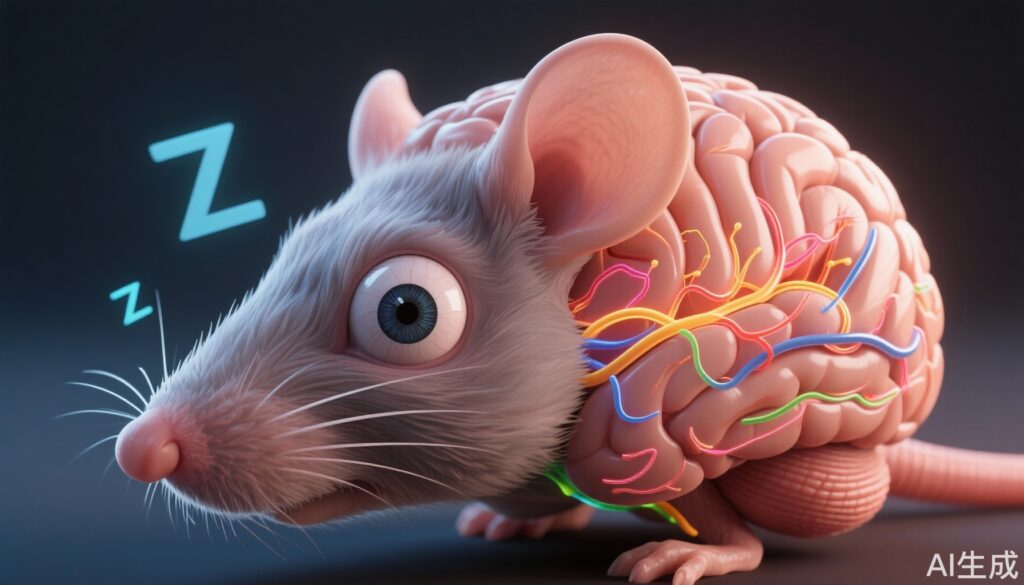
Why New Memories Don’t Overwrite Old Ones: Insights from Sleep Science
Posted inFamily Medicine & Nutrition news Specialties

Why New Memories Don’t Overwrite Old Ones: Insights from Sleep Science

Posted by MedXY By MedXY 08/31/2025
New research reveals how different sleep stages in mice help the brain process new and old memories separately, preventing memory overwriting and shedding light on catastrophic forgetting.
Read More
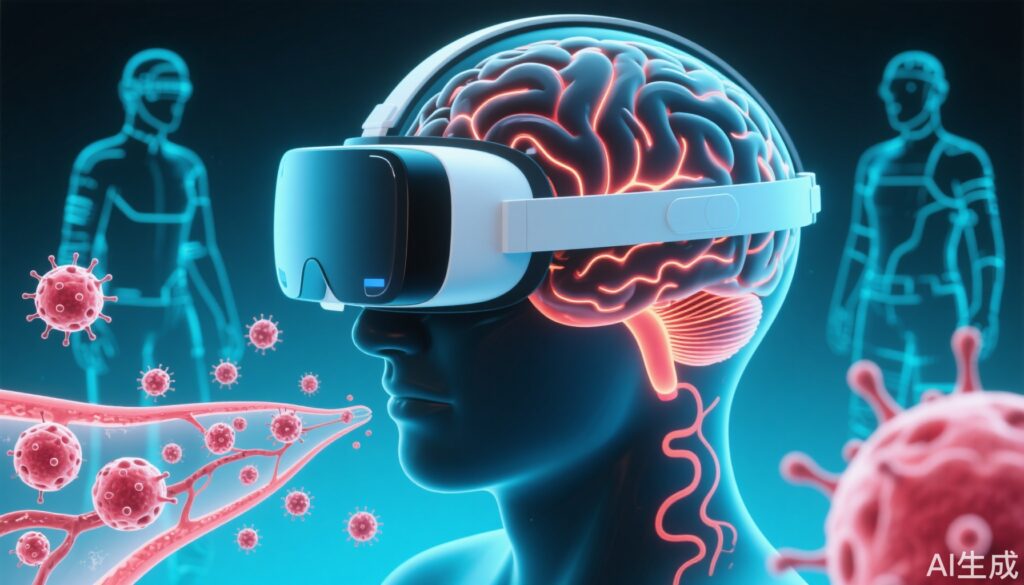
Can Merely Seeing Infection Activate Real Immunity? The Neuroscience of Virtual Pathogens and Immunological Anticipation
Posted inAI Infectious Diseases Medical News news Specialties

Can Merely Seeing Infection Activate Real Immunity? The Neuroscience of Virtual Pathogens and Immunological Anticipation

Posted by MedXY By MedXY 08/05/2025
A pioneering study demonstrates that visual cues of infection in virtual reality can trigger real immune activation, revealing a rapid neural-immune interface with potential implications for medicine, psychology, and vaccine development.
Read More
  • Beyond Statins: The Evolution and Clinical Impact of PCSK9 Inhibition in Cardiovascular Risk Management
  • Redefining Heart Valve Disease: The Battle Over Atrial Functional Mitral Regurgitation Guidelines
  • Unlocking Mitochondrial Resilience: How Annexin A2 Inhibition Protects the Infarcted Heart
  • Beyond One-Size-Fits-All: Histologic Subtyping Redefines the Value of Lymph Node Dissection in Early Lung Adenocarcinoma
  • Stratifying Risk in Incidentally Detected Splenomegaly: Quantitative Thresholds for Hematologic and Hepatic Surveillance
  • About us
  • Contact us
  • MedXY story
  • Privacy Policy
  • Subscribe Now!
  • 账号

  • English
  • 日本語
  • Tiếng Việt
  • 中文

Alzheimer's disease artificial intelligence atrial fibrillation biomarkers breast cancer Cardiology cardiovascular disease cardiovascular health cardiovascular risk chronic kidney disease clinical trial clinical trials critical care depression diabetes epidemiology exercise health heart failure Hypertension immunotherapy inflammation MASLD mental health metformin Mortality nutrition obesity older adults oncology Pediatrics Physical Activity precision medicine Pregnancy prevention prostate cancer public health randomized clinical trial randomized trial SGLT2 inhibitors stroke targeted therapy type 2 diabetes weight loss women's health

Your health, we care

Copyright 2026 — Medxy AI. All rights reserved.
Scroll to Top
Sign in