Venetoclax-Dexamethasone in t(11;14)-Positive Relapsed/Refractory Multiple Myeloma: A Critical Appraisal of the Phase III CANOVA Study

Venetoclax-Dexamethasone in t(11;14)-Positive Relapsed/Refractory Multiple Myeloma: A Critical Appraisal of the Phase III CANOVA Study

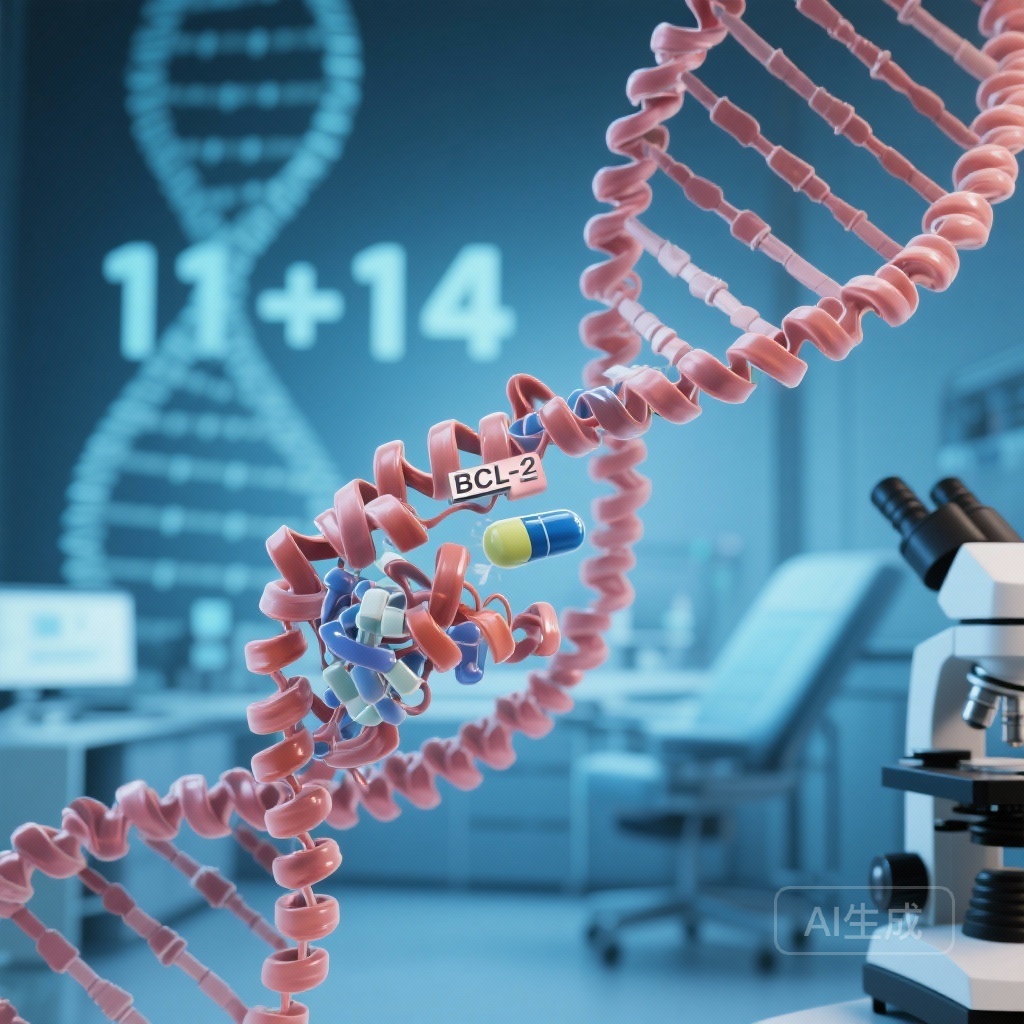
The Phase III CANOVA trial evaluated venetoclax-dexamethasone against pomalidomide-dexamethasone in t(11;14)-positive RRMM. While the primary endpoint of progression-free survival was not statistically met, the study revealed significant improvements in response rates and a numerical survival benefit, supporting biomarker-driven approaches in myeloma care.
Iberdomide-Based Oral Triple Therapy Extends Progression-Free Survival to 17.6 Months in Relapsed Multiple Myeloma: Results from the ICON Study

Iberdomide-Based Oral Triple Therapy Extends Progression-Free Survival to 17.6 Months in Relapsed Multiple Myeloma: Results from the ICON Study

The phase 2 ICON trial reveals that iberdomide combined with low-dose cyclophosphamide and dexamethasone (IberCd) achieves a median PFS of 17.6 months in lenalidomide-refractory multiple myeloma. This all-oral regimen represents a significant advancement in convenience and efficacy for heavily pretreated patients.
Teclistamab plus Daratumumab Redefines Outcomes in Relapsed or Refractory Multiple Myeloma: A Paradigm Shift in Early-Line Intervention

Teclistamab plus Daratumumab Redefines Outcomes in Relapsed or Refractory Multiple Myeloma: A Paradigm Shift in Early-Line Intervention

The phase 3 MajesTEC-3 trial demonstrates that combining teclistamab with daratumumab significantly extends progression-free survival compared to standard therapies in patients with relapsed or refractory multiple myeloma, achieving high rates of complete response and minimal residual disease negativity.
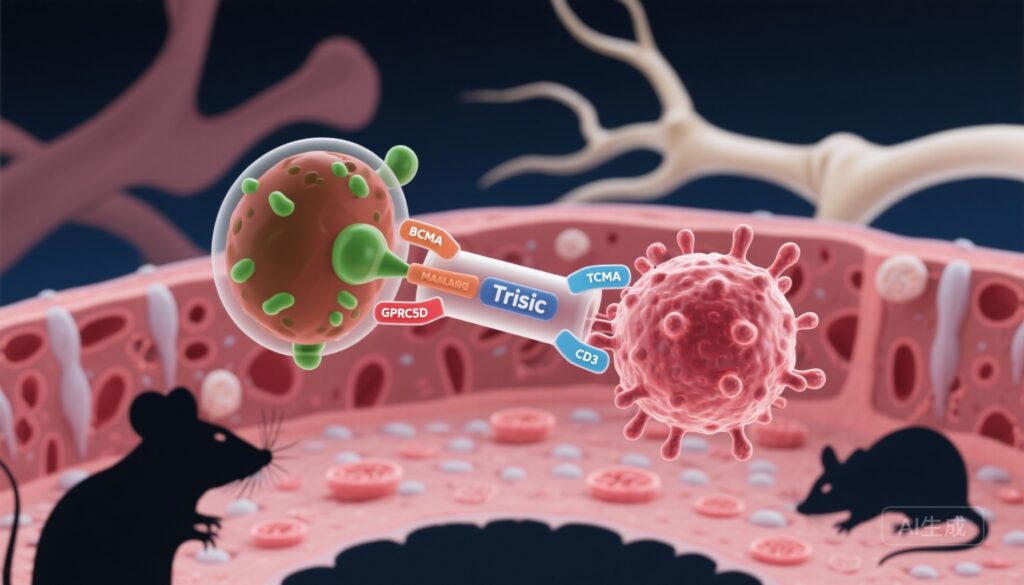
Ramantamig (JNJ-79635322): A Trispecific T‑Cell Engager Targeting BCMA and GPRC5D Shows Potent Preclinical Activity in Multiple Myeloma

Ramantamig (JNJ-79635322): A Trispecific T‑Cell Engager Targeting BCMA and GPRC5D Shows Potent Preclinical Activity in Multiple Myeloma

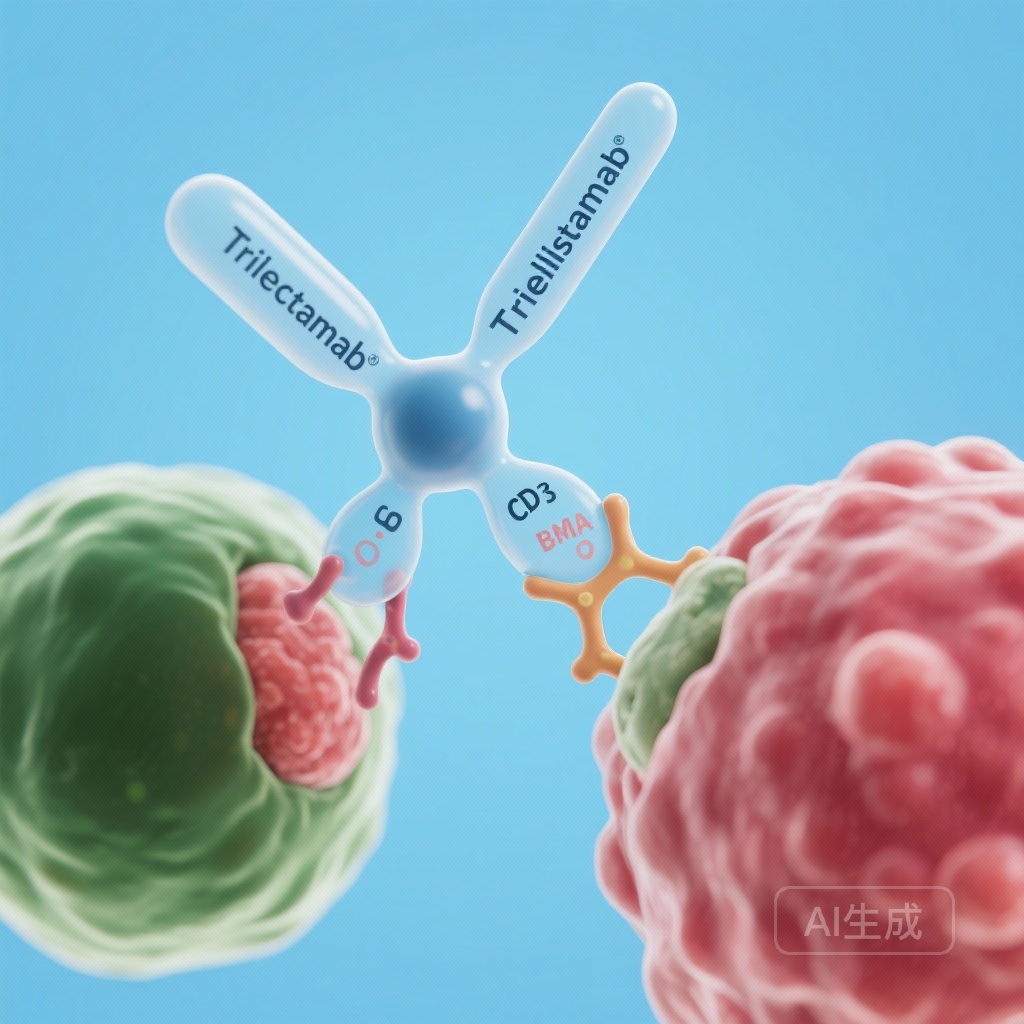
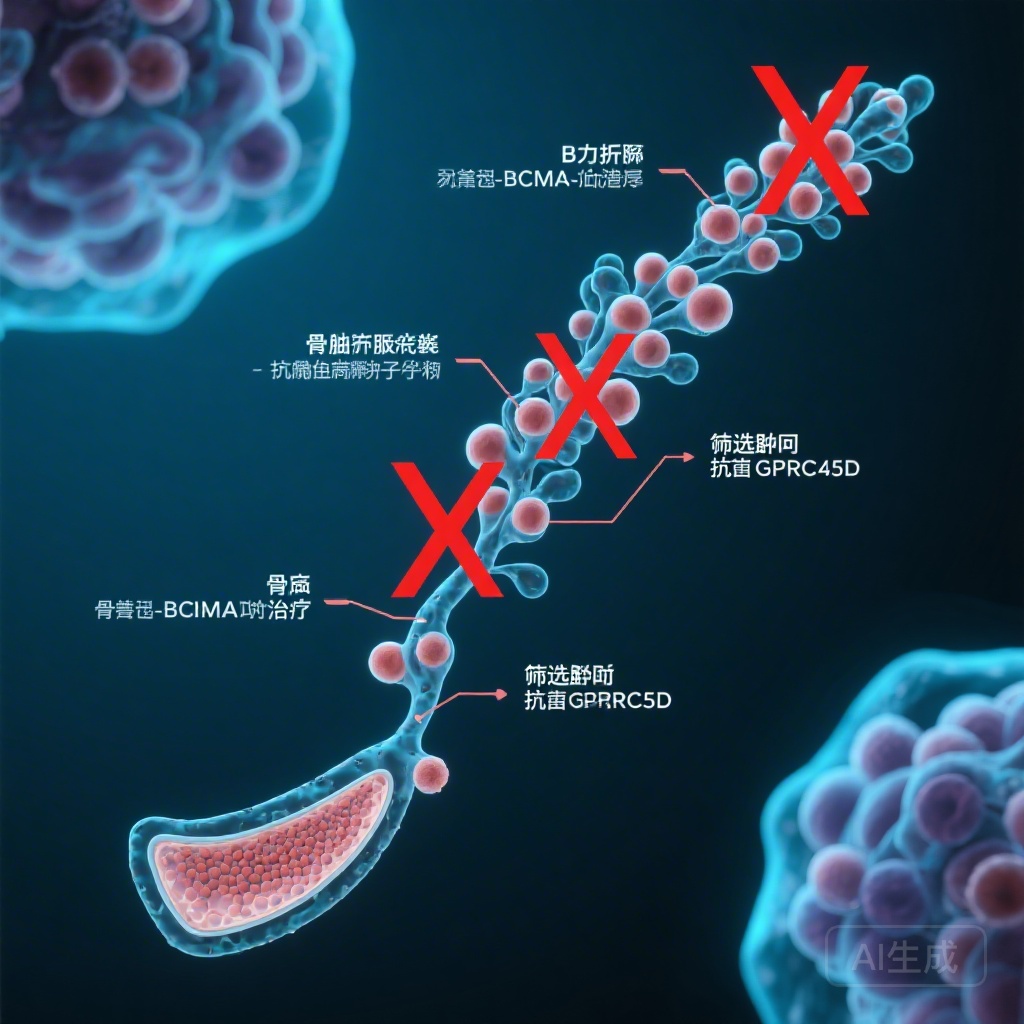
Ramantamig (JNJ-79635322), a trispecific antibody that engages BCMA, GPRC5D and CD3, demonstrates sub-nanomolar cytotoxicity, ex vivo depletion of patient plasma cells, and antitumor activity in xenograft models—supporting ongoing phase 1 trials in relapsed/refractory multiple myeloma.
Belantamab Mafodotin Plus Bortezomib and Dexamethasone Significantly Improves Overall Survival in Relapsed/Refractory Multiple Myeloma: Updated DREAMM-7 Results

Belantamab Mafodotin Plus Bortezomib and Dexamethasone Significantly Improves Overall Survival in Relapsed/Refractory Multiple Myeloma: Updated DREAMM-7 Results

The DREAMM-7 phase 3 trial shows that belantamab mafodotin combined with bortezomib and dexamethasone produces early, sustained, and statistically significant overall survival and deep, durable responses versus daratumumab-based therapy in relapsed/refractory multiple myeloma.
Optimizing Treatment in Frail Elderly with Newly Diagnosed Multiple Myeloma: Insights from the IFM2017-03 Trial on Dexamethasone-Sparing Daratumumab and Lenalidomide Regimen

Optimizing Treatment in Frail Elderly with Newly Diagnosed Multiple Myeloma: Insights from the IFM2017-03 Trial on Dexamethasone-Sparing Daratumumab and Lenalidomide Regimen

The IFM2017-03 phase 3 trial demonstrates that a dexamethasone-sparing regimen combining daratumumab with lenalidomide markedly improves progression-free survival in frail elderly multiple myeloma patients, without increasing serious adverse events.
Busulfan-Melphalan Conditioning Enhances Outcomes in Newly Diagnosed Multiple Myeloma with Reinforced VRD: Insights from the Phase 3 GEM12 Trial

Busulfan-Melphalan Conditioning Enhances Outcomes in Newly Diagnosed Multiple Myeloma with Reinforced VRD: Insights from the Phase 3 GEM12 Trial

The phase 3 GEM12 trial compares busulfan-melphalan versus melphalan conditioning in ASCT for newly diagnosed multiple myeloma, showing longer PFS with busulfan-melphalan after intensified VRD induction and consolidation, especially in advanced ISS stages and select genetic subgroups.