Skip to content
medxy logo Medxy AI
  • Specialties
    • Allergy & Immunology
    • Anesthesiology
    • Cardiology
    • Critical Care
    • Dermatology
    • Diabetes & Endocrinology
    • Emergency Medicine
    • Family Medicine & Nutrition
    • Gastroenterology
    • General Surgery
    • Hematology-Oncology
    • HIV/AIDS
    • Infectious Diseases
    • Internal Medicine
    • Nephrology
    • Neurology
    • Nursing & care
    • OB/GYN & Women’s Health
    • Oncology
    • Ophthalmology
    • Orthopedics
    • Otorhinolaryngology
    • Pathology & Lab Medicine
    • Pediatrics
    • Plastic Surgery
    • Psychiatry
    • Public Health
    • Radiology
    • Respiratory
    • Rheumatology
    • Urology
  • Clinical Updates
  • Medical News
  • iDoctor
  • Specialties
    • Allergy & Immunology
    • Anesthesiology
    • Cardiology
    • Critical Care
    • Dermatology
    • Diabetes & Endocrinology
    • Emergency Medicine
    • Family Medicine & Nutrition
    • Gastroenterology
    • General Surgery
    • Hematology-Oncology
    • HIV/AIDS
    • Infectious Diseases
    • Internal Medicine
    • Nephrology
    • Neurology
    • Nursing & care
    • OB/GYN & Women’s Health
    • Oncology
    • Ophthalmology
    • Orthopedics
    • Otorhinolaryngology
    • Pathology & Lab Medicine
    • Pediatrics
    • Plastic Surgery
    • Psychiatry
    • Public Health
    • Radiology
    • Respiratory
    • Rheumatology
    • Urology
  • Clinical Updates
  • Medical News
  • iDoctor
  • facebook.com
  • twitter.com
  • t.me
  • instagram.com
  • youtube.com
Subscribe
  • Home
  • LDL-C
Pushing the Limits: Very Low LDL-C Levels Below 40 mg/dL Proven Safe and Effective for Secondary Stroke Prevention

Posted inNeurology news

Pushing the Limits: Very Low LDL-C Levels Below 40 mg/dL Proven Safe and Effective for Secondary Stroke Prevention

Posted by MedXY By MedXY 01/17/2026
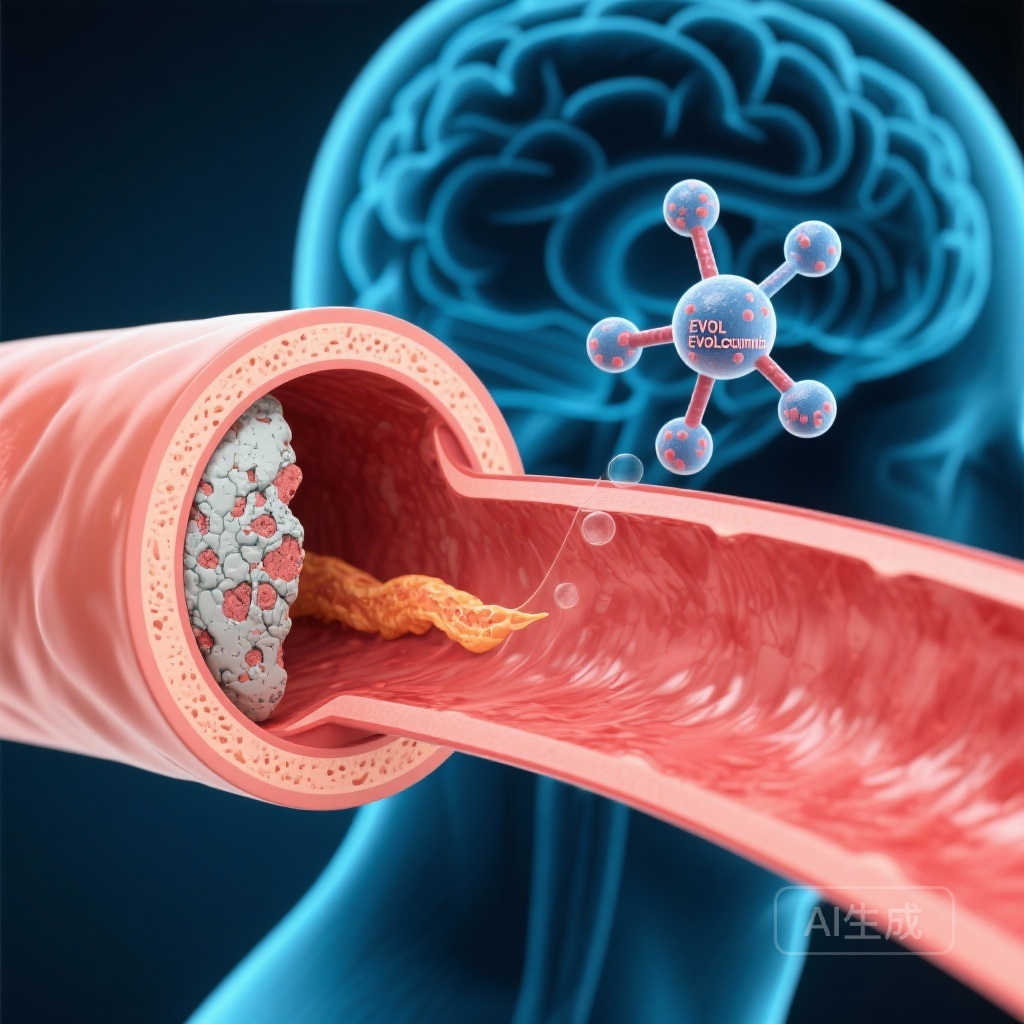
A long-term analysis of the FOURIER trials reveals that achieving ultra-low LDL-C levels (<40 mg/dL) significantly reduces recurrent stroke and major cardiovascular events in stroke survivors, without increasing hemorrhagic stroke risk, supporting more aggressive lipid-lowering targets in clinical practice.
Read More
Elevated LDL-C Increases Cardiovascular Risk in Symptomatic Patients Despite a Coronary Calcium Score of Zero
Posted inCardiology news Radiology

Elevated LDL-C Increases Cardiovascular Risk in Symptomatic Patients Despite a Coronary Calcium Score of Zero

Posted by MedXY By MedXY 01/03/2026
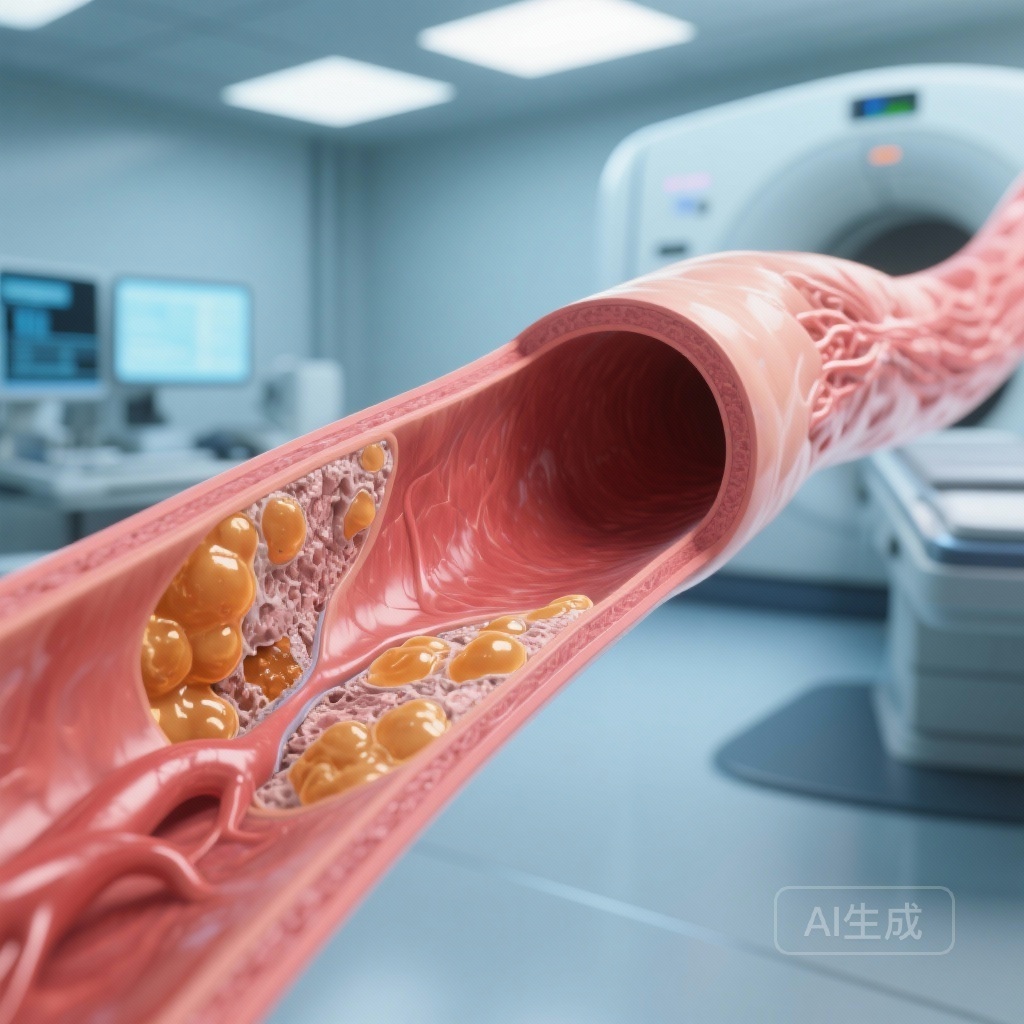
A large-scale cohort study from the Western Denmark Heart Registry demonstrates that high LDL-C remains a significant predictor of non-calcified plaque and coronary heart disease events in patients with a CAC score of zero, particularly among those aged 45 and younger.
Read More
Aggressive LDL-C Lowering Mitigates Neoatherosclerosis Risk: Insights from the CONNECT Trial
Posted inCardiology Internal Medicine news

Aggressive LDL-C Lowering Mitigates Neoatherosclerosis Risk: Insights from the CONNECT Trial

Posted by MedXY By MedXY 12/24/2025
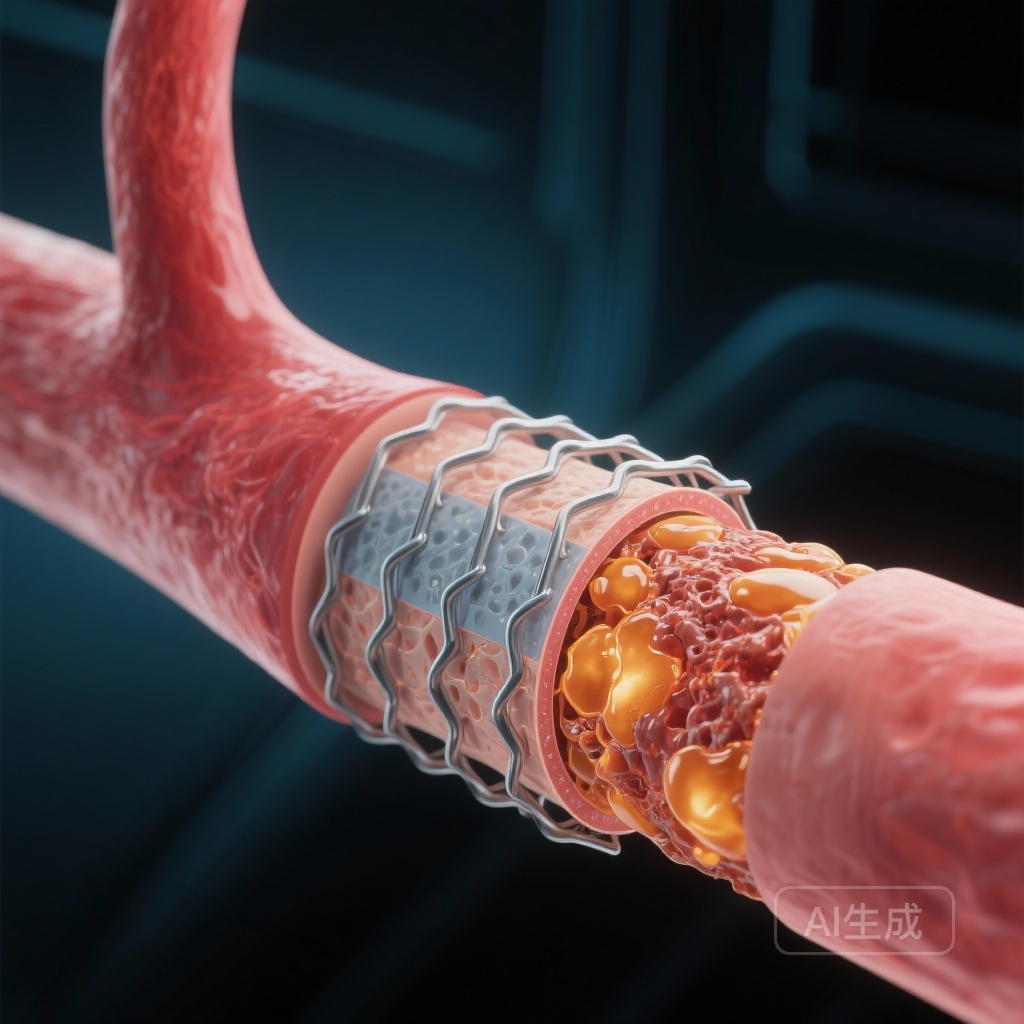
This secondary analysis of the CONNECT trial demonstrates that achieving guideline-endorsed LDL-C levels significantly lowers the risk of neoatherosclerosis three years post-DES implantation in STEMI patients, underscoring the vital role of aggressive lipid management in secondary prevention.
Read More
Oral PCSK9 Inhibitor Enlicitide Produces ~58% LDL‑C Reduction in Heterozygous Familial Hypercholesterolemia: A Phase 3 Randomized Trial
Posted inCardiology news

Oral PCSK9 Inhibitor Enlicitide Produces ~58% LDL‑C Reduction in Heterozygous Familial Hypercholesterolemia: A Phase 3 Randomized Trial

Posted by MedXY By MedXY 11/10/2025
In adults with heterozygous familial hypercholesterolemia on statin therapy, oral enlicitide decanoate reduced LDL‑C by ~58% at 24 weeks versus placebo and was well tolerated through 52 weeks.
Read More
Inclisiran Shows Promise for Adolescents with Homozygous Familial Hypercholesterolemia: Results from the ORION-13 Trial
Posted inCardiology Specialties

Inclisiran Shows Promise for Adolescents with Homozygous Familial Hypercholesterolemia: Results from the ORION-13 Trial

Posted by MedXY By MedXY 08/17/2025
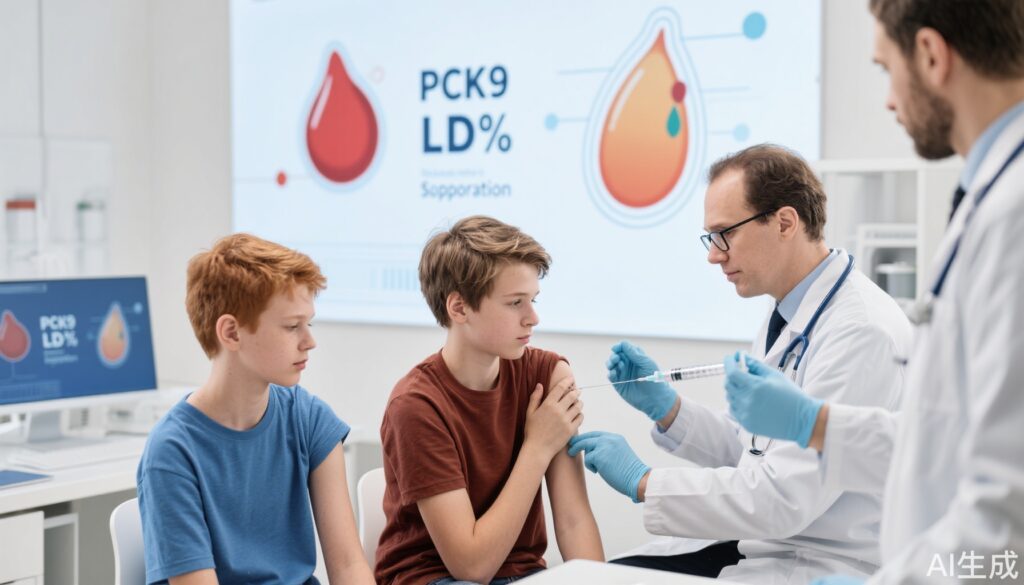
The ORION-13 trial demonstrates that inclisiran significantly lowers LDL cholesterol by 33.3% and is safe and well tolerated in adolescents with homozygous familial hypercholesterolemia, addressing an unmet pediatric treatment need.
Read More
  • Early Pregnancy Matters: PM2.5 Exposure Linked to Reduced Birth Weight in Large-Scale ECHO Cohort
  • Neurofilament Light Chain: A High-Performance Biomarker for Differentiating bvFTD from Primary Psychiatric Disorders
  • LOAD Polygenic Risk in Early-Onset Alzheimer’s: Insights into Synaptic Dysfunction and Amyloid Pathophysiology
  • Polygenic Risk Scores Reveal the Complex Interplay Between Genetic Liability, Aggression, and Childhood Trauma in Suicidal Behavior
  • Systemic Vulnerability: Why Youths with Prior Out-of-Home Placement Face Longer ED Stays and Higher Restraint Rates
  • About us
  • Contact us
  • MedXY story
  • Privacy Policy
  • Subscribe Now!
  • 账号

  • English
  • 日本語
  • Tiếng Việt
  • 中文

Alzheimer's disease artificial intelligence atrial fibrillation biomarkers breast cancer Cardiology cardiovascular disease cardiovascular health cardiovascular risk chronic kidney disease clinical trial clinical trials critical care depression diabetes epidemiology exercise health heart failure Hypertension immunotherapy inflammation MASLD mental health metformin Mortality nutrition obesity older adults oncology Pediatrics Physical Activity precision medicine Pregnancy prevention prostate cancer public health randomized clinical trial randomized trial SGLT2 inhibitors stroke targeted therapy type 2 diabetes weight loss women's health

Your health, we care

Copyright 2026 — Medxy AI. All rights reserved.
Scroll to Top
Sign in