Integrated Multidisciplinary Care Slashes Radiotherapy Interruptions in Head and Neck Cancer: Results from the SHINE-MDT Randomized Trial

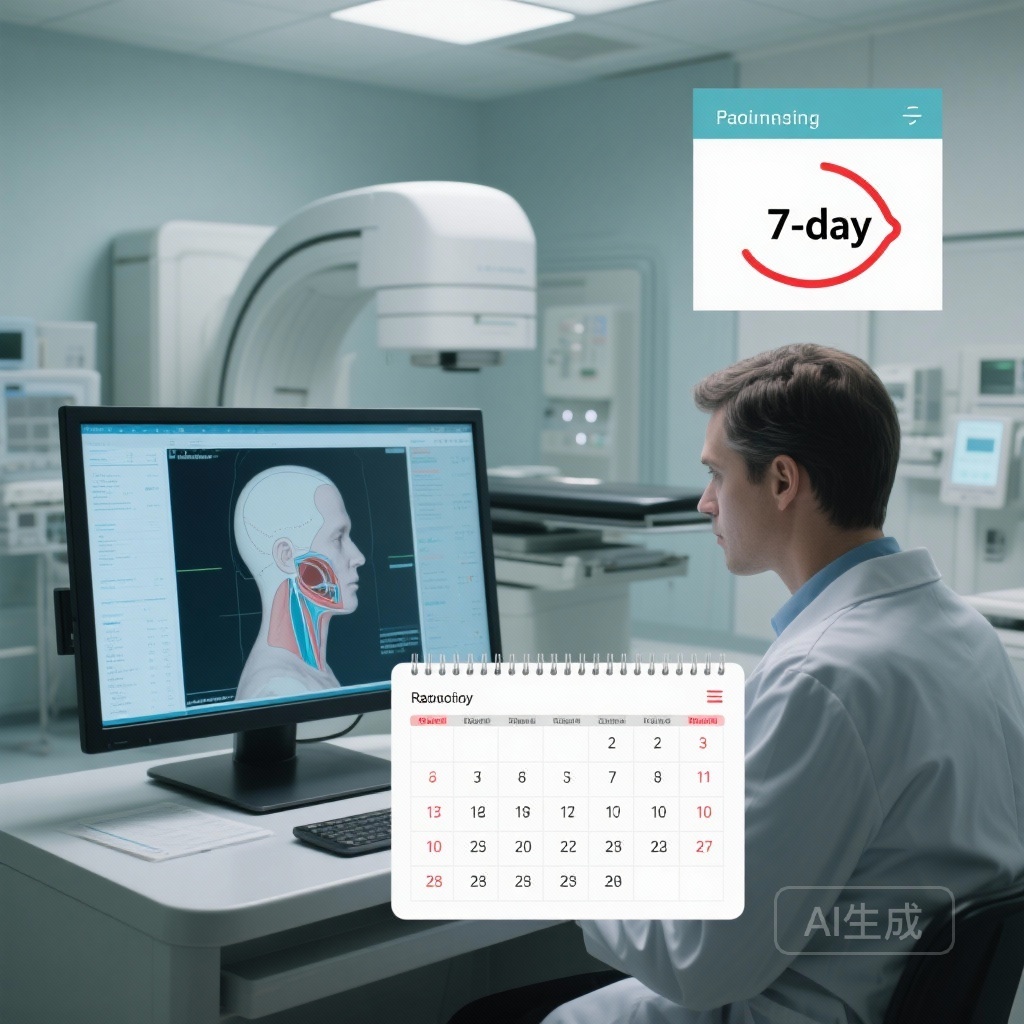
Integrated Multidisciplinary Care Slashes Radiotherapy Interruptions in Head and Neck Cancer: Results from the SHINE-MDT Randomized Trial

A randomized clinical trial demonstrates that the SHINE-MDT framework significantly reduces radiotherapy interruptions and improves nutritional, psychological, and quality-of-life outcomes for patients with head and neck cancer, offering a new standard for holistic supportive care during intensive oncology treatments.
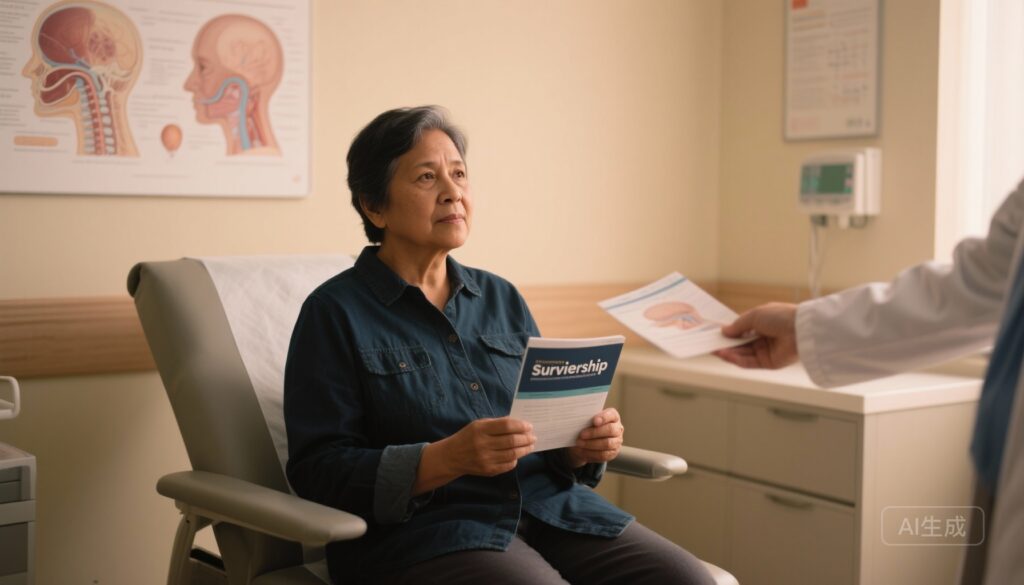
One in Three Head and Neck Cancer Survivors Still Have Supportive Care Needs at Five Years — Fear of Recurrence and Pain Drive Long-Term Demand

One in Three Head and Neck Cancer Survivors Still Have Supportive Care Needs at Five Years — Fear of Recurrence and Pain Drive Long-Term Demand

Longitudinal data from 403 head and neck cancer survivors show that while information and health-system needs decline between years 2 and 5, one-third report at least one moderate-to-high unmet supportive care need at year 5—notably fatigue and dry mouth—with fear of cancer recurrence and ongoing analgesic use being the strongest correlates.
Half of Long‑Term Head and Neck Cancer Survivors Report Unmet Supportive Care Needs — A Multinational Cohort Highlights Clinical and System Drivers

Half of Long‑Term Head and Neck Cancer Survivors Report Unmet Supportive Care Needs — A Multinational Cohort Highlights Clinical and System Drivers

A multinational cross‑sectional study of 1,097 head and neck cancer survivors >5 years after diagnosis found that ~50% report moderate‑to‑high unmet supportive care needs, driven by HNC‑specific, psychological and physical/daily living concerns and associated with personal, clinical, lifestyle and health‑system factors.
Neural Networks Predict Survival for Older Adults With Head and Neck Cancer — Useful, but Not Yet Practice-Changing

Neural Networks Predict Survival for Older Adults With Head and Neck Cancer — Useful, but Not Yet Practice-Changing

An international cohort study developed and externally validated artificial neural networks that stratify older adults with locoregionally advanced head and neck squamous cell carcinoma (HNSCC) treated with definitive chemoradiation. Models showed moderate discrimination (OS AUC 0.68, PFS AUC 0.64) with HPV status, kidney function, ECOG, and nodal stage among top predictors.