Pre-Meal Whey Protein: A Targeted Nutritional Intervention to Mitigate Postprandial Hyperglycemia in Gestational Diabetes

Pre-Meal Whey Protein: A Targeted Nutritional Intervention to Mitigate Postprandial Hyperglycemia in Gestational Diabetes

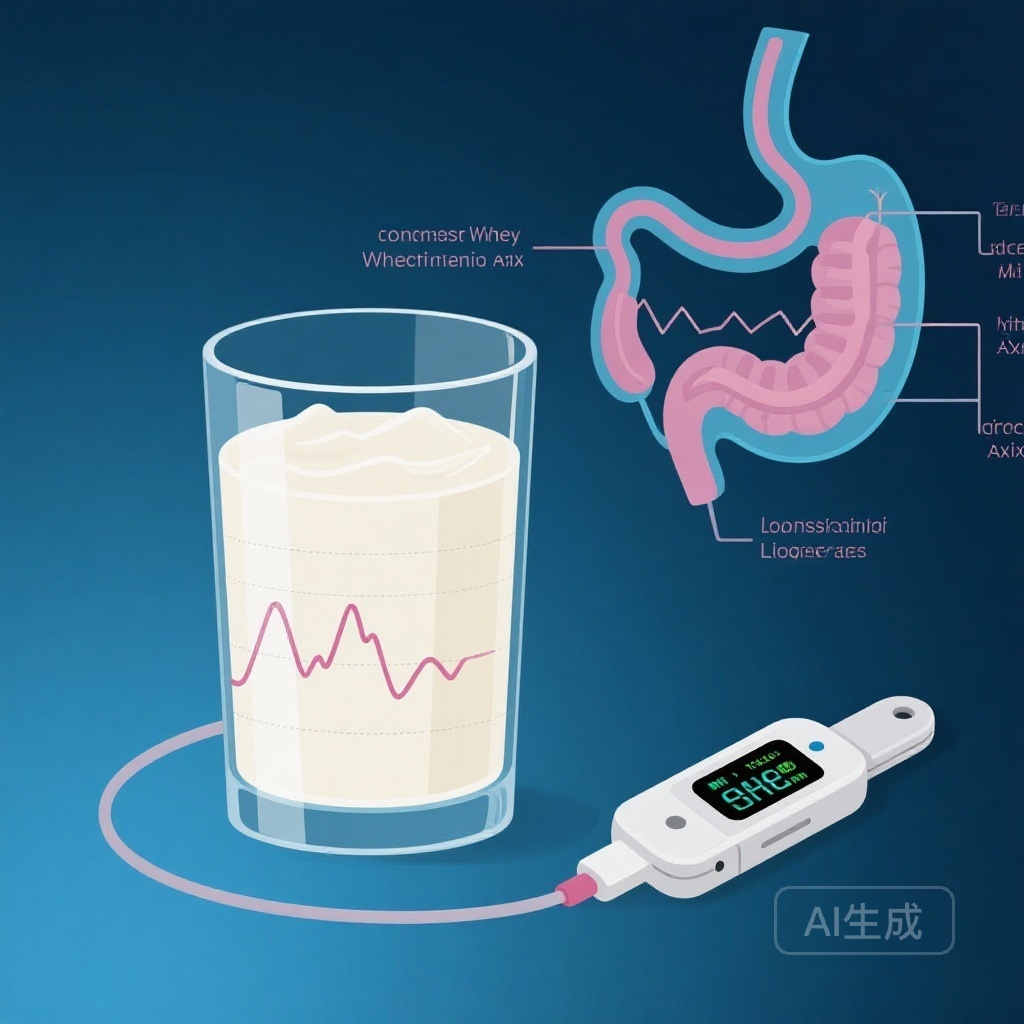
A randomized controlled trial demonstrates that a 20g whey protein pre-load 30 minutes before breakfast significantly reduces postprandial glucose excursions and glycemic variability in women with gestational diabetes throughout the third trimester, offering a promising non-pharmacological management strategy.
Dietary Inflammatory and Insulinemic Potentials Drive Type 2 Diabetes Progression Following Gestational Diabetes: Insights from the Nurses’ Health Study II

Dietary Inflammatory and Insulinemic Potentials Drive Type 2 Diabetes Progression Following Gestational Diabetes: Insights from the Nurses’ Health Study II

A prospective study of 4,318 women reveals that dietary patterns promoting inflammation and hyperinsulinemia significantly elevate the risk of progressing from gestational diabetes to type 2 diabetes, with BMI serving as a primary mediator of this metabolic transition.
Planetary Health Diet and Cardiometabolic Risk Reduction in Women with Gestational Diabetes: An Evidence-Based Review

Planetary Health Diet and Cardiometabolic Risk Reduction in Women with Gestational Diabetes: An Evidence-Based Review

This review synthesizes evidence linking adherence to the Planetary Health Diet with reduced risks of myocardial infarction, type 2 diabetes, and improved weight management in women post-gestational diabetes, highlighting BMI's mediating role.
Increased Gestational Weight Gain and Adverse Pregnancy Outcomes After Stopping GLP‑1 Receptor Agonists Prior to or in Early Pregnancy

Increased Gestational Weight Gain and Adverse Pregnancy Outcomes After Stopping GLP‑1 Receptor Agonists Prior to or in Early Pregnancy

In a large retrospective cohort, women who discontinued GLP‑1 receptor agonists shortly before or during early pregnancy had greater gestational weight gain and higher risks of preterm birth, gestational diabetes, and hypertensive disorders compared with propensity‑matched unexposed pregnancies.
Prepregnancy Time-Restricted Eating and Exercise Training Do Not Improve Glycaemic Control in High-Risk Gestational Diabetes: Insights from the BEFORE THE BEGINNING Trial

Prepregnancy Time-Restricted Eating and Exercise Training Do Not Improve Glycaemic Control in High-Risk Gestational Diabetes: Insights from the BEFORE THE BEGINNING Trial

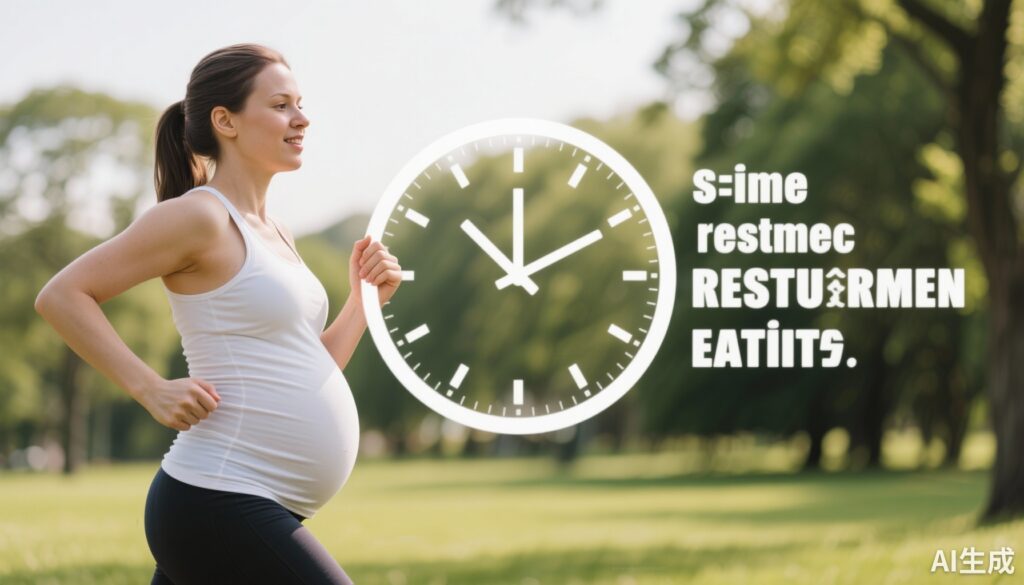
A randomized trial investigating time-restricted eating and exercise before and during pregnancy found no significant improvement in glucose tolerance at 28 weeks gestation among individuals at elevated risk of gestational diabetes.