
Skip to content
medxy logo Medxy AI
  • Specialties
    • Allergy & Immunology
    • Anesthesiology
    • Cardiology
    • Critical Care
    • Dermatology
    • Diabetes & Endocrinology
    • Emergency Medicine
    • Family Medicine & Nutrition
    • Gastroenterology
    • General Surgery
    • Hematology-Oncology
    • HIV/AIDS
    • Infectious Diseases
    • Internal Medicine
    • Nephrology
    • Neurology
    • Nursing & care
    • OB/GYN & Women’s Health
    • Oncology
    • Ophthalmology
    • Orthopedics
    • Otorhinolaryngology
    • Pathology & Lab Medicine
    • Pediatrics
    • Plastic Surgery
    • Psychiatry
    • Public Health
    • Radiology
    • Respiratory
    • Rheumatology
    • Urology
  • Clinical Updates
  • Medical News
  • iDoctor
  • Specialties
    • Allergy & Immunology
    • Anesthesiology
    • Cardiology
    • Critical Care
    • Dermatology
    • Diabetes & Endocrinology
    • Emergency Medicine
    • Family Medicine & Nutrition
    • Gastroenterology
    • General Surgery
    • Hematology-Oncology
    • HIV/AIDS
    • Infectious Diseases
    • Internal Medicine
    • Nephrology
    • Neurology
    • Nursing & care
    • OB/GYN & Women’s Health
    • Oncology
    • Ophthalmology
    • Orthopedics
    • Otorhinolaryngology
    • Pathology & Lab Medicine
    • Pediatrics
    • Plastic Surgery
    • Psychiatry
    • Public Health
    • Radiology
    • Respiratory
    • Rheumatology
    • Urology
  • Clinical Updates
  • Medical News
  • iDoctor
  • facebook.com
  • twitter.com
  • t.me
  • instagram.com
  • youtube.com
Subscribe
  • Home
  • eating behaviors
Comparative Impact of 4:3 Intermittent Fasting Versus Daily Caloric Restriction on Eating Behaviors and Appetite Hormones Over 12 Months

Posted inFamily Medicine & Nutrition Internal Medicine news Specialties

Comparative Impact of 4:3 Intermittent Fasting Versus Daily Caloric Restriction on Eating Behaviors and Appetite Hormones Over 12 Months

Posted by MedXY By MedXY 08/18/2025
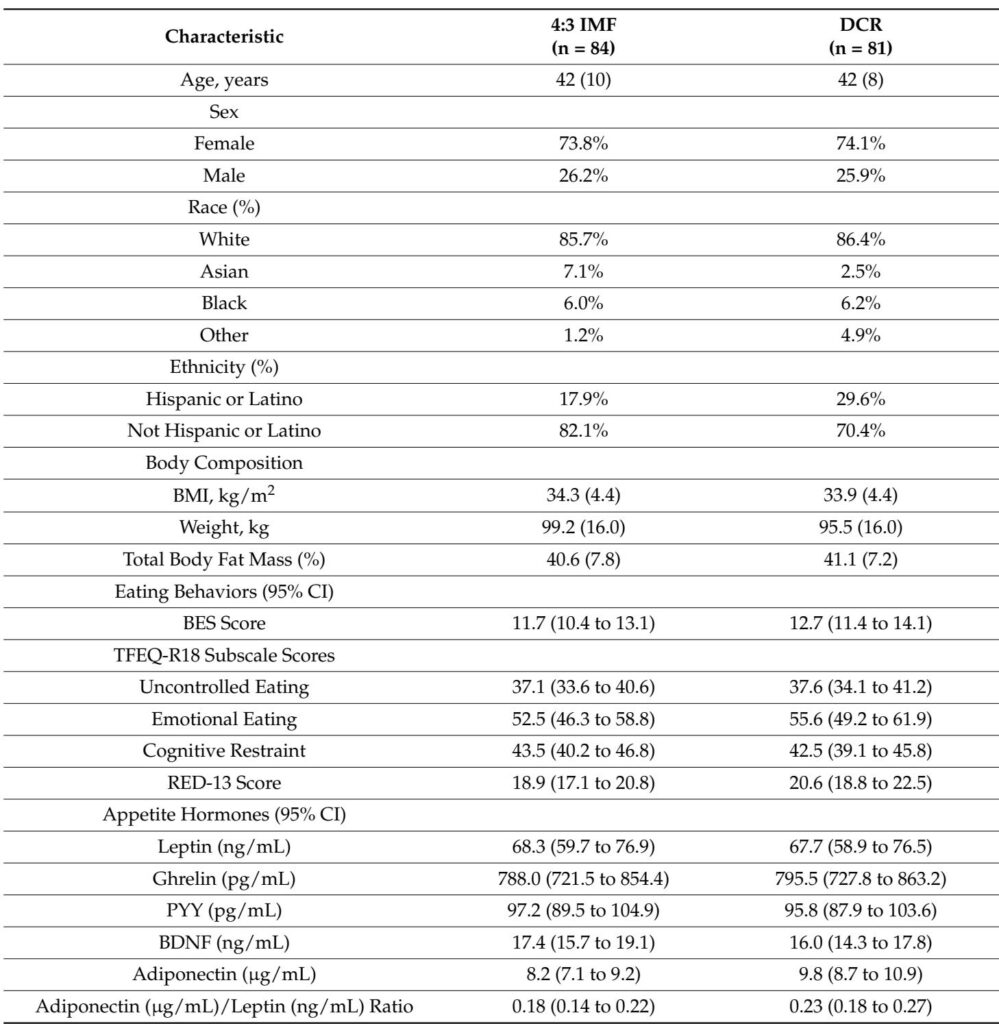
A 12-month trial reveals 4:3 intermittent fasting improves binge and uncontrolled eating behaviors more than daily caloric restriction, correlating with greater weight loss, while appetite hormone changes do not differ significantly between methods.
Read More
  • Beyond the Binary: The Evolving Consensus on the Spectrum of Primary Aldosteronism and Cardiovascular Risk
  • Preventive PCI for Non-Flow-Limiting Vulnerable Plaques: Paradigm Shift or Preemptive Risk?
  • Beyond Traditional Risk Factors: Deconstructing the Burden of Coronary Atherosclerosis in Liver Transplant Recipients
  • Understanding Scar Evolution: How Post-Ablation Cardiac MRI Predicts Long-Term Outcomes in Ventricular Tachycardia
  • Adjuvant Imatinib Significantly Extends Survival and Delays Recurrence in KIT Exon 9-Mutant GIST: Evidence from a Global Multicenter Cohort
  • About us
  • Contact us
  • MedXY story
  • Privacy Policy
  • Subscribe Now!
  • 账号

  • English
  • 日本語
  • Tiếng Việt
  • 中文

Alzheimer's disease artificial intelligence atrial fibrillation biomarkers breast cancer Cardiology cardiovascular disease cardiovascular health cardiovascular risk chronic kidney disease clinical trial clinical trials critical care depression diabetes epidemiology exercise health heart failure Hypertension immunotherapy inflammation MASLD mental health metformin Mortality nutrition obesity older adults oncology Pediatrics Physical Activity precision medicine Pregnancy prevention prostate cancer public health randomized clinical trial randomized trial SGLT2 inhibitors stroke targeted therapy type 2 diabetes weight loss women's health

Your health, we care

Copyright 2026 — Medxy AI. All rights reserved.
Scroll to Top
Sign in