A phase 2 trial found that induction targeted therapy with encorafenib and binimetinib before immune checkpoint inhibitors did not improve progression-free survival versus immune checkpoint inhibitors alone in advanced melanoma with BRAFV600E/K mutations.
A German phase 2/3 trial found oral doxycycline-hydroxychloroquine as effective and safe as standard intravenous ceftriaxone followed by oral trimethoprim-sulfamethoxazole for Whipple’s disease, potentially transforming outpatient management.
Relacorilant combined with nab-paclitaxel significantly improved progression-free and overall survival in platinum-resistant ovarian cancer, with a favorable safety profile, suggesting a potential new treatment standard.
Retifanlimab combined with carboplatin-paclitaxel significantly prolongs progression-free survival in advanced squamous cell anal cancer, offering a promising new first-line standard of care.
A 4-year phase 3 extension study shows that anifrolumab improves patient-reported outcomes and quality of life in systemic lupus erythematosus, with a favorable safety profile.
Semaglutide significantly reduced body weight without impacting psychotic symptoms or clozapine levels in people with schizophrenia and obesity on clozapine therapy.
The PASO-DOBLE trial demonstrated non-inferiority of dolutegravir/lamivudine versus bictegravir/FTC/TAF for maintenance in virologically suppressed HIV-1 adults, with similar efficacy and safety over 48 weeks.
The AVA-PED-301 phase 3b trial demonstrates avatrombopag’s efficacy and safety as an oral thrombopoietin receptor agonist for children and adolescents with persistent or chronic immune thrombocytopenia.
The CONTACT-02 phase 3 trial shows cabozantinib plus atezolizumab improves progression-free survival but not overall survival in advanced mCRPC post-ARPI, offering a novel non-androgen receptor-based option.
Amycretin, a new unimolecular GLP-1 and amylin agonist, demonstrated significant weight loss and acceptable tolerability in a phase 1b/2a study, underscoring its potential as an anti-obesity therapy.
Recent large RCTs show metformin does not improve survival or reduce metabolic syndrome risk in prostate cancer patients on ADT, though it modestly improves metabolic parameters.
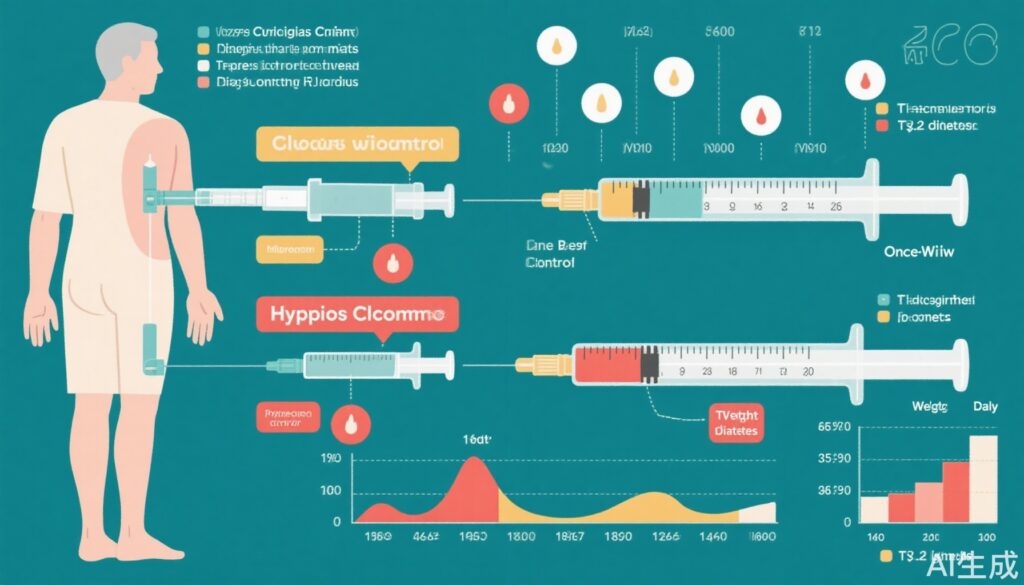
Once-weekly insulin regimens (IcoSema, efsitora alfa) demonstrate non-inferior glycemic control compared to daily injections in type 2 diabetes, with advantages in hypoglycemia risk, weight, and injection burden.
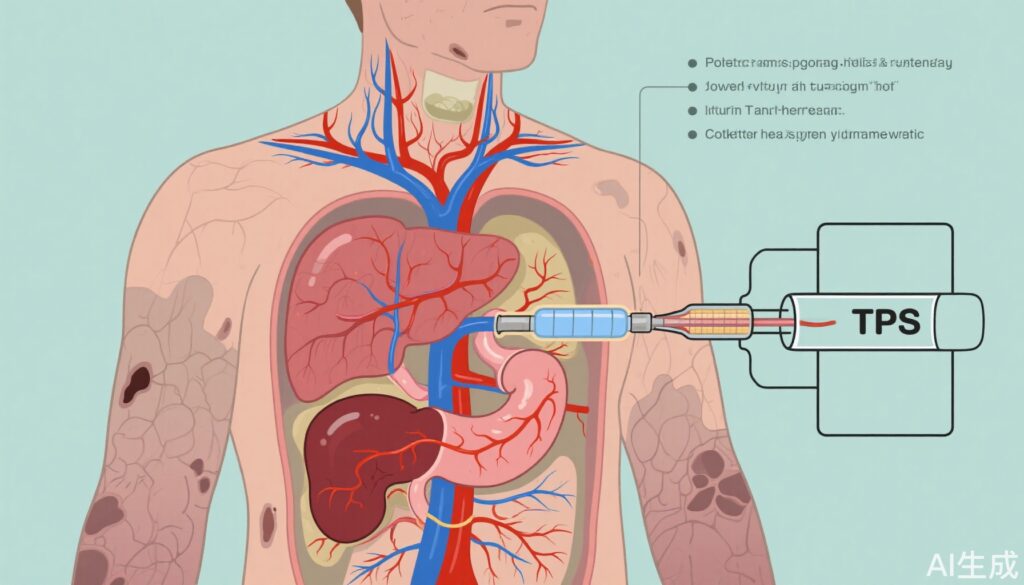
The GAVAPROSEC trial demonstrates that pre-emptive TIPS significantly reduces 1-year mortality and rebleeding in cirrhotic patients with acute fundal gastric variceal bleeding compared to glue obliteration plus NSBB.
Fenebrutinib, a selective BTK inhibitor, demonstrated significant reduction in new brain lesions and low relapse rates in relapsing multiple sclerosis, with a favorable safety profile in the FENopta phase 2 trial.
Oveporexton, an oral orexin receptor 2–selective agonist, demonstrated significant improvements in wakefulness and cataplexy in narcolepsy type 1 patients over 8 weeks, with manageable adverse events.
Tolebrutinib reduced disability progression in nonrelapsing secondary progressive MS but did not surpass teriflunomide in reducing relapse rates in relapsing MS. Safety signals include elevated liver enzymes and minor bleeding risks.
Sotatercept significantly reduces the risk of death, lung transplantation, or hospitalization in high-risk pulmonary arterial hypertension patients, marking a major advance in the management of this life-threatening disease.
A landmark trial shows that omitting regional nodal irradiation after neoadjuvant chemotherapy in breast cancer patients with ypN0 status does not compromise recurrence or survival outcomes.