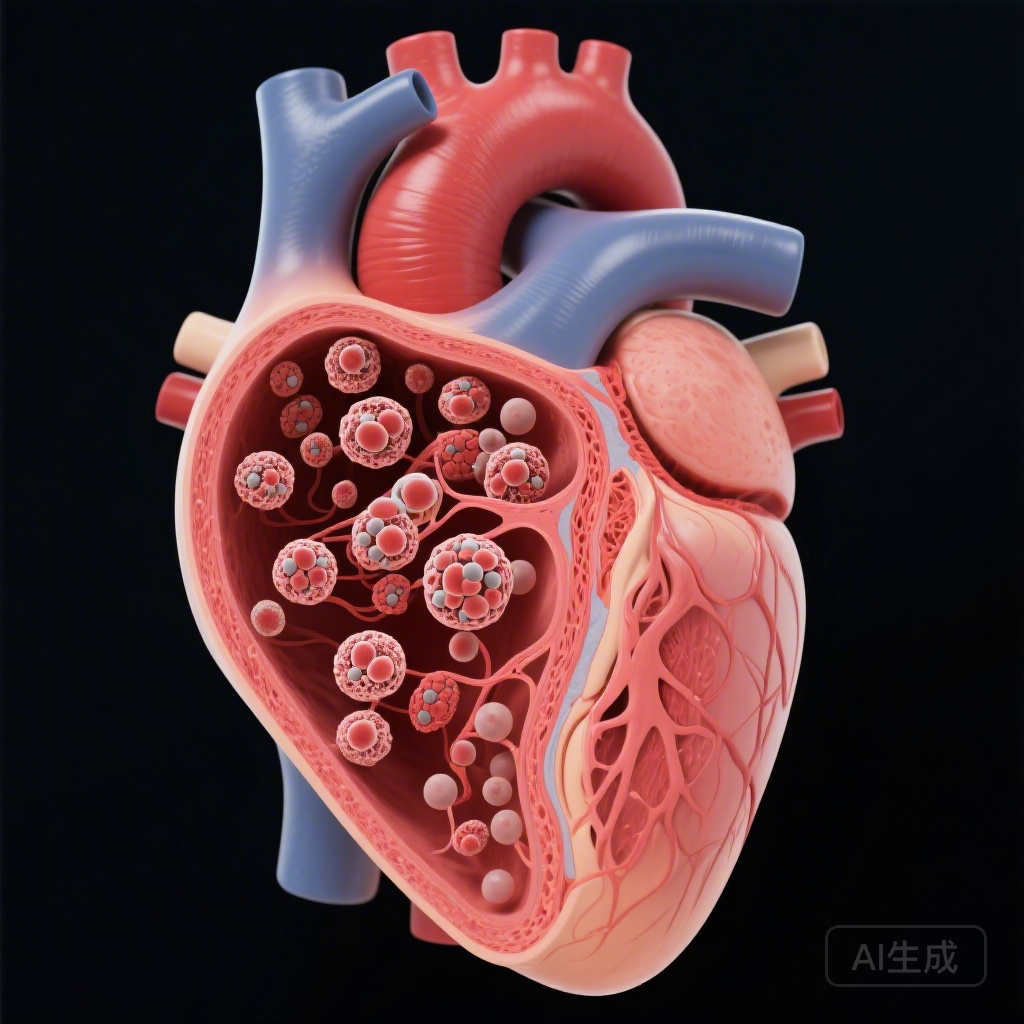
The Price of Time: 20-Year Study Reveals Pre-Hospital Delay as a Critical Driver of STEMI Mortality

The Price of Time: 20-Year Study Reveals Pre-Hospital Delay as a Critical Driver of STEMI Mortality

A 20-year analysis of 89,155 patients from the SWEDEHEART registry confirms that pre-hospital delay independently predicts short- and long-term mortality. Despite advances in reperfusion, women, elderly patients, and those with diabetes consistently experience significantly longer delays, highlighting a critical need for targeted public health interventions.
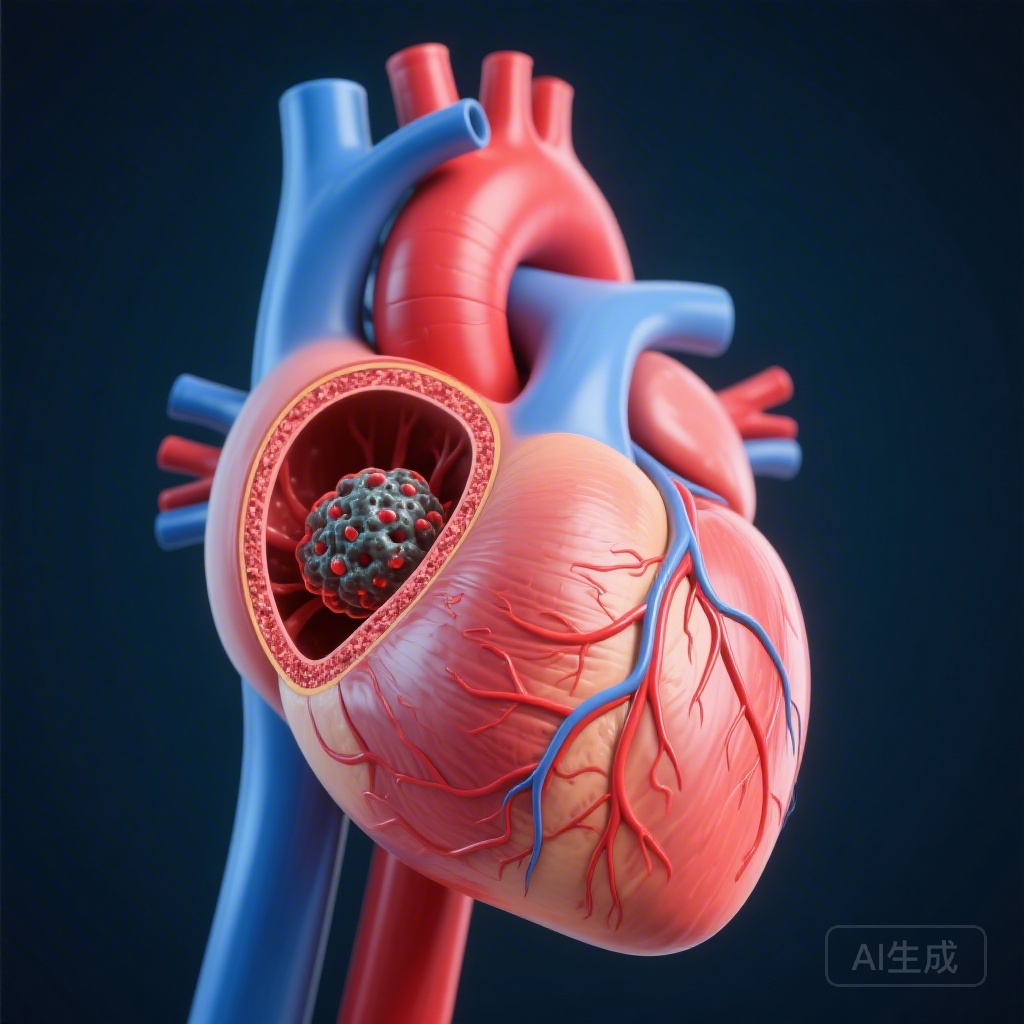
Guided Antiplatelet De-escalation Proves Safe in High Atherothrombotic Risk ACS Patients: Insights from TROPICAL-ACS

Guided Antiplatelet De-escalation Proves Safe in High Atherothrombotic Risk ACS Patients: Insights from TROPICAL-ACS

Post-hoc analysis of the TROPICAL-ACS trial demonstrates that platelet function testing-guided de-escalation of dual antiplatelet therapy from prasugrel to clopidogrel is safe and effective in ACS patients, regardless of their atherothrombotic risk profile, offering a viable strategy for individualized care.
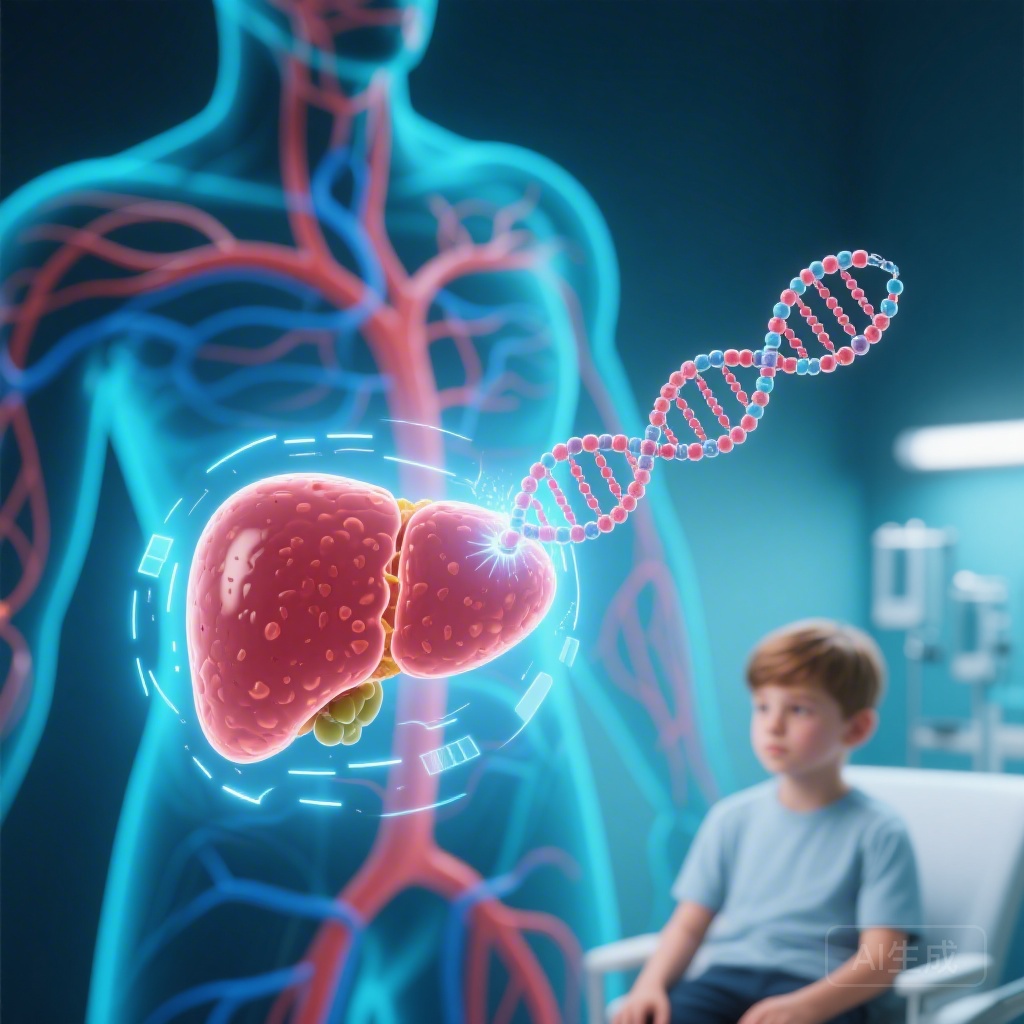
N-Palmitoyl Glutamine: A Novel Molecular Link Between Exercise, Mitochondrial Efficiency, and Human Longevity

N-Palmitoyl Glutamine: A Novel Molecular Link Between Exercise, Mitochondrial Efficiency, and Human Longevity

A groundbreaking study identifies N-palmitoyl glutamine (NPG) as a key molecular transducer of cardiorespiratory fitness. NPG correlates with VO2max, increases with exercise training, predicts lower mortality, and directly enhances mitochondrial function, offering a potential therapeutic target for cardiometabolic health.
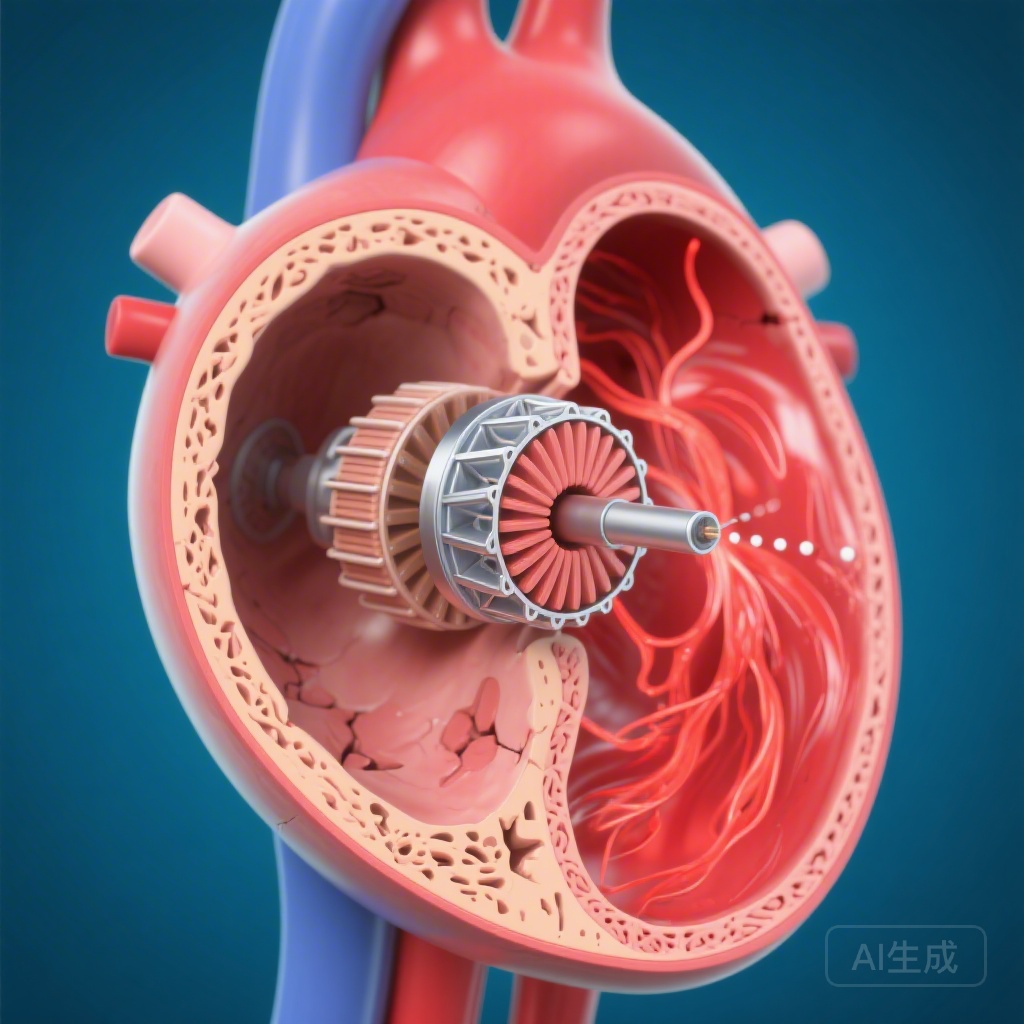
Mavacamten Significantly Reduces Myocardial Stress and Injury in Nonobstructive HCM: Insights From the ODYSSEY-HCM Trial

Mavacamten Significantly Reduces Myocardial Stress and Injury in Nonobstructive HCM: Insights From the ODYSSEY-HCM Trial

While the ODYSSEY-HCM trial missed its primary functional endpoints, a new exploratory analysis reveals that mavacamten significantly reduces NT-proBNP and hs-cTnI levels in patients with nonobstructive hypertrophic cardiomyopathy, suggesting a potent biological effect on myocardial wall stress and chronic injury.