Cryoballoon Ablation Is Non‑Inferior to Radiofrequency for 1‑Year Arrhythmia Control in Persistent AF — but Left Atrium Shrinks Less: Insights from the CRRF‑PeAF Trial

Cryoballoon Ablation Is Non‑Inferior to Radiofrequency for 1‑Year Arrhythmia Control in Persistent AF — but Left Atrium Shrinks Less: Insights from the CRRF‑PeAF Trial

The randomized CRRF‑PeAF trial (n=499) found cryoballoon pulmonary vein isolation non‑inferior to radiofrequency ablation for 1‑year atrial tachyarrhythmia recurrence in persistent atrial fibrillation, but radiofrequency produced greater left atrial reverse remodelling.
Vernakalant Beats Procainamide for Rapid ED Cardioversion of Recent-Onset Atrial Fibrillation: Results from RAFF4

Vernakalant Beats Procainamide for Rapid ED Cardioversion of Recent-Onset Atrial Fibrillation: Results from RAFF4

The RAFF4 randomized trial found intravenous vernakalant superior to procainamide for rapid cardioversion of acute atrial fibrillation in the emergency department — higher conversion within 30 minutes, faster time to sinus rhythm, and fewer electrical cardioversions, with similar short-term safety.
Daily Caffeinated Coffee After Cardioversion Cuts Atrial Fibrillation Recurrence: Results from the DECAF Randomized Trial

Daily Caffeinated Coffee After Cardioversion Cuts Atrial Fibrillation Recurrence: Results from the DECAF Randomized Trial

The DECAF randomized trial found that encouraging caffeinated coffee consumption (≈1 cup/day) after successful cardioversion reduced clinically detected AF/flutter recurrence over 6 months versus caffeine abstinence (47% vs 64%; HR 0.61). Results challenge routine caffeine restriction in AF patients but require confirmation and contextualization.
Does Anticoagulation After Successful AF Ablation Matter? The OCEAN Trial Shows No Clear Advantage of Rivaroxaban over Aspirin

Does Anticoagulation After Successful AF Ablation Matter? The OCEAN Trial Shows No Clear Advantage of Rivaroxaban over Aspirin

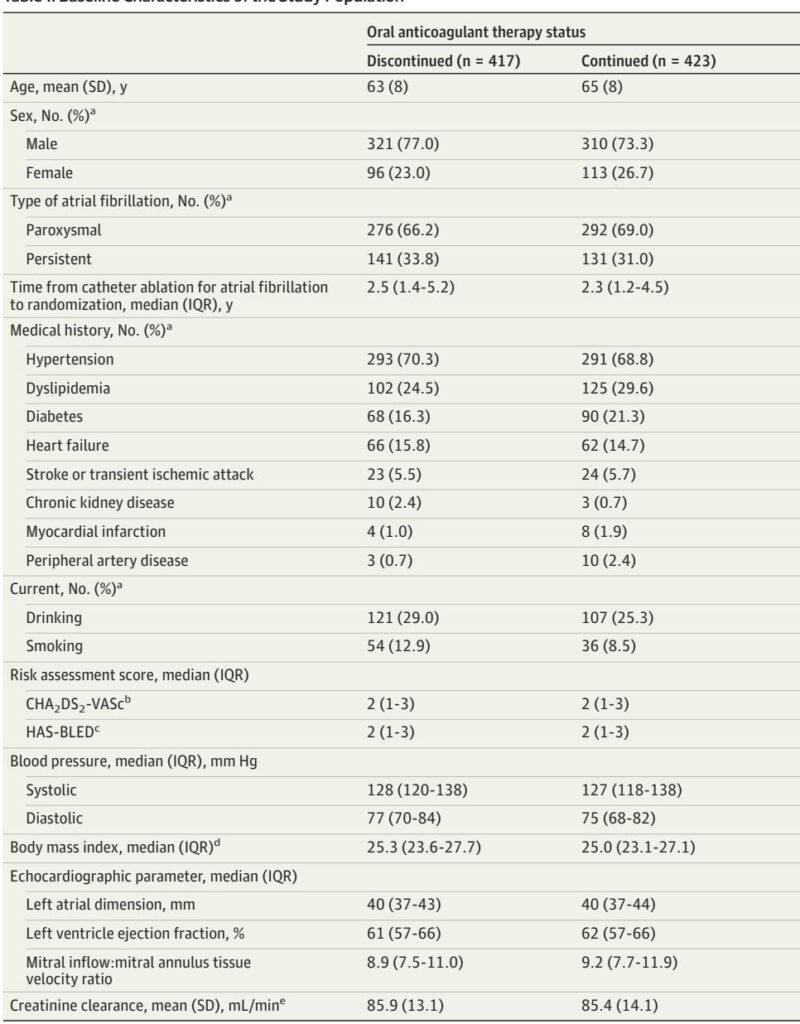
In patients who underwent successful catheter ablation for atrial fibrillation at least one year earlier, rivaroxaban did not significantly reduce the composite of clinical or covert embolic stroke compared with aspirin over 3 years, while numerically more major bleeding occurred with rivaroxaban.
Mitochondrial Calcium Deficit Links Structural Remodeling to Atrial Fibrillation — and an Old Cholesterol Drug, Ezetimibe, Shows Unexpected Anti‑AF Potential

Mitochondrial Calcium Deficit Links Structural Remodeling to Atrial Fibrillation — and an Old Cholesterol Drug, Ezetimibe, Shows Unexpected Anti‑AF Potential

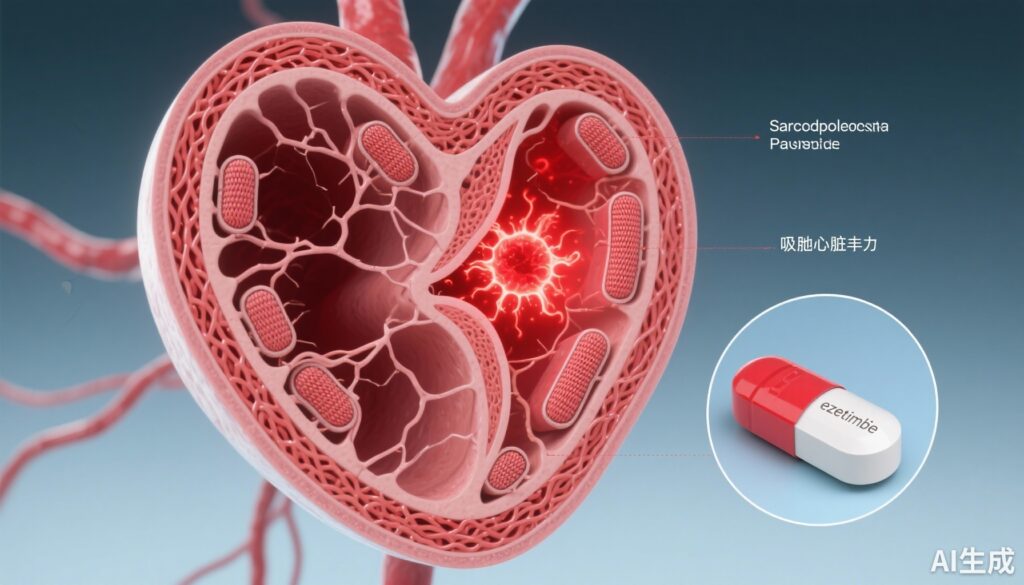
New human tissue and cellular data implicate impaired mitochondrial Ca2+ uptake, structural uncoupling of sarcoplasmic reticulum–mitochondria contacts, and oxidative stress in atrial fibrillation (AF); ezetimibe restored mitochondrial Ca2+ handling and reduced AF burden in exploratory analyses.