AI-Driven Detection of Extranodal Extension Outperforms Radiologists in Predicting Outcomes for HPV-Positive Oropharyngeal Cancer

AI-Driven Detection of Extranodal Extension Outperforms Radiologists in Predicting Outcomes for HPV-Positive Oropharyngeal Cancer

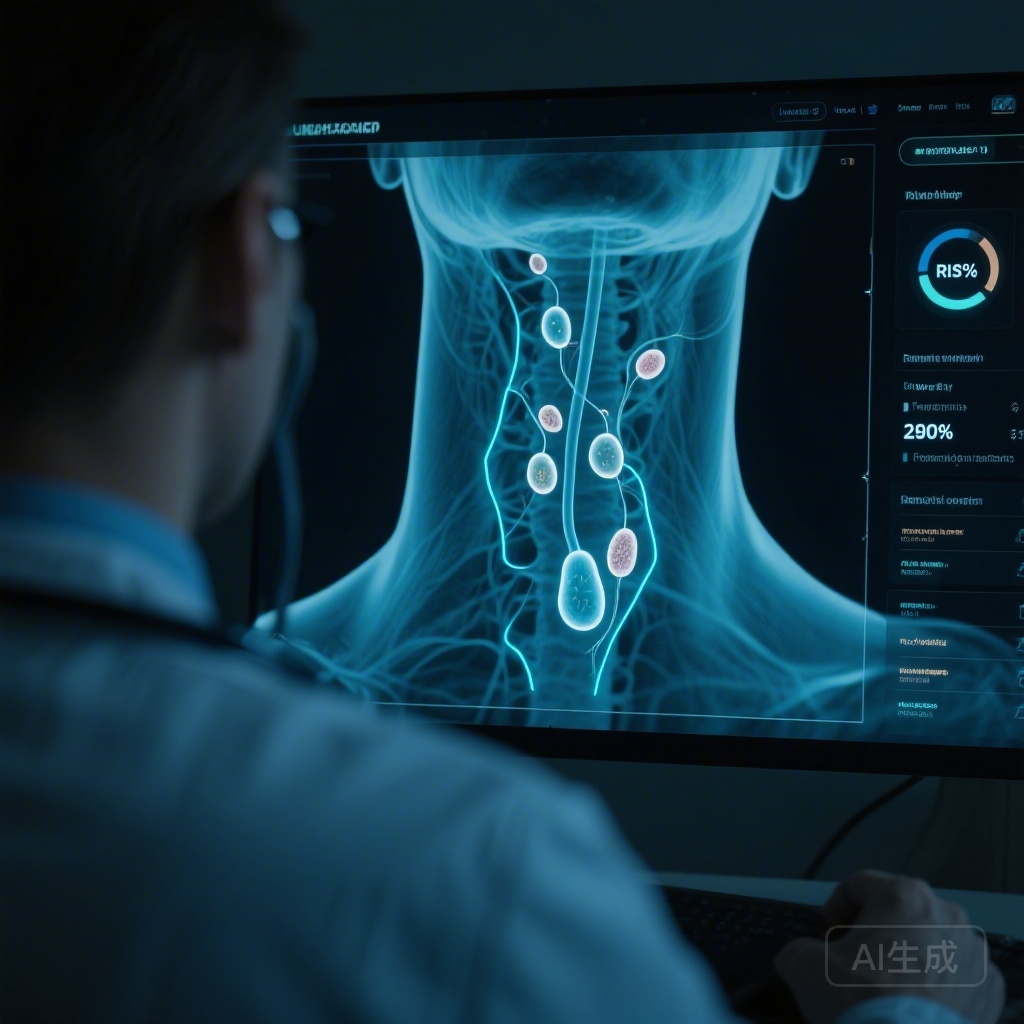
A single-center study demonstrates that an AI pipeline for CT-based lymph node segmentation and extranodal extension classification significantly improves prognostic accuracy for HPV-positive oropharyngeal cancer compared to traditional radiological assessment, identifying high-risk patients more effectively.
AI-Based OCT Analysis Outperforms Human Experts in Predicting Outcomes from Non-Culprit Lesions: Insights from the PECTUS-AI Study

AI-Based OCT Analysis Outperforms Human Experts in Predicting Outcomes from Non-Culprit Lesions: Insights from the PECTUS-AI Study

The PECTUS-AI study demonstrates that AI-based identification of thin-cap fibroatheromas using OCT provides superior prognostic value for cardiovascular events compared to manual analysis, particularly when assessing the entire imaged coronary segment, offering a standardized approach to identifying high-risk patients.
Dynamic Phenotyping in ARDS: AI-Driven Insights Reveal Why Corticosteroid Benefits Depend on Inflammatory State

Dynamic Phenotyping in ARDS: AI-Driven Insights Reveal Why Corticosteroid Benefits Depend on Inflammatory State

A groundbreaking study utilizing an AI classifier demonstrates that ARDS inflammatory phenotypes are dynamic and dictate corticosteroid efficacy. While hyperinflammatory patients benefit from steroids, hypoinflammatory patients face increased mortality, necessitating real-time phenotypic monitoring to optimize critical care interventions.
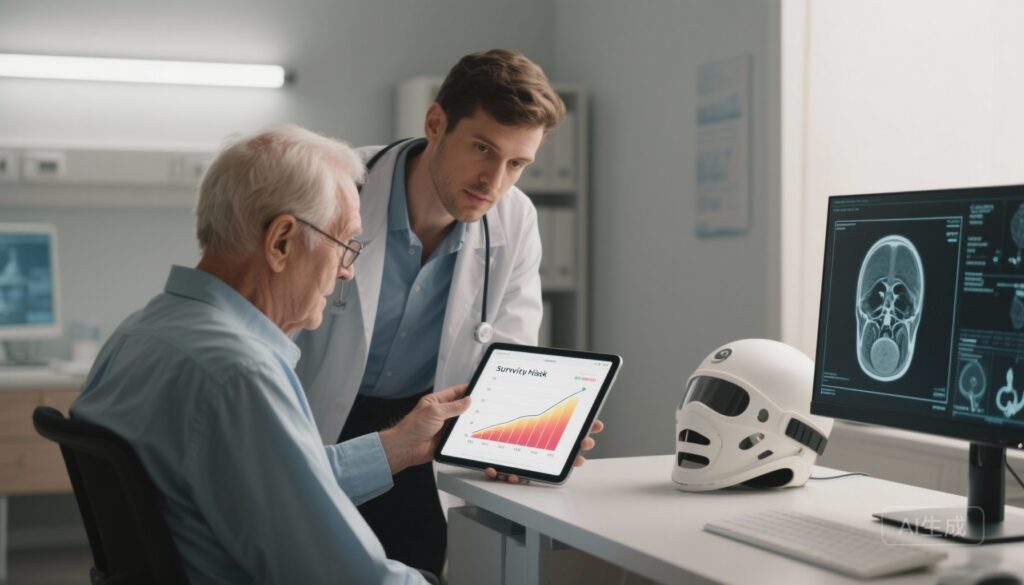
Neural Networks Predict Survival for Older Adults With Head and Neck Cancer — Useful, but Not Yet Practice-Changing

Neural Networks Predict Survival for Older Adults With Head and Neck Cancer — Useful, but Not Yet Practice-Changing

An international cohort study developed and externally validated artificial neural networks that stratify older adults with locoregionally advanced head and neck squamous cell carcinoma (HNSCC) treated with definitive chemoradiation. Models showed moderate discrimination (OS AUC 0.68, PFS AUC 0.64) with HPV status, kidney function, ECOG, and nodal stage among top predictors.
Evaluating AI-Led vs Human-Led Lifestyle Interventions in Prediabetes: Evidence from a Randomized Clinical Trial of the Diabetes Prevention Program

Evaluating AI-Led vs Human-Led Lifestyle Interventions in Prediabetes: Evidence from a Randomized Clinical Trial of the Diabetes Prevention Program

This review examines the first phase 3 randomized trial demonstrating that an AI-powered Diabetes Prevention Program lifestyle intervention is noninferior to human coaching in improving weight loss, HbA1c, and physical activity among adults with prediabetes and overweight or obesity.
Artificial Intelligence in Imaging-Based Extranodal Extension Detection: Advancing Prognostication in HPV-Positive Oropharyngeal Cancer

Artificial Intelligence in Imaging-Based Extranodal Extension Detection: Advancing Prognostication in HPV-Positive Oropharyngeal Cancer

An AI-driven model accurately detects imaging-based extranodal extension in HPV-positive oropharyngeal cancer from CT scans, improving outcome prediction beyond expert radiologist assessments and identifying patients at higher risk of poorer survival and recurrence.
Artificial Intelligence-Detected Tumor-Infiltrating Lymphocytes as a Biomarker in Anti-PD-1-Based Therapy for Advanced Melanoma: Clinical Evidence and Translational Perspectives

Artificial Intelligence-Detected Tumor-Infiltrating Lymphocytes as a Biomarker in Anti-PD-1-Based Therapy for Advanced Melanoma: Clinical Evidence and Translational Perspectives

AI-detected tumor-infiltrating lymphocytes on routine histology independently predict response and survival in advanced melanoma treated with anti-PD-1 therapies, outperforming manual scoring and offering an accessible biomarker for immune checkpoint inhibitor outcomes.