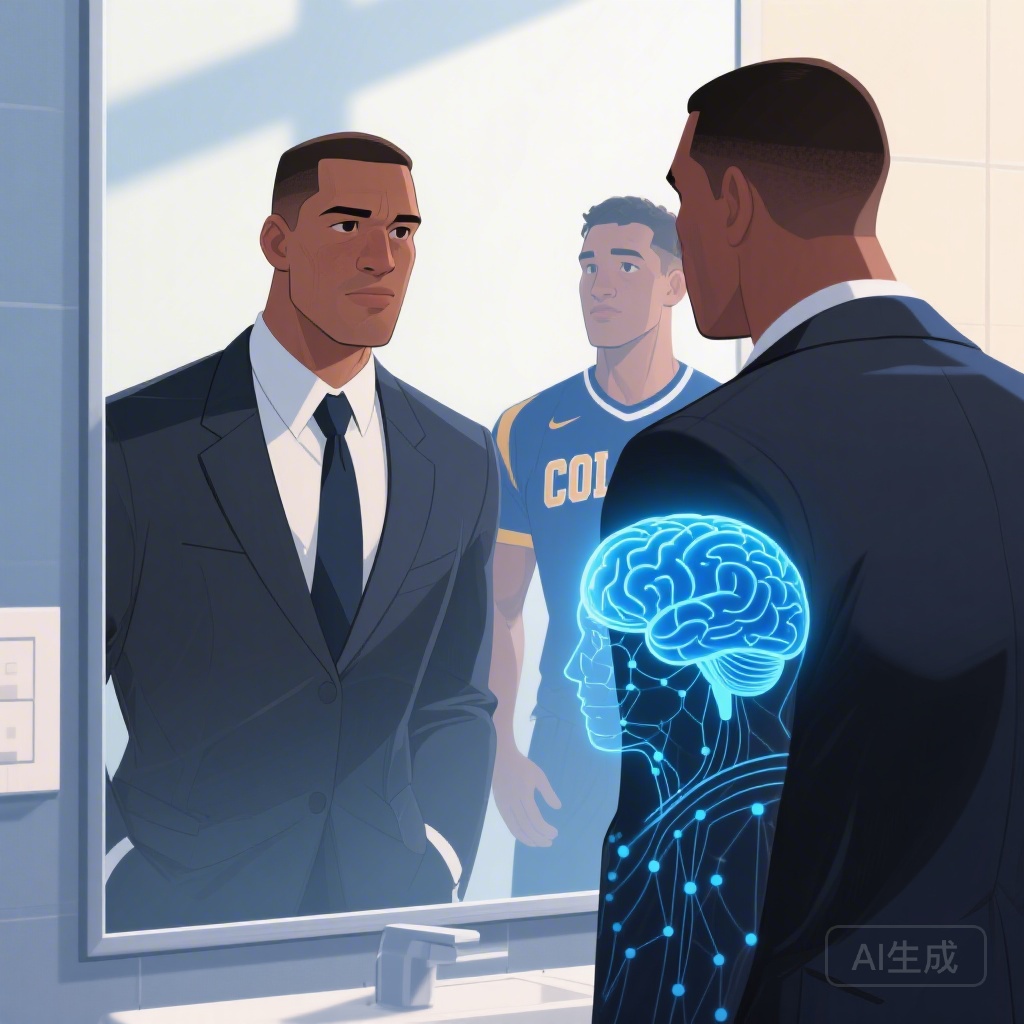
Introduction: The Transition from Collegiate Sports to Retirement
The transition from being a high-level collegiate athlete to a retired professional or working adult is a significant life milestone. While much focus is placed on the physical injuries that occur during active play, such as ligament tears or fractures, there is a growing concern regarding the long-term impact of head exposure and concussions. In particular, the period immediately following retirement—the first five years—is a critical window for understanding how these athletes adapt and whether the cumulative effects of their sports careers begin to manifest in their mental, physical, and cognitive health. The CARE (Concussion Assessment, Research and Education) Consortium study provides a deep dive into this transition, examining thousands of former athletes to identify how head exposure impacts their quality of life.
The Scope of the CARE Consortium Study
The CARE Consortium represents one of the largest and most comprehensive longitudinal studies of concussions and head exposure in athletes. By tracking individuals from their college years into their post-collegiate lives, researchers aim to bridge the gap between acute injury management and long-term neurological health. This specific study included 3,910 former collegiate student-athletes who were evaluated within five years of their graduation. The cohort was diverse, with a nearly equal split between male and female participants, and represented a wide range of sports, from high-contact football to non-contact swimming and track. This diversity allows for a more nuanced understanding of how different levels of exposure impact health outcomes.
Defining Head Exposure and Concussion History
To quantify the risk, the researchers categorized head exposure into three primary characteristics. First was the lifetime concussion history, categorized as 0, 1 to 2, or 3 or more concussions. Second was the sport contact classification, which grouped athletes into high-exposure (e.g., football, soccer, lacrosse), low-exposure (e.g., baseball, volleyball), and unexposed (e.g., cross country) categories. Third was the total years of sport participation, accounting for the cumulative time an athlete was active in competitive sports. By analyzing these three factors, the study aimed to determine which was the most significant predictor of future health issues.
Mental Health and Psychological Well-being
The findings regarding mental health were among the most striking. Athletes with a history of three or more concussions reported significantly higher scores for anxiety and depression compared to those with no history of concussion. The study utilized several standardized tools, including the Brief Symptom Inventory-18 (BSI-18) and the Patient Health Questionnaire (PHQ-9). Even athletes with only one or two concussions showed worse scores for general psychological distress and anxiety than their non-concussed peers. This suggests that even a low number of concussive events can have a lingering impact on emotional regulation and mental health stability as athletes move away from the structured environment of collegiate sports.
The Impact on Sleep Quality and Fatigue
Sleep is a fundamental pillar of health, yet former athletes with a history of multiple concussions frequently reported poorer sleep quality. Using the Pittsburgh Sleep Quality Index (PSQI), researchers found that concussion history was a direct predictor of sleep disturbances. Poor sleep often exacerbates other issues, such as irritability, cognitive fog, and depression, creating a feedback loop that can diminish an individual’s overall quality of life. The study highlights that sleep assessment should be a routine part of the follow-up care for any athlete with a history of head injuries.
Cognitive Function and Quality of Life
Using the Neuro-Quality of Life (Neuro-QoL) cognitive domain and the 12-Item Short Form Survey (SF-12), the study measured how athletes perceived their cognitive abilities and physical functioning. Interestingly, while mental health scores showed significant deviation, many physical functioning scores remained relatively stable across the groups. However, the mental composite score of the SF-12 was consistently lower in those with a history of three or more concussions. This indicates that while these former athletes might feel physically capable, their internal perception of their mental and cognitive agility is negatively affected by their past head exposures.
Statistical Significance vs. Clinical Reality
One of the most important takeaways from the CARE Consortium study is the distinction between statistical significance and clinical impairment. While the data clearly shows that concussions are associated with worse health outcomes, the majority of the former athletes studied still scored within the ‘normal’ clinical range. This means that while they may feel worse than their peers who never had a concussion, they are not necessarily suffering from clinical disorders that require immediate medical intervention in every case. This early post-retirement period is characterized by subtle shifts rather than profound disability, suggesting a window of opportunity for early intervention and preventative care.
The Predictive Power of Concussion History
Perhaps the most significant finding was that the number of lifetime concussions was a much stronger predictor of poor health outcomes than the total years played or the contact level of the sport. This shifts the focus from ‘how long’ someone played to ‘what happened’ during their career. It suggests that a single athlete in a low-contact sport who suffered multiple concussions might be at higher risk for mental health struggles than a football player who played for a decade but never sustained a documented concussion. This highlights the need for personalized medical histories and individualized monitoring.
Conclusion: Moving Toward Proactive Care
The CARE Consortium study underscores the importance of monitoring former athletes as they transition out of competitive sports. The findings suggest that athletic departments and medical professionals should prioritize mental health screenings and sleep assessments for athletes with a history of multiple concussions. By identifying these issues early—within the first five years of retirement—healthcare providers can offer resources such as cognitive-behavioral therapy, sleep hygiene coaching, and stress management techniques to ensure that these former student-athletes maintain a high quality of life long after the cheering in the stadium has stopped. As we continue to learn more about the long-term effects of head exposure, proactive care remains the best defense against the invisible wounds of the game.