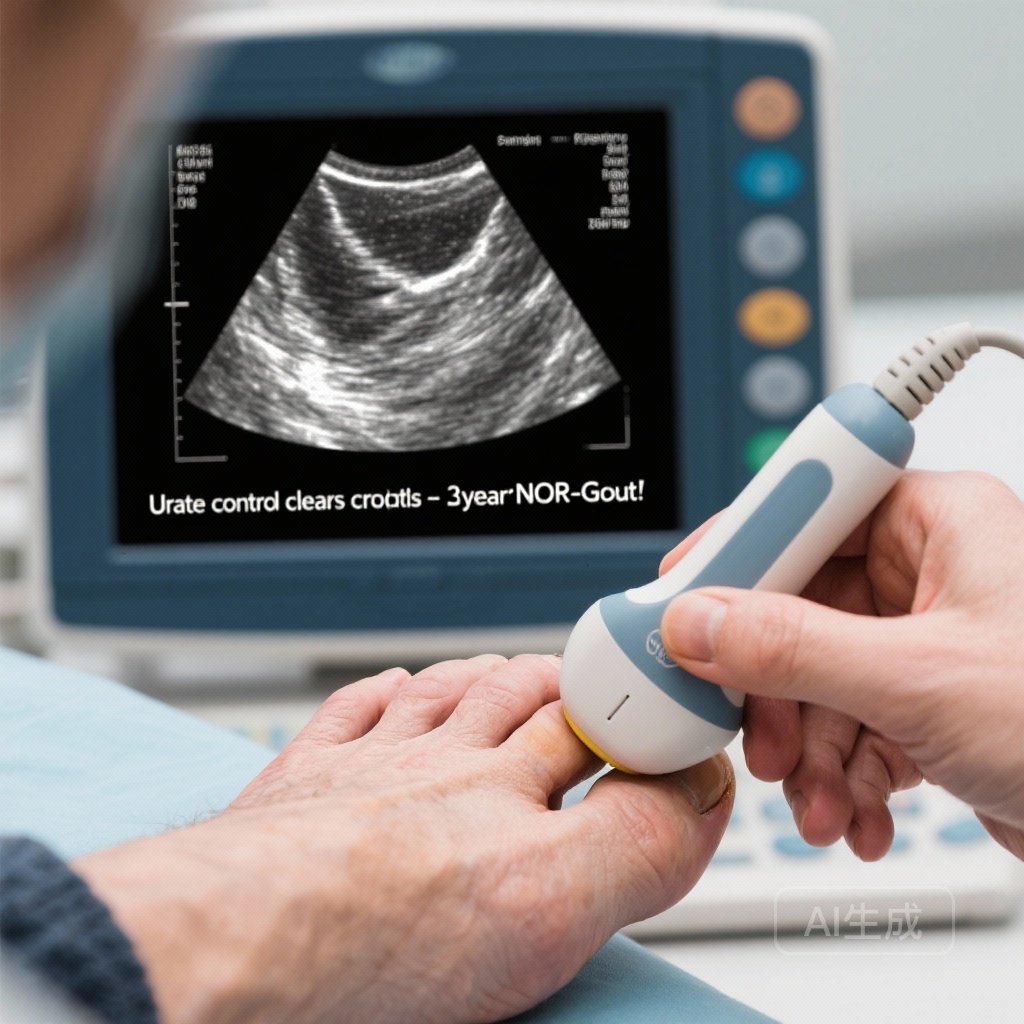
UPsA Ultrasound Scores Bring Quantitative Activity and Damage Assessment to Psoriatic Arthritis — Feasible, Responsive Tools from a Multicentre Italian Study

UPsA Ultrasound Scores Bring Quantitative Activity and Damage Assessment to Psoriatic Arthritis — Feasible, Responsive Tools from a Multicentre Italian Study

The UPsA activity and damage ultrasound scores (and a simplified sUPsA) were developed and internally validated in 312 PsA patients; they correlate moderately with clinical measures, are responsive to change (SRM overall 0.63; 1.03 in MDA achievers), and may improve objective monitoring of PsA.
Early IL‑17A Blockade vs Step‑Up Therapy in Psoriatic Arthritis: STAMP trial shows no superior 6‑month benefit for secukinumab-first treat‑to‑target strategy

Early IL‑17A Blockade vs Step‑Up Therapy in Psoriatic Arthritis: STAMP trial shows no superior 6‑month benefit for secukinumab-first treat‑to‑target strategy

The STAMP randomized trial found that a treat‑to‑target strategy starting with secukinumab plus methotrexate did not achieve superior 6‑month ACR50 rates versus a conventional methotrexate‑first step‑up approach; 12‑month outcomes were similar for both strategies.
SGLT-2 Inhibitors and Autoimmune Rheumatic Disease Risk Reduction in Type 2 Diabetes: Insights from a Korean Nationwide Cohort

SGLT-2 Inhibitors and Autoimmune Rheumatic Disease Risk Reduction in Type 2 Diabetes: Insights from a Korean Nationwide Cohort

A large South Korean cohort study suggests that sodium-glucose cotransporter-2 (SGLT-2) inhibitors reduce the incidence of autoimmune rheumatic diseases by 11% compared to sulfonylureas in adults with type 2 diabetes, indicating potential immunomodulatory benefits of SGLT-2 inhibitors beyond glycemic control.