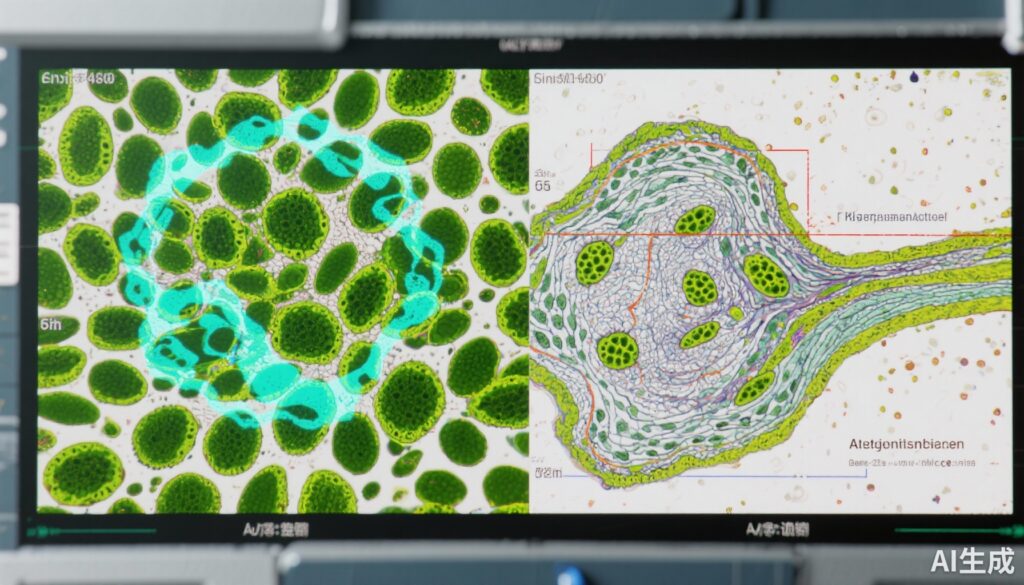
Evaluating Radiologic Extranodal Extension in HPV-Positive Oropharyngeal Cancer: Accuracy, Prognostic Value, and Clinical Implications from a Multinational Real-World Study

Evaluating Radiologic Extranodal Extension in HPV-Positive Oropharyngeal Cancer: Accuracy, Prognostic Value, and Clinical Implications from a Multinational Real-World Study

This multinational real-world study reveals limited sensitivity and prognostic value of radiologic extranodal extension (iENE) in HPV-positive oropharyngeal cancer, highlighting the enhanced accuracy with combined CT and MRI and the need for standardized diagnostic criteria.
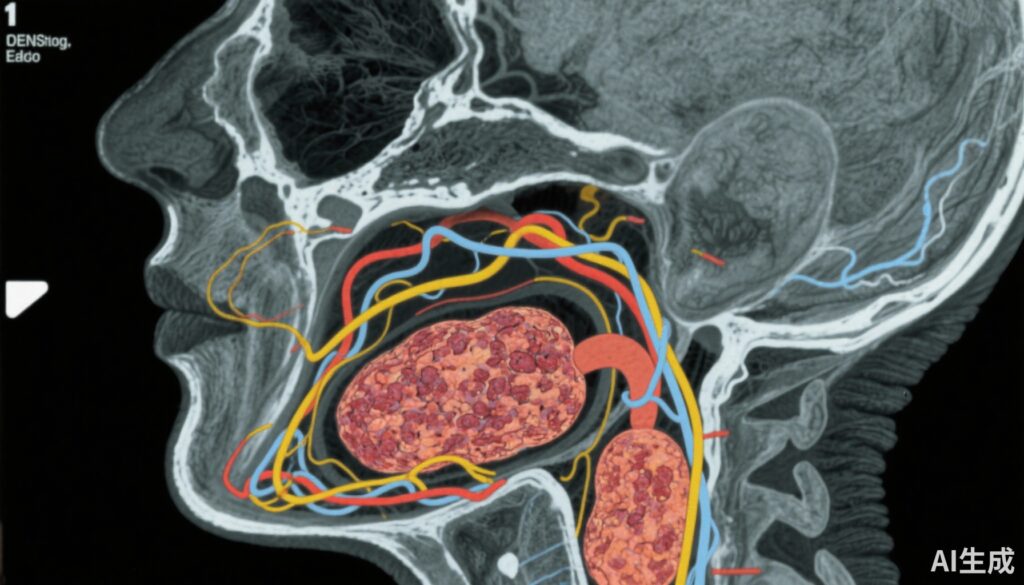
Artificial Intelligence in Imaging-Based Extranodal Extension Detection: Advancing Prognostication in HPV-Positive Oropharyngeal Cancer

Artificial Intelligence in Imaging-Based Extranodal Extension Detection: Advancing Prognostication in HPV-Positive Oropharyngeal Cancer

An AI-driven model accurately detects imaging-based extranodal extension in HPV-positive oropharyngeal cancer from CT scans, improving outcome prediction beyond expert radiologist assessments and identifying patients at higher risk of poorer survival and recurrence.
Evaluating Electromagnetic Network-Targeted Field Therapy for Post-Ischemic Stroke Disability: Insights from the EMAGINE Trial

Evaluating Electromagnetic Network-Targeted Field Therapy for Post-Ischemic Stroke Disability: Insights from the EMAGINE Trial

The EMAGINE randomized clinical trial assessed low-intensity electromagnetic stimulation combined with rehabilitation in moderate to severe ischemic stroke patients. While safe, it did not yield statistically significant functional improvement, warranting further investigation.
Medicare Advantage and Cancer Surgery Outcomes: Are Patients Being Routed Away from High-Quality Hospitals?

Medicare Advantage and Cancer Surgery Outcomes: Are Patients Being Routed Away from High-Quality Hospitals?

This retrospective national cohort study reveals that Medicare Advantage (MA) enrollees undergoing major cancer surgery are less likely to receive care at high-quality hospitals compared to traditional Medicare beneficiaries, raising concerns about MA networks' impact on access to optimal surgical care.
Personalizing Radiotherapy in Ductal Carcinoma In Situ Using a 12-Gene Expression Assay: Insights from a Prospective Clinical Trial

Personalizing Radiotherapy in Ductal Carcinoma In Situ Using a 12-Gene Expression Assay: Insights from a Prospective Clinical Trial

This clinical trial prospectively evaluates how a 12-gene expression assay (DCIS score) guides postoperative radiotherapy decisions after breast-conserving surgery in ductal carcinoma in situ, showing tailored radiotherapy use may reduce ipsilateral breast events.
Artificial Intelligence-Detected Tumor-Infiltrating Lymphocytes as a Biomarker in Anti-PD-1-Based Therapy for Advanced Melanoma: Clinical Evidence and Translational Perspectives

Artificial Intelligence-Detected Tumor-Infiltrating Lymphocytes as a Biomarker in Anti-PD-1-Based Therapy for Advanced Melanoma: Clinical Evidence and Translational Perspectives

AI-detected tumor-infiltrating lymphocytes on routine histology independently predict response and survival in advanced melanoma treated with anti-PD-1 therapies, outperforming manual scoring and offering an accessible biomarker for immune checkpoint inhibitor outcomes.