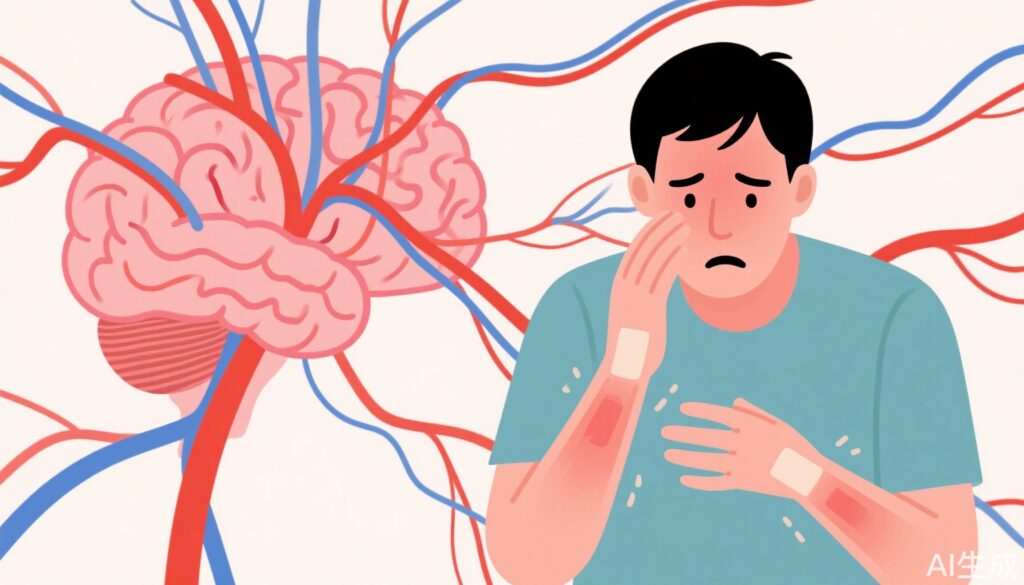
Stroke affects millions annually, with early symptoms such as numbness in the tongue and limbs signaling urgent attention. This article explains stroke basics, warning signs, and five practical exercises to help prevent stroke.
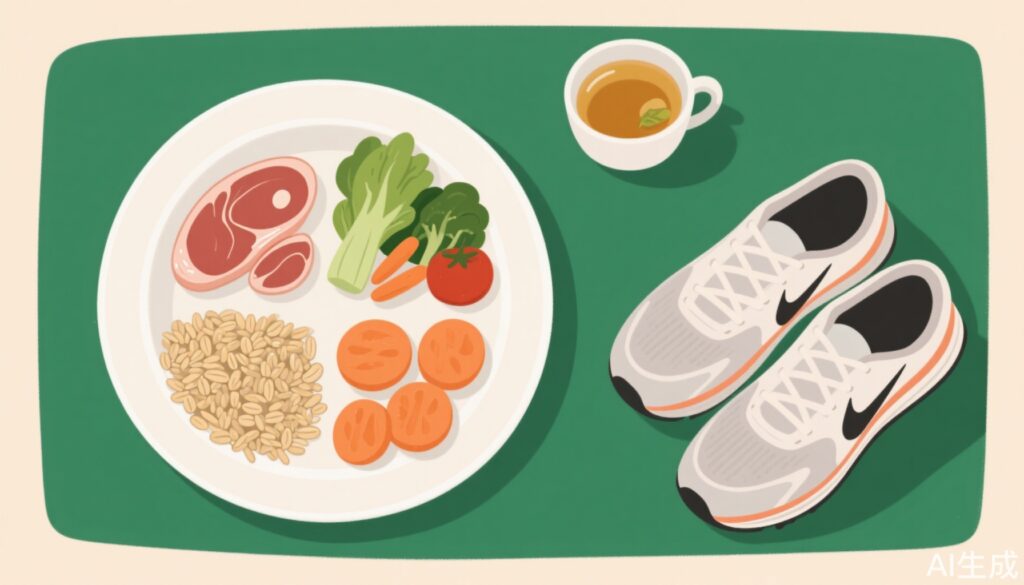
Discover six surprising habits that help with weight loss, including eating moderate amounts of meat and snacks, avoiding strict carb elimination, drinking tea or low-calorie coffee, getting enough sleep, and eating right after exercise.
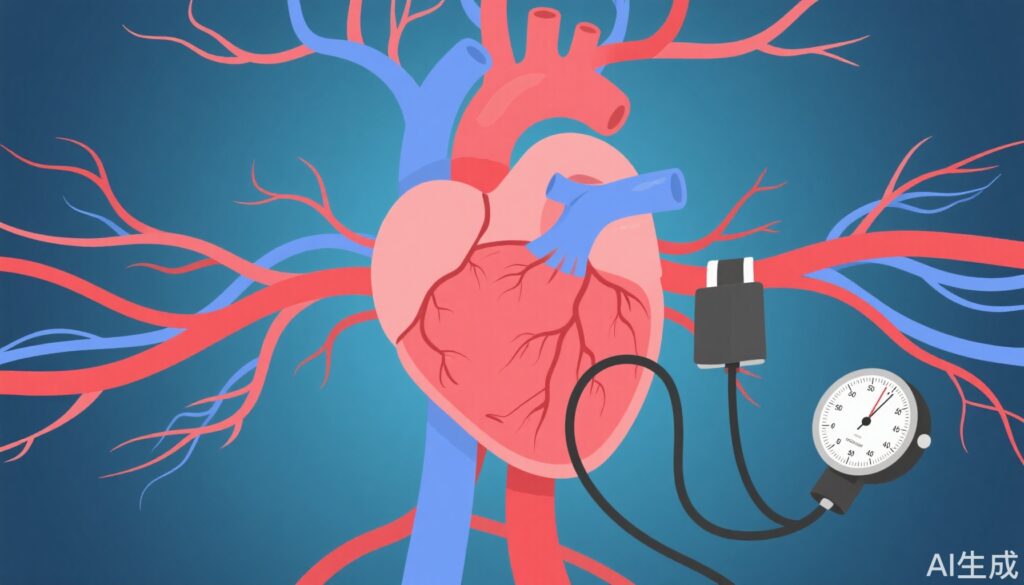
An in-depth overview of hypertension, including causes, risks, symptoms, diagnosis, and effective treatment strategies tailored for diverse populations.
The MISSION Act reduced travel times to cardiac procedures for veterans distant from VA centers but was linked to higher short-term adverse cardiovascular events for PCI and CABG, highlighting complex trade-offs in access and care quality.
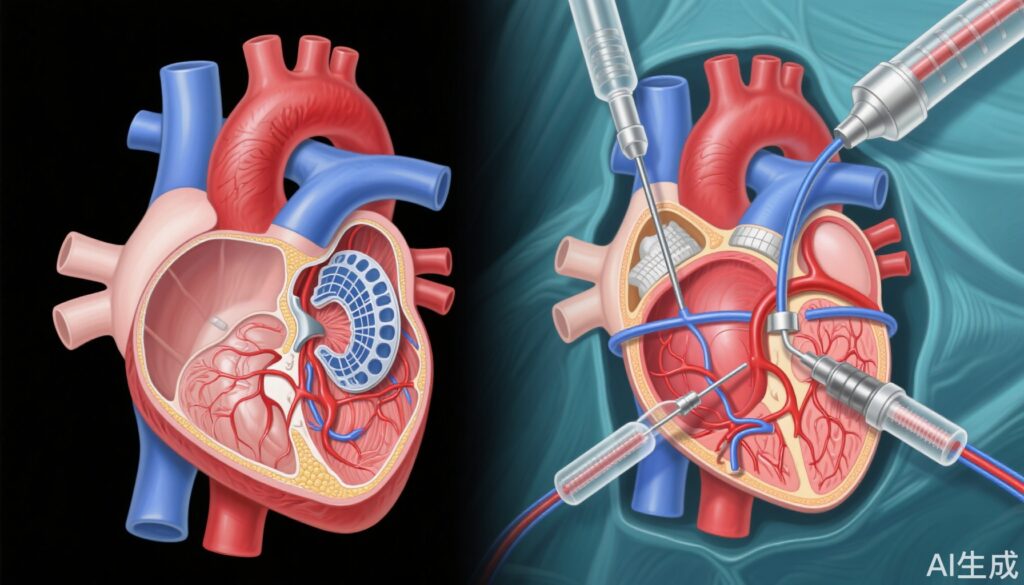
The TCW trial demonstrates that FFR-guided PCI plus TAVI is non-inferior and even superior to SAVR plus CABG in elderly patients with severe aortic stenosis and complex coronary artery disease.
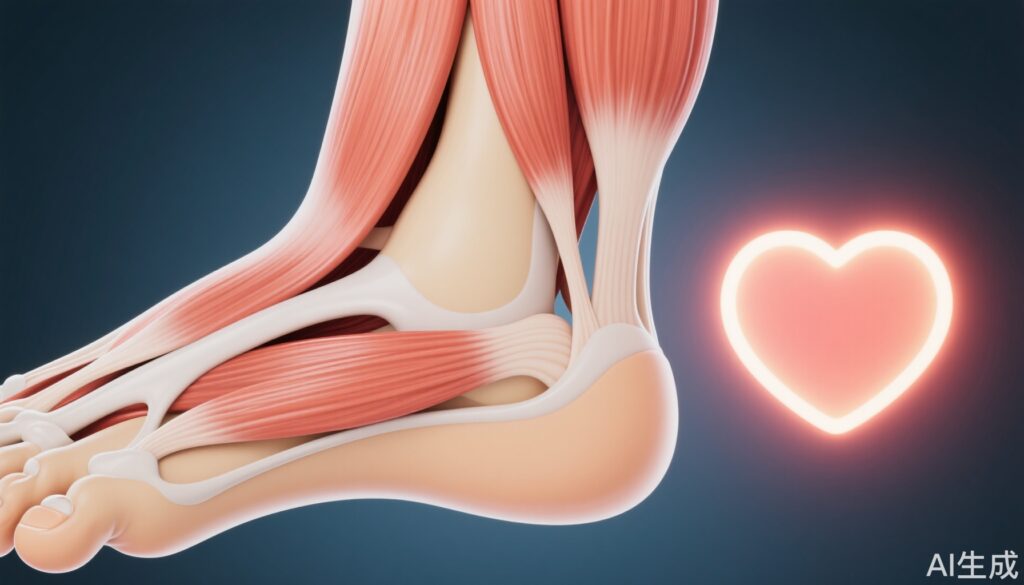
Learn about the critical role of the soleus muscle in metabolism, blood sugar regulation, and cardiovascular health, and discover effective exercises to enhance its function.
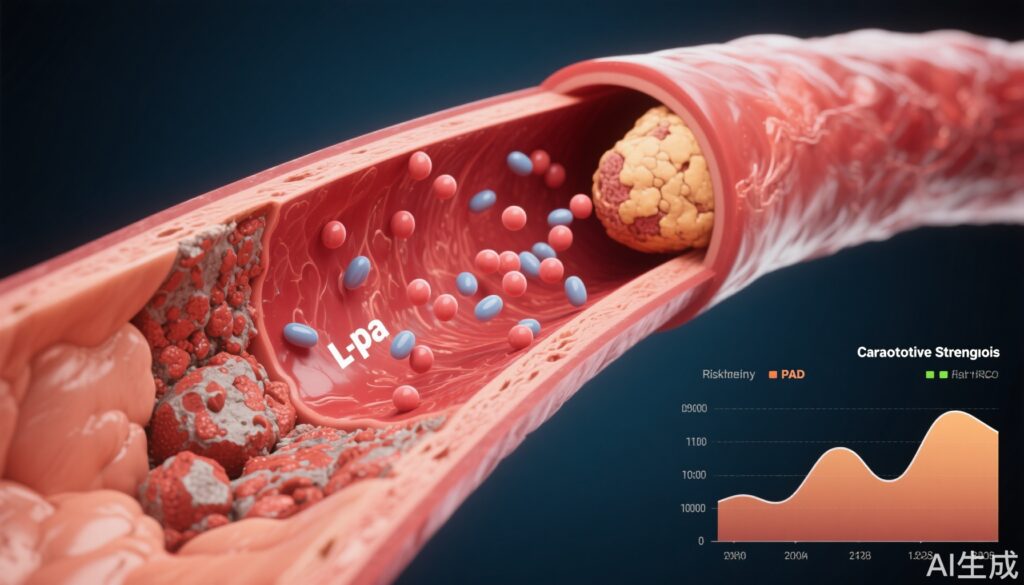
A landmark UK Biobank study demonstrates that elevated lipoprotein(a) independently predicts both the onset and progression of peripheral artery disease and carotid stenosis, beyond traditional cardiovascular risk factors.
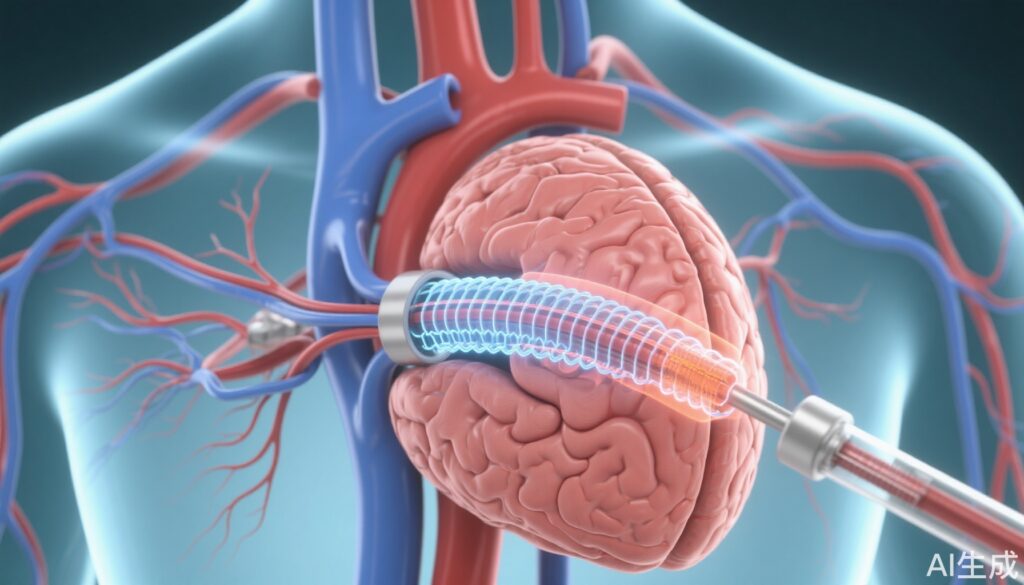
Large-scale trials show that routine cerebral embolic protection during TAVI does not significantly reduce early stroke rates, though selective benefits in major stroke and secondary outcomes may exist.
A large multinational trial found that acute normovolemic hemodilution (ANH) did not significantly reduce allogeneic red-cell transfusion in adult cardiac surgery patients, with similar safety outcomes compared to usual care.
A large US study finds adjuvanted and high-dose quadrivalent influenza vaccines provide comparable protection against lab-confirmed flu in seniors, supporting current immunization guidelines.
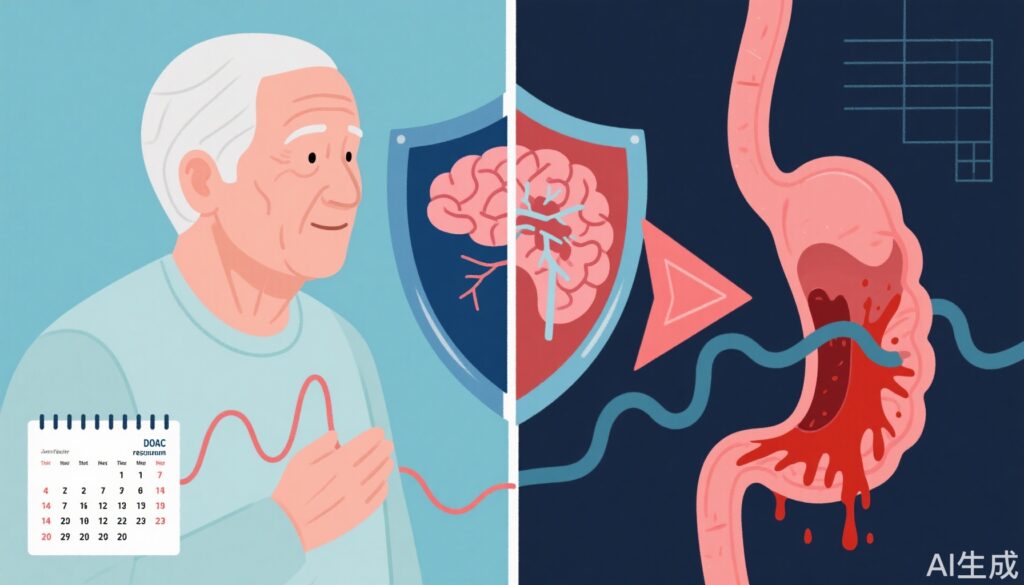
Early resumption of DOACs after serious bleeding in AF patients may lower stroke risk but significantly increases recurrent bleeding. Individualized decision-making and further research are recommended.
Adults born preterm face significantly higher risks of cardiometabolic abnormalities and internalizing mental health problems by age 35, according to a new U.S. cohort study.
A new, function-driven definition of “clinical obesity” dramatically lowers global obesity prevalence rates compared to BMI-based estimates, raising implications for disease surveillance, prevention, and healthcare policy.
Longitudinal data from CARDIA reveal declining physical activity before and after CVD events, with pronounced disparities among Black women, highlighting the need for targeted interventions across the life course.