AI-Based OCT Analysis Outperforms Human Experts in Predicting Outcomes from Non-Culprit Lesions: Insights from the PECTUS-AI Study

AI-Based OCT Analysis Outperforms Human Experts in Predicting Outcomes from Non-Culprit Lesions: Insights from the PECTUS-AI Study

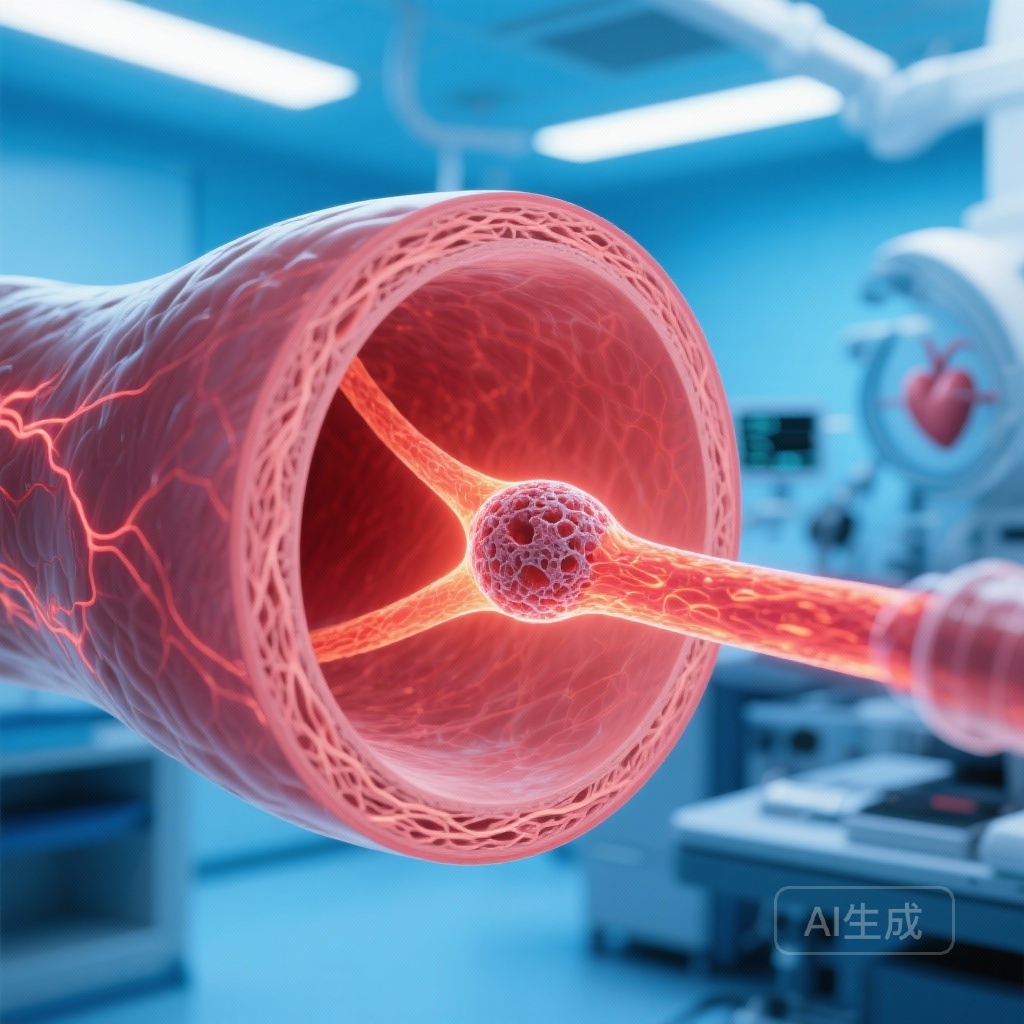
The PECTUS-AI study demonstrates that AI-based identification of thin-cap fibroatheromas using OCT provides superior prognostic value for cardiovascular events compared to manual analysis, particularly when assessing the entire imaged coronary segment, offering a standardized approach to identifying high-risk patients.
Predicting Post-Hepatectomy Liver Failure with the PILOT Architecture: Integrating Liver Regeneration Biomarkers and Time-Phased Machine Learning

Predicting Post-Hepatectomy Liver Failure with the PILOT Architecture: Integrating Liver Regeneration Biomarkers and Time-Phased Machine Learning

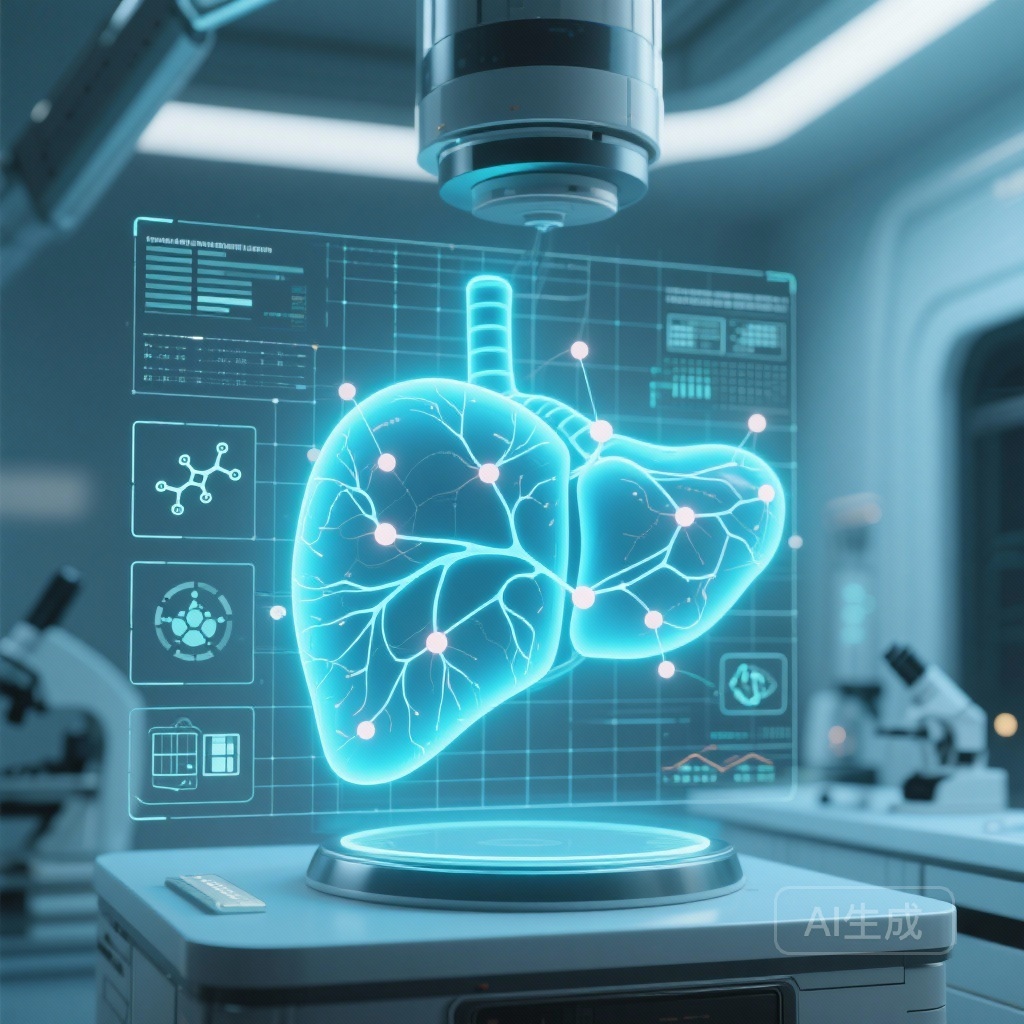
The novel PILOT machine learning architecture integrates time-phased perioperative data and regeneration-associated biomarkers to predict post-hepatectomy liver failure within six hours of surgery, significantly outperforming traditional clinical models and enabling early personalized risk stratification.
Standardizing the Digital Signal: How an Ontology of Early Warning Signs Can Predict Cytokine Release Syndrome

Standardizing the Digital Signal: How an Ontology of Early Warning Signs Can Predict Cytokine Release Syndrome

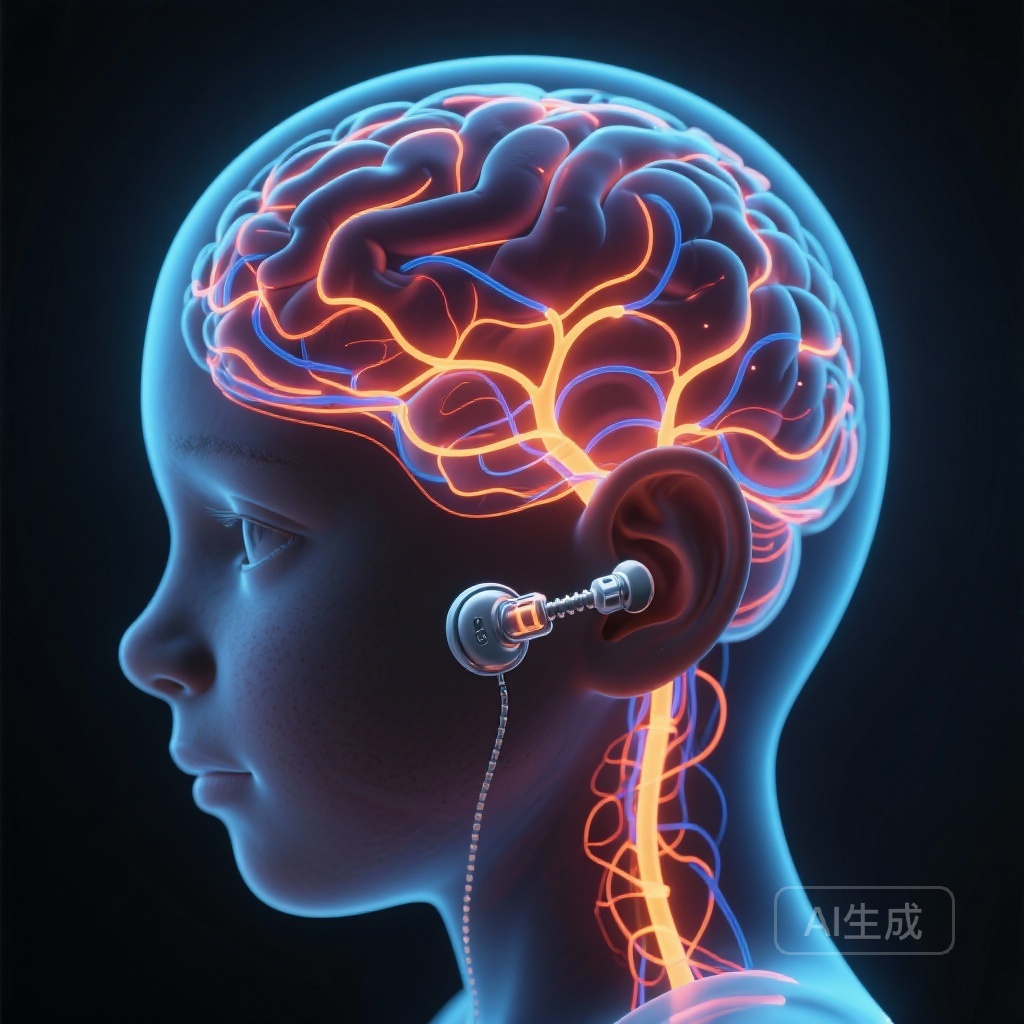
This article explores a landmark mixed-methods study establishing a digital biomarker ontology for the early detection of Cytokine Release Syndrome (CRS). By identifying core physiological markers, researchers aim to transform immunotherapy safety through continuous monitoring and predictive modeling.