The Post-Pulmonary Rehabilitation Challenge: Addressing the Cliff Edge
Pulmonary rehabilitation (PR) remains the cornerstone of non-pharmacological management for patients with chronic respiratory diseases, including chronic obstructive pulmonary disease (COPD), asthma, and interstitial lung disease (ILD). By combining exercise training, education, and behavioral changes, PR significantly improves exercise capacity and health-related quality of life. However, clinicians and researchers have long grappled with a persistent phenomenon often described as the cliff edge. Following the completion of an intensive PR program, the physiological and psychological gains tend to diminish over time as patients return to their baseline activity levels. Finding sustainable, engaging, and cost-effective maintenance strategies to preserve these hard-won benefits is a critical priority in respiratory medicine.
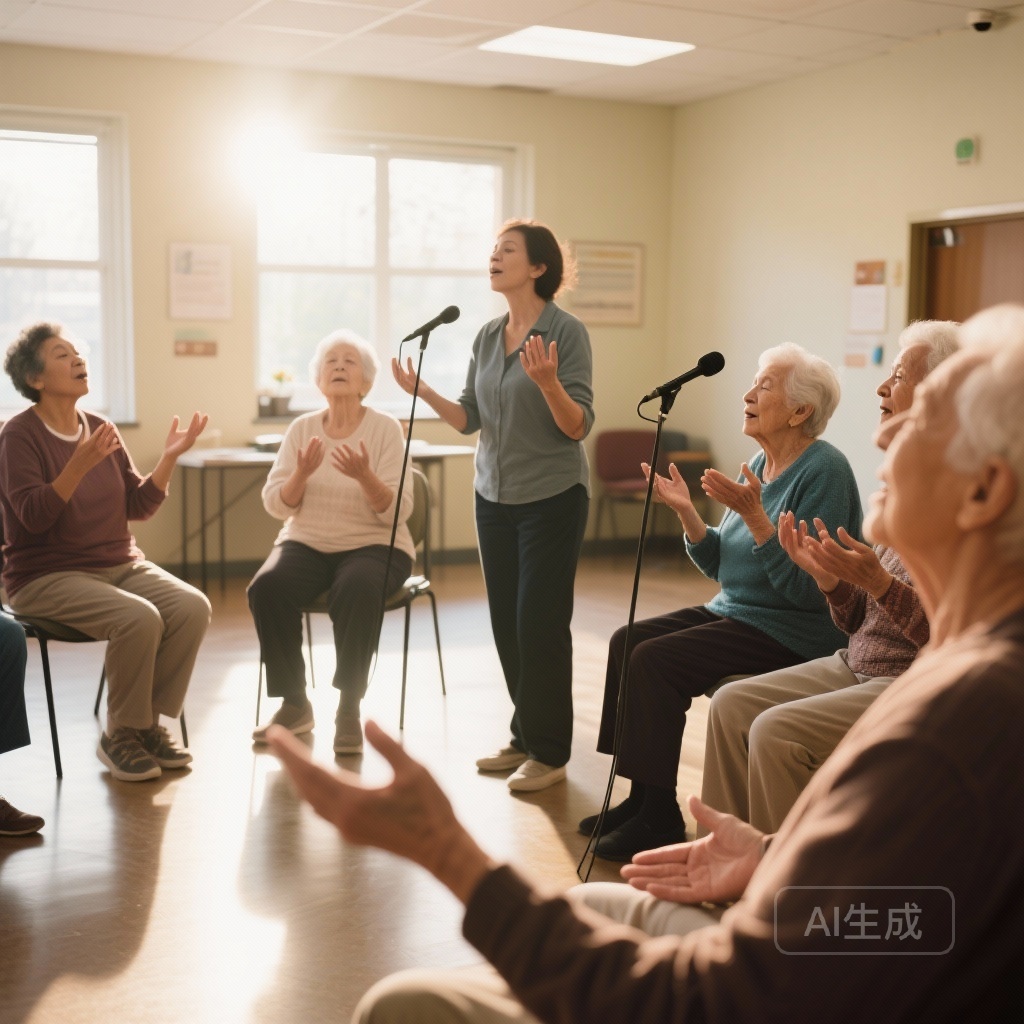
One emerging intervention that has garnered significant interest is Singing for Lung Health (SLH). Unlike traditional exercise-based maintenance, SLH focuses on the physiological aspects of singing—specifically breath control, posture, and vocalization—while providing a robust social support network. Despite its growing popularity, robust clinical evidence regarding its efficacy compared to usual care has been lacking. To address this, a multicentre feasibility trial was conducted to determine whether a definitive randomized controlled trial (RCT) could be successfully implemented to evaluate SLH as a post-PR intervention.
The Mechanics and Philosophy of Singing for Lung Health
Singing for Lung Health is not merely a recreational choir activity. It is a structured intervention designed to help patients manage their breathlessness through vocal exercises. From a physiological standpoint, singing requires controlled, prolonged expiration and the recruitment of accessory respiratory muscles, which can help improve the efficiency of breathing patterns. Furthermore, the emphasis on upright posture and diaphragmatic engagement aligns with many of the principles taught during PR. Beyond the physical, the group-based nature of SLH addresses the social isolation often experienced by patients with chronic breathlessness, potentially enhancing mental well-being and treatment adherence.
Study Design and Methodology
This study, registered as ISRCTN11056049, utilized a multicentre, mixed-methods randomized controlled feasibility design. The research was conducted across four distinct sites between October 2022 and November 2023. A unique aspect of the study design was the integration of an SLH taster session routinely within the standard PR programs at these sites. This allowed patients to experience the intervention before being asked to participate in the trial, potentially reducing the psychological barrier to entry for those who might not consider themselves singers.
Participants who completed their PR programs were screened for eligibility. The primary feasibility outcomes included recruitment rates, intervention compliance (defined as attending at least 8 out of 12 sessions), and the feasibility of health economic data collection. Qualitative interviews were also conducted with participants, clinicians, and singing group leaders to identify barriers and facilitators to the intervention, ensuring that any future definitive trial would be grounded in the lived experiences of those involved.
Key Findings: Recruitment Dynamics and Retention
During the study period, 1311 patients were assessed to start PR, and 838 successfully completed the program. This high volume of initial screening highlights the scale of the potential target population. However, the transition from PR completer to trial participant revealed several logistical and clinical hurdles. Out of the 838 completers, 243 were deemed ineligible. Interestingly, a significant portion of these exclusions was due to vaccination status and specific excluded diagnoses for PR referral, reflecting the ongoing impact of post-pandemic clinical protocols.
Ultimately, 64 participants were recruited and randomized: 32 to the SLH intervention and 32 to the usual care control group. The cohort was diverse in its respiratory pathology, including 33 patients with COPD, 16 with asthma, 9 with ILD, and 6 with bronchiectasis. The mean age was 69 years, and there was a relatively balanced gender distribution (33 female).
One of the most encouraging findings was the retention rate. In the SLH group, 30 out of 32 (93.8%) participants completed the study, while 29 out of 32 (90.6%) in the control group did the same. Compliance with the intervention was also respectable, with 62.5% of the SLH group attending at least 8 sessions. These figures suggest that once patients commit to the program, they find it sufficiently valuable or enjoyable to continue, a key requirement for any long-term maintenance strategy.
Qualitative Insights: Enthusiastic Support and Structural Feedback
While the quantitative data confirmed that a trial is feasible, the qualitative interviews provided the nuance necessary for refining the intervention. There was overwhelming enthusiasm for a definitive trial from all stakeholders. Participants reported positive experiences, often citing the taster sessions as the primary motivator for joining. Clinicians observed that SLH provided a much-needed bridge for patients who felt abandoned after their PR sessions ended.
However, the feedback also highlighted areas for improvement. Recommendations included refining the recruitment strategy to reach more patients who might be hesitant about singing, adjusting the intervention structure to accommodate varying levels of physical ability, and ensuring that staffing and outcome measures are optimized for a larger-scale study. The thematic analysis suggested that the social aspect of the singing groups was just as important as the respiratory benefits, pointing toward a holistic impact on patient health.
Expert Commentary: Bridging Clinical and Community Care
This feasibility study represents a significant step forward in the integration of social prescribing and clinical respiratory care. The high retention rates suggest that SLH addresses an unmet need for ongoing support. From a clinical perspective, the inclusion of asthma and ILD patients alongside those with COPD is particularly noteworthy, as maintenance strategies for non-COPD respiratory diseases are even less well-defined in current guidelines.
One challenge noted by the researchers was the high decline rate (531 patients declined to participate). This underscores the necessity of the taster sessions and perhaps suggests that the term singing might be intimidating to some. Future recruitment efforts might emphasize the breathwork and exercise components of the program to appeal to a broader demographic. Furthermore, the health economic analysis included in this feasibility study will be vital for convincing payers and health systems that SLH is a cost-effective alternative to more resource-intensive clinical follow-ups.
Conclusion: A Green Light for Definitive Research
The results of this feasibility trial are clear: a definitive randomized controlled trial of Singing for Lung Health following pulmonary rehabilitation is not only feasible but highly anticipated by both patients and providers. The study successfully identified the necessary parameters for recruitment and retention and provided a roadmap for addressing logistical challenges. As the medical community continues to look for ways to sustain the benefits of PR, SLH stands out as a promising, patient-centered intervention that harmonizes physiological training with psychosocial support.
Funding and Clinical Trials Registration
This study was registered under ISRCTN11056049. The researchers acknowledge the support of the various NHS sites and the participants who contributed to this feasibility work. Funding details and specific investigator disclosures can be found in the primary publication in BMJ Open Respiratory Research.
References
Lewis A, Jung P, Williams P, Steinmann J, Ingram KA, Longley N, Trivedi P, Clarke S, Lammin H, Edwards G, Koulopoulou M, Sureshkumar A, Moore A, Pfeffer PE, Reardon L, Sorley K, Kenman J, DeLuca B, Maguire M, Smith LJ, Elkin S, Lound A, Moth L, Rickman P, Alexander S, Lohan N, Garsin E, Young S, Harris A, Watters R, Lane C, Nolan CM, Conway J, Man WD, Banya W, Anokye N, Philip KEJ, Cave P, Hopkinson NS. Singing for lung health following completion of pulmonary rehabilitation: feasibility of a randomised controlled trial. BMJ Open Respir Res. 2026 Jan 6;13(1):e003236. doi: 10.1136/bmjresp-2025-003236. PMID: 41494697; PMCID: PMC12778336.