Highlights
- Respiratory syncytial virus (RSV) hospitalization is associated with a markedly elevated risk of major cardiorespiratory events in adults, particularly within the first 7 to 14 days.
- The highest incidence rate ratios (IRRs) were observed for COPD exacerbations (23.1) and arrhythmias (16.5) during the first week following index hospitalization.
- Risk for myocardial infarction and stroke remained significantly elevated for up to 21 days, with some cardiorespiratory risks persisting for 180 days.
- These findings underscore the importance of RSV immunization strategies in older adults and those with underlying chronic conditions.
Introduction: The Shifting Paradigm of Adult RSV
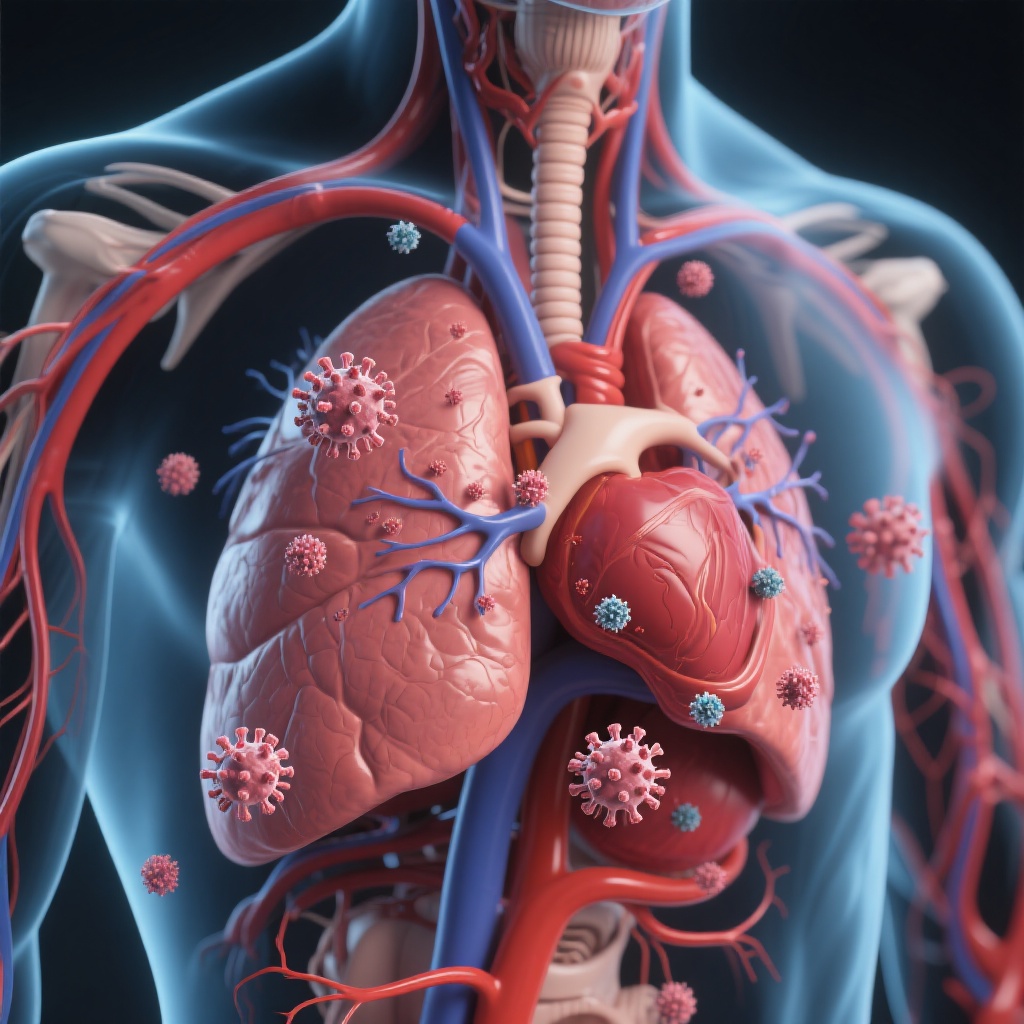
For decades, respiratory syncytial virus (RSV) was primarily viewed through the lens of pediatric medicine, recognized as a leading cause of bronchiolitis in infants. However, emerging epidemiological data have shifted this paradigm, revealing that RSV poses a substantial threat to older adults and those with compromised cardiorespiratory systems. Much like influenza and SARS-CoV-2, RSV is not merely a localized respiratory pathogen; it acts as a trigger for systemic inflammatory responses that can destabilize chronic conditions and precipitate acute cardiovascular events.
Despite this growing recognition, the precise temporal relationship between an acute RSV infection requiring hospitalization and subsequent cardiorespiratory morbidity has remained insufficiently quantified. Understanding this risk window is crucial for clinical management and for establishing the value proposition of recently approved RSV vaccines for adults.
Study Design: A Self-Controlled Case Series Approach
To address this evidence gap, Liang and colleagues conducted a self-controlled case series (SCCS) study using the Optum Market Clarity Dataset, spanning from January 1, 2017, to March 31, 2024. The study included 11,887 adults (mean age 69.4 years) who experienced at least one RSV-related hospitalization and at least one subsequent cardiorespiratory event.
The SCCS design is particularly robust for this inquiry because it uses each patient as their own control, inherently adjusting for fixed confounders such as genetic predisposition, socioeconomic status, and chronic comorbidities. The primary objective was to compare the incidence of myocardial infarction (MI), stroke, chronic obstructive pulmonary disease (COPD) exacerbation, congestive heart failure (CHF) exacerbation, and arrhythmia during the 180 days following hospitalization (the risk period) against control periods (defined as >21 days before or >180 days after the index hospitalization).
Results: Quantifying the Post-Hospitalization Risk
The study found a dramatic and statistically significant increase in the risk of all studied cardiorespiratory events during the immediate post-hospitalization phase. The risk was most acute within the first seven days and gradually declined over the subsequent weeks.
Acute Cardiovascular Events: MI and Stroke
The risk for myocardial infarction was nearly ninefold higher (IRR, 8.7; 95% CI, 6.7-11.2) in the first week following RSV hospitalization. This risk remained significantly elevated in the second week (IRR, 5.2) and the third week (IRR, 2.6). Similarly, stroke risk showed a sharp increase, with an IRR of 7.4 (95% CI, 5.5-10.1) in the first seven days, remaining as high as 3.7 by the end of the third week. These data suggest that the physiological stress of RSV infection can trigger vascular events long after the initial respiratory symptoms may have begun to subside.
Exacerbations of Chronic Conditions: CHF and COPD
The impact on patients with pre-existing heart failure and lung disease was even more pronounced. The incidence of CHF exacerbations was 12.5 times higher in the first week. Most strikingly, the risk for COPD exacerbations surged with an IRR of 23.1 (95% CI, 20.2-26.5) during the first 7 days. While the risk for COPD and arrhythmia returned toward baseline more quickly than MI or stroke—dropping to near-insignificant levels by day 21—the initial burden on the healthcare system and the patient’s functional status is immense.
Clinical Significance and Biological Plausibility
The association between viral respiratory infections and cardiovascular events is biologically plausible through several mechanisms. Acute RSV infection induces a systemic pro-inflammatory state, characterized by elevated levels of cytokines such as IL-6 and TNF-alpha. This “cytokine storm” can lead to plaque destabilization and rupture, explaining the surge in MI and stroke. Furthermore, the increased metabolic demand during infection, coupled with hypoxia from respiratory distress, places an unsustainable workload on the myocardium, precipitating heart failure and arrhythmias.
Comparing these results to previous studies on influenza, the magnitude of risk observed with RSV is strikingly similar. A landmark study by Kwong et al. (2018) showed a sixfold increase in MI risk following laboratory-confirmed influenza. The current findings suggest that RSV is at least as dangerous as influenza in triggering these downstream complications, yet public awareness and vaccination rates for RSV remain significantly lower.
Expert Commentary: Implications for Public Health
The findings by Liang et al. provide a powerful argument for the integration of RSV vaccination into routine adult preventative care. Clinicians should view an RSV diagnosis not just as a respiratory episode to be managed, but as a period of heightened cardiovascular vulnerability. For the 180 days following an RSV admission, patients require vigilant monitoring for signs of cardiac or neurological decline.
Furthermore, the data suggest that the benefits of RSV vaccination extend beyond preventing pneumonia; by preventing the primary viral infection, we may also prevent a significant number of secondary MIs and strokes. This “indirect” cardiovascular benefit is a key factor in cost-effectiveness models for adult immunization programs.
Conclusion
This comprehensive SCCS study clarifies the severe cardiorespiratory toll of RSV in adults. With risk elevations for MI, stroke, and CHF exacerbations persisting for weeks after hospitalization, RSV represents a major driver of cardiovascular morbidity. As immunization options for RSV become more widely available, these data serve as a critical reminder that protecting the respiratory tract is also a vital strategy for protecting the heart and brain.
References
- Liang C, Judy J, Aliabadi N, et al. Risk of Cardiorespiratory Events Following Respiratory Syncytial Virus-Related Hospitalization. JAMA Netw Open. 2026;9(2):e2556767.
- Kwong JC, McCallum KL, Campitelli MA, et al. Acute Myocardial Infarction after Laboratory-Confirmed Influenza Infection. N Engl J Med. 2018;378(4):345-353.
- Ivey KS, Edwards KM, Talbot HK. Respiratory Syncytial Virus and Cardiovascular Complications in Older Adults: A Review. J Infect Dis. 2021;224(Supplement_3):S101-S106.