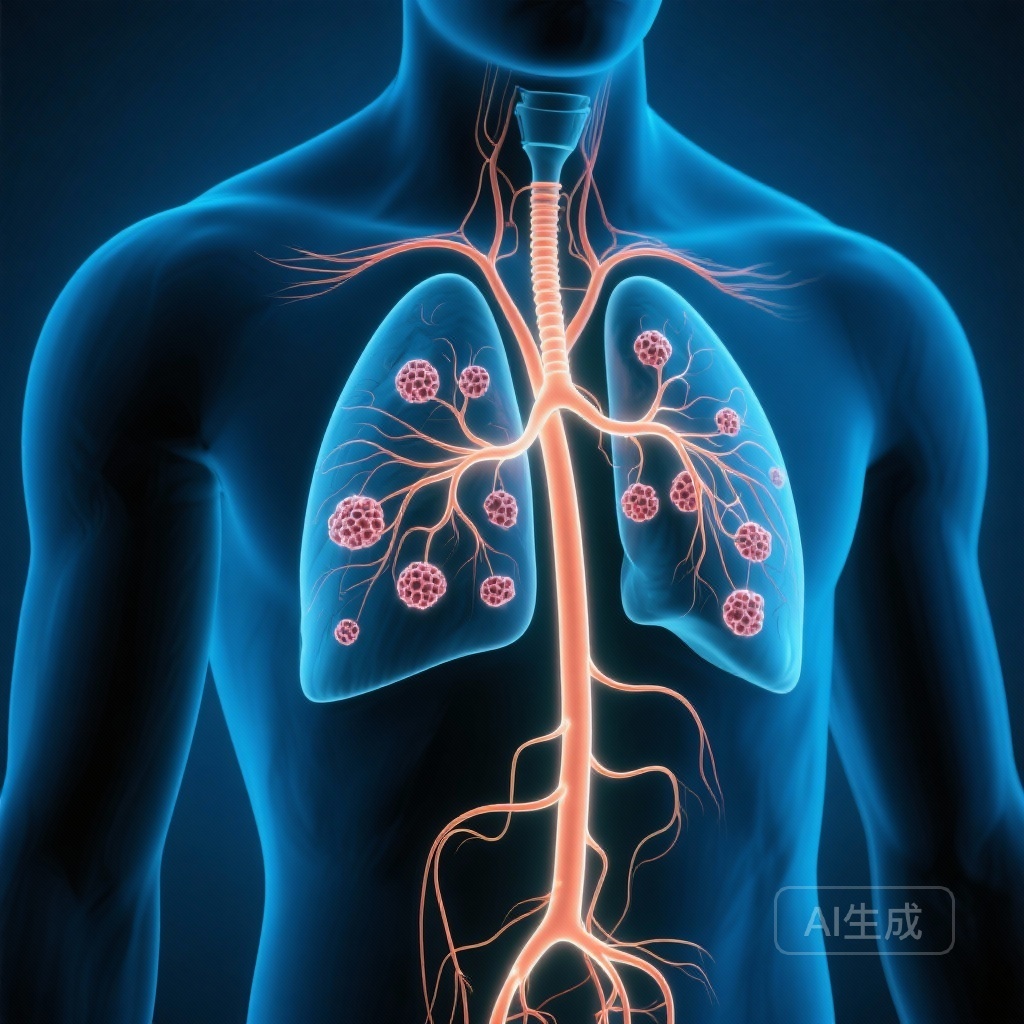
Highlights of the Population-Based Study
Following a comprehensive analysis of the UK Clinical Practice Research Datalink (CPRD), several critical findings regarding the epidemiology of sarcoidosis in England have emerged:
– The age- and sex-standardized incidence of sarcoidosis rose from 6.65 to 7.73 per 100,000 person-years between 2003 and 2023.
– Disease prevalence has seen a substantial increase, growing from 167 to 230 per 100,000 individuals over the two-decade study period.
– Patients with sarcoidosis face a 36% higher risk of all-cause mortality compared to matched controls, with the most significant excess mortality observed in those aged 30 to 70.
– There is a notable demographic shift, with rising incidence rates particularly evident in males and individuals over the age of 60.
Introduction: Addressing the Epidemiological Void in Sarcoidosis
Sarcoidosis is a multi-system granulomatous disease of unknown etiology, characterized by the formation of non-caseating granulomas that can affect virtually any organ, though the lungs and intrathoracic lymph nodes are involved in over 90% of cases. Despite its clinical complexity and potential for significant morbidity, the epidemiology of sarcoidosis in England has remained remarkably uncharted for decades. Previous estimates were often based on small, localized cohorts or outdated datasets that did not reflect the contemporary healthcare landscape.
Understanding the current incidence, prevalence, and mortality trends is not merely an academic exercise; it is a clinical necessity. As the population ages and diagnostic modalities such as high-resolution computed tomography (HRCT) become more accessible, the identified burden of sarcoidosis is changing. The study by Bechman et al., published in The Lancet Regional Health – Europe, provides the first large-scale, population-level evidence of these shifts in England, offering a crucial foundation for health policy and clinical resource planning.
Methodological Framework: The Power of Linked Electronic Health Records
To capture a truly representative picture of sarcoidosis, the researchers conducted a population-based cohort study using the UK Clinical Practice Research Datalink (CPRD). This database is one of the world’s largest sources of longitudinal primary care data. A key strength of this study was the linkage of primary care records to secondary-care data (Hospital Episode Statistics) and national death registrations from the Office for National Statistics (ONS).
The researchers identified 18,554 incident cases of sarcoidosis between 2003 and 2023. To provide context for mortality data, they constructed a matched non-sarcoidosis cohort, ensuring that the findings reflected the specific impact of the disease rather than general population trends. Statistical rigor was maintained through age- and sex-standardization and the use of Poisson regression models to calculate mortality rate ratios.
A Shift in Demographics: Incidence and Prevalence Trends
One of the most striking findings of the study is the steady increase in the incidence and prevalence of sarcoidosis. The standardized incidence grew from 6.65 per 100,000 person-years in 2003 to 7.73 in 2023. While the increase was gradual overall, a more pronounced rise was observed between 2010 and 2016. This period coincides with broader adoption of advanced thoracic imaging and perhaps a heightened clinical awareness of interstitial lung diseases.
Furthermore, the study highlights a shift in who is being diagnosed. Traditionally, sarcoidosis was often viewed as a disease of young to middle-aged adults. However, this data shows a significant rise in incidence among those over 60 years old. This trend suggests either a genuine shift in disease onset or, more likely, an improvement in diagnosing sarcoidosis in older patients who might have previously been misdiagnosed with other chronic respiratory or cardiac conditions. The prevalence data is equally sobering: with 230 per 100,000 individuals now living with the diagnosis, the cumulative pressure on specialized clinics and primary care providers is higher than ever.
The Mortality Gap: Quantifying the Survival Gap
Perhaps the most clinically urgent finding is the persistent excess mortality associated with sarcoidosis. The study calculated an all-cause mortality rate of 12.2 per 1,000 patients in 2023. When compared to the general population, the Standardized Mortality Ratio (SMR) was 1.8 for males and 2.1 for females.
The adjusted mortality rate ratio of 1.36 (95% CI 1.27-1.44) indicates that even after accounting for various confounders, patients with sarcoidosis are 36% more likely to die than their counterparts without the disease. The data also identifies a specific “vulnerability window” between the ages of 30 and 70. In this age group, the relative risk of death is significantly higher, likely due to the long-term systemic complications of the disease, including pulmonary fibrosis, cardiac sarcoidosis, and the side effects of chronic immunosuppressive therapy.
Expert Commentary: Interpreting the Data in a Clinical Context
From a clinical perspective, these findings challenge the notion that sarcoidosis is a benign condition for the majority of patients. While many cases do undergo spontaneous remission, the increasing prevalence suggests a growing cohort of patients with chronic, progressive disease.
The rise in incidence among older populations and males requires a re-evaluation of diagnostic algorithms. Clinicians must maintain a high index of suspicion for sarcoidosis even in demographic groups not traditionally associated with the disease. The excess mortality observed in females (SMR 2.1) is also noteworthy, suggesting that disease phenotype or healthcare utilization patterns may differ by sex, potentially leading to delayed diagnosis or more severe progression in women.
Furthermore, the mortality data underscores the need for proactive screening for extra-pulmonary involvement. Since all-cause mortality is elevated, clinicians should focus not only on pulmonary function but also on cardiovascular risk factors and the prevention of opportunistic infections related to treatment. The lack of funding noted in the study reference also points to a broader issue: sarcoidosis remains an under-resourced area of research compared to its public health impact.
Conclusion: Implications for Health Policy and Patient Care
The study by Bechman et al. serves as a wake-up call for the UK healthcare system and international observers. Sarcoidosis is not a static or rare curiosity; it is a growing clinical challenge with a measurable toll on human life. To improve patient outcomes, several steps are necessary:
– Optimization of Resources: The increasing prevalence warrants the development of more dedicated multidisciplinary sarcoidosis clinics to manage complex cases.
– Refining Healthcare Policy: National guidelines should be updated to reflect the shifting demographic trends and the high mortality risk in middle-aged cohorts.
– Research Investment: There is an urgent need for longitudinal studies to identify the specific causes of death in this population, whether they are directly disease-related (e.g., respiratory failure) or treatment-related.
By recognizing the true burden of sarcoidosis, the medical community can move toward earlier intervention, more personalized treatment strategies, and ultimately, a reduction in the mortality gap that has been so clearly identified in this landmark study.
References
Bechman K, Russell MD, Biddle K, Gibson M, Adas M, Yang Z, Patel S, Dregan A, Walsh S, Brex P, Patel A, Myall KJ, Norton S, Birring SS, Galloway J. Incidence, prevalence, and mortality of sarcoidosis in England: a population-based study. Lancet Reg Health Eur. 2025 Apr 4;53:101283. doi: 10.1016/j.lanepe.2025.101283. PMID: 40247851; PMCID: PMC12002749.