The Allure of the Longevity Molecule
For nearly two decades, resveratrol—a natural polyphenol found in the skins of red grapes, berries, and peanuts—has been the darling of the health supplement industry. Marketed as a potential ‘fountain of youth,’ its reputation was built on early laboratory studies suggesting it could mimic the effects of calorie restriction, activate longevity genes like SIRT1, and improve metabolic health. Perhaps most excitingly for the millions of people living with type 2 diabetes, rodent models repeatedly suggested that resveratrol could lower blood sugar levels and improve insulin sensitivity.
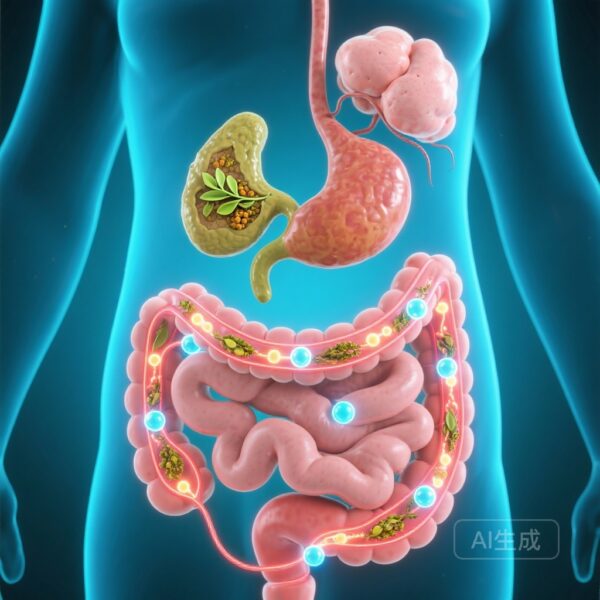
One of the proposed mechanisms for this metabolic benefit was the stimulation of glucagon-like peptide 1 (GLP-1). This is the same hormone targeted by modern blockbuster medications. GLP-1 is crucial because it slows down the rate at which the stomach empties (gastric emptying), stimulates insulin secretion when blood sugar rises, and suppresses glucagon—a hormone that increases glucose production in the liver. However, as is often the case in medical science, what works in a laboratory mouse does not always translate to the human body.
A Patient’s Perspective: John’s Curiosity
Take the case of John Miller, a 58-year-old retired high school teacher from Ohio. John was diagnosed with type 2 diabetes three years ago. Since then, he has successfully managed his condition through a combination of a Mediterranean-style diet and regular walking. Despite his steady HbA1c levels, John, like many patients, is frequently bombarded with social media advertisements and health blog articles touting the ‘miraculous’ benefits of resveratrol supplements for blood sugar management.
John often wondered if adding a 500 mg resveratrol capsule to his morning routine could provide an extra layer of protection or even allow him more flexibility in his diet. My doctor says my numbers are good, John noted during a checkup, but I keep reading that this grape extract can fix your metabolism. Is there real evidence for this, or is it just clever marketing?
The Scientific Inquiry: Bridging the Gap
To answer questions like John’s, researchers at the University of Adelaide conducted a meticulous study. While previous animal studies were promising, human data remained inconsistent and often lacked the rigorous controls necessary to draw definitive conclusions. The primary objective of this randomized, double-blind, crossover trial was to evaluate whether 500 mg of resveratrol, taken twice daily for five weeks, actually influenced GLP-1 secretion, the speed of gastric emptying, or overall glycemic control in patients with diet-controlled type 2 diabetes.
Decoding the Study Design
The researchers recruited 14 participants with diet-controlled type 2 diabetes. The mean glycated hemoglobin (HbA1c) of the group was 6.4%, indicating well-managed condition. The study utilized a crossover design, meaning each participant served as their own control. They received either 1,000 mg of resveratrol daily (divided into two doses) or a matching placebo for five weeks. After a five-week ‘washout’ period—to ensure the supplements had completely left their system—they switched to the opposite treatment.
To measure the results, the scientists used advanced techniques. Before and after each five-week period, patients consumed a standardized meal: mashed potatoes labeled with a specific isotope (13C-octanoic acid). This allowed researchers to perform a breath test to measure exactly how fast the stomach was emptying. They also drew blood over a 240-minute period to track glucose and GLP-1 concentrations.
What the Data Tell Us
When the results were analyzed, the findings were remarkably consistent across all participants. Despite the promising results seen in animal trials, the resveratrol treatment showed no significant difference compared to the placebo. Whether it was the speed at which food left the stomach, the levels of the insulin-stimulating hormone GLP-1, or the resulting blood sugar spikes after a meal, the effects of resveratrol were negligible.
Table: Comparison of Key Clinical Parameters
| Variable Measured | Resveratrol Group (5 Weeks) | Placebo Group (5 Weeks) | Significant Difference? |
|---|---|---|---|
| HbA1c (Average Blood Sugar) | No Change | No Change | No |
| GLP-1 Secretion | No Change | No Change | No |
| Gastric Emptying Rate | No Change | No Change | No |
| Fasting Blood Glucose | Stable | Stable | No |
| Body Weight | No Change | No Change | No |
Misconceptions and the Rodent-Human Divide
Why did the results fail to match the excitement of previous studies? One major factor is the biological difference between species. Rodents often respond differently to high doses of polyphenols, and the metabolic pathways activated in a mouse may not be as easily triggered in a human, especially at dosages that are practical for human consumption. Furthermore, many early studies on resveratrol used extremely high concentrations in isolated cells, which do not reflect the complex environment of the human digestive system and liver metabolism.
Another misconception is that more is always better. While resveratrol is an antioxidant, the body’s ability to absorb it and utilize it in a way that impacts the GLP-1 pathway appears to be limited in humans. For patients like John Miller, this study provides a clear answer: the supplement is not a shortcut to better metabolic health.
Practical Recommendations for Diabetes Management
For individuals with type 2 diabetes looking to optimize their health, the findings of this study reinforce a fundamental truth in medicine: there are no magic pills that replace the pillars of diabetes management.
1. Prioritize Whole Foods: Instead of isolated supplements, focus on a diet rich in fiber, lean proteins, and healthy fats. The fiber in whole fruits and vegetables naturally slows gastric emptying and improves the GLP-1 response.
2. Consistency in Monitoring: Continue regular HbA1c testing as recommended by your physician. This provides a three-month average of blood sugar control that is far more telling than any single-day reading.
3. Exercise as a Metabolic Tool: Physical activity improves insulin sensitivity through pathways that supplements cannot replicate. Even a 15-minute walk after meals can significantly blunt glucose spikes.
4. Evidence-Based Supplementation: Always consult with a healthcare professional before starting a new supplement. While some vitamins (like Vitamin D) may be necessary based on deficiency, many herbal supplements lack clinical proof for diabetes management.
Expert Insights and Commentary
Dr. Sarah Thompson, a clinical endocrinologist not involved in the study, noted the importance of these negative results. We often talk about the breakthrough trials that find new treatments, but trials that show no effect are just as vital for patient care. They prevent our patients from wasting money on ineffective treatments and allow us to refocus on strategies that we know actually work.
She added that while resveratrol may still have other benefits in high-risk populations or different contexts, its role as a glucose-lowering agent in diet-controlled type 2 diabetes is effectively unsupported by current human clinical data.
Conclusion
The study by Thazhath and colleagues serves as a sobering reminder of the importance of human clinical trials. While the red wine compound resveratrol remains an interesting subject for laboratory research, its current application as a supplement for glycemic control in type 2 diabetes is not supported by the evidence. For patients like John, the best path forward remains a commitment to the lifestyle changes and medical therapies that have been proven to work.
Funding and Registration
This study was supported by various academic and research grants. The trial was registered at the Australian New Zealand Clinical Trials Registry (www.anzctr.org.au) under the identifier ACTRN12613000717752.
References
Thazhath SS, Wu T, Bound MJ, Checklin HL, Standfield S, Jones KL, Horowitz M, Rayner CK. Administration of resveratrol for 5 wk has no effect on glucagon-like peptide 1 secretion, gastric emptying, or glycemic control in type 2 diabetes: a randomized controlled trial. Am J Clin Nutr. 2016 Jan;103(1):66-70. doi: 10.3945/ajcn.115.117440. Epub 2015 Nov 25. PMID: 26607942.