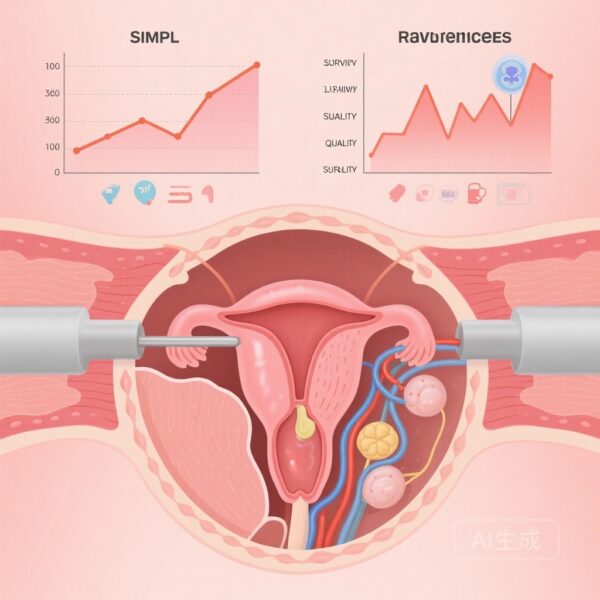
Highlight
- Oral progestagens likely reduce overall pain and dysmenorrhoea compared with placebo in endometriosis patients.
- Evidence for progestagen effectiveness compared to other hormonal therapies is less certain due to limited trial numbers.
- Depot formulations may lower adverse effect incidence compared with some GnRH-based treatments.
- Adverse effect profiles are generally similar between oral progestagens and other hormonal suppression strategies.
Background
Endometriosis is a chronic, estrogen-dependent inflammatory condition affecting 5%–10% of reproductive-aged women, and also impacts gender-diverse individuals. It is characterized by the presence of endometrial-like tissue outside the uterus, most commonly involving the pelvic peritoneum, ovaries, and rectovaginal septum. Symptoms include chronic pelvic pain, severe dysmenorrhoea, and reduced quality of life. Management strategies often aim to suppress ovarian hormone production to attenuate disease activity and related symptoms. Progestagens have been proposed as a therapeutic option for symptom control due to their ability to induce endometrial atrophy and modulate inflammatory pathways.
Study Design
A Cochrane systematic review evaluated randomized controlled trials (RCTs) published up to October 2024, including 33 RCTs with 5059 participants. Eligible participants were of reproductive age with laparoscopically confirmed endometriosis and pain symptoms. Trials assessed oral, depot, and implantable progestagen formulations compared with placebo, oral contraceptives, gonadotropin-releasing hormone (GnRH) agonists or antagonists, and etonogestrel implants. Primary outcomes included overall pain, pelvic pain, and dysmenorrhoea. Secondary outcomes assessed quality of life, patient satisfaction, and adverse effects. Meta-analysis used fixed-effect models, with GRADE methodology applied for evidence certainty.
Key Findings
Oral Progestagens vs Placebo
Efficacy analysis demonstrated that oral progestagens reduced overall pain on a visual analogue scale (mean difference [MD] -2.58; 95% CI -3.13 to -2.03; moderate certainty). Dysmenorrhoea risk was reduced at three months (risk ratio [RR] 0.21; 95% CI 0.07 to 0.70; moderate certainty). Pelvic pain improvement was less certain (RR 0.70; 95% CI 0.29 to 1.69; low certainty). Quality of life, measured via SF-36, improved by MD 4.11 points (high certainty). Adverse effects and withdrawal rates were similar to placebo.
Oral Progestagens vs Oral Contraceptives
Compared with combined oral contraceptives, oral progestagens likely have little to no effect on pelvic pain (MD 0.38; 95% CI -0.46 to 1.22; moderate certainty). Evidence on dysmenorrhoea and quality of life was of very low certainty. Pain-specific quality of life improvement slightly favored progestagens (SF-36 pain score MD 11.5; low certainty). Adverse event rates were similar, with cumulative side effects comparable across groups.
Oral Progestagens vs GnRH Agonists
Low-certainty evidence suggested minimal differences in overall pain (MD -0.01) and functional scores. Adverse effects were somewhat more frequent with oral progestagens (RR 1.44; 95% CI 1.11 to 1.86; moderate certainty). Withdrawal rates did not differ greatly.
Depot Progestagens vs GnRH Agonists
Depot progestagens provided a slight reduction in dysmenorrhoea risk (RR 0.93; 95% CI 0.89 to 0.97; high certainty), with pelvic pain outcomes neutral. Cumulative side effect risk was markedly lower (RR 0.03; 95% CI 0.01 to 0.11; moderate certainty).
Depot Progestagens vs GnRH Antagonists
Low-certainty evidence indicated little difference in pain outcomes or overall adverse event rates, though side-effect-related withdrawals were more common in the depot group (RR 2.02; moderate certainty).
Depot Progestagens vs Etonogestrel Implant
Evidence was very low certainty for differences in pain, patient satisfaction, and adverse effect withdrawals.
Expert Commentary
The findings support oral progestagens as a viable option for reducing overall pain and dysmenorrhoea in endometriosis relative to placebo. However, comparative effectiveness versus other hormonal therapies remains inconclusive due to limited trial numbers and methodological variability. Depot formulations appear more favorable in terms of side effect burden compared to GnRH agonists, but the clinical implications are modest. Given that patient response to hormonal therapy is heterogeneous, treatment selection should consider individual tolerance, comorbidities, and reproductive goals.
Mechanistically, progestagens limit endometrial proliferation and downregulate inflammatory gene expression, aligning with the pathophysiologic mechanisms driving symptom burden in endometriosis. However, the variation in delivery methods (oral, depot, implant) may shift the benefit-risk balance.
Conclusion
Oral progestagens offer moderate, clinically meaningful pain reduction in endometriosis, especially for general pain and dysmenorrhoea in the short term. Comparative data with other therapies are inconsistent, underscoring the need for adequately powered head-to-head trials with standardized outcome measures. Safety profiles are generally acceptable, with depot forms potentially reducing cumulative side effects compared to GnRH agonists. Clinicians should individualize hormonal therapy decisions based on symptom profile, patient preferences, and side effect tolerance.
Funding and ClinicalTrials.gov
Trials were registered under ClinicalTrials.gov identifiers NCT04500743, NCT01559480, and NCT02271958.
References
Chen I, Kives S, Zakhari A, Nguyen DB, Goldberg HR, Choudhry AJ, Le AL, Kowalczewski E, Schroll JB. Progestagens for pain symptoms associated with endometriosis. Cochrane Database Syst Rev. 2025 Oct 9;10(10):CD002122. doi: 10.1002/14651858.CD002122.pub3. PMID: 41065045; PMCID: PMC12509269.