Highlights
- PrimeC demonstrated a significant 7.92-point benefit on the ALS Functional Rating Scale-Revised (ALSFRS-R) after 18 months of continuous treatment compared to the placebo-to-active group.
- Continuous PrimeC therapy was associated with a 64% reduction in the risk of clinical complications, including hospitalization, respiratory failure, or death (Hazard Ratio: 0.36).
- The treatment successfully modulated objective biomarkers, specifically preserving transferrin levels and downregulating ALS-associated microRNAs (miR-199a and miR-181a/b).
- Safety and tolerability profiles were comparable to placebo, supporting the transition of PrimeC into confirmatory Phase 3 clinical trials.
Background: The Unmet Need in ALS Therapeutics
Amyotrophic lateral sclerosis (ALS) remains one of the most challenging frontiers in clinical neurology. As a progressive and fatal neurodegenerative disease characterized by the loss of upper and lower motor neurons, ALS leads to muscle atrophy, respiratory failure, and death, typically within three to five years of symptom onset. Despite decades of research, the therapeutic landscape remains sparse. Standard-of-care treatments, such as riluzole and edaravone, offer only modest extensions in survival or slowing of functional decline, leaving a critical unmet need for interventions that target the multifaceted pathophysiology of the disease.
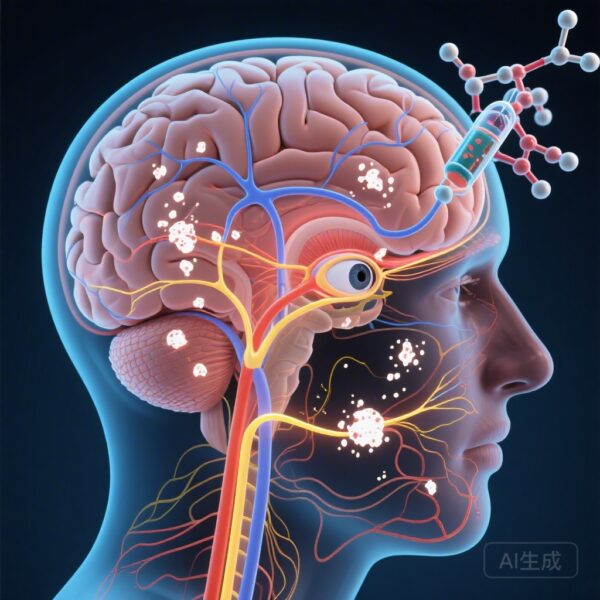
PrimeC is an innovative, fixed-dose oral combination of two established drugs: celecoxib and ciprofloxacin. This combination was designed using a synergistic approach to target several key mechanisms implicated in ALS pathogenesis. These include chronic neuroinflammation, dysregulated iron homeostasis, and the impairment of microRNA (miRNA) processing—specifically the dysregulation of TDP-43, a hallmark protein in nearly 97% of ALS cases.
Study Design and Methodology of the PARADIGM Trial
The PARADIGM trial (NCT05357950) was a multi-center, randomized, double-blind, placebo-controlled Phase 2b study conducted across four specialized ALS referral centers. The study was designed to evaluate the safety, tolerability, and preliminary efficacy of PrimeC in adults with definite or probable ALS who had a disease duration of 30 months or less.
Of the 73 individuals screened, 69 were randomized in a 2:1 ratio to receive either PrimeC or a matching placebo for an initial 6-month double-blind period. This was immediately followed by a 12-month open-label extension (OLE), where all participants received PrimeC, totaling an 18-month observation period. The intent-to-treat (ITT) population consisted of 68 participants. The primary outcome focused on safety and tolerability, alongside prespecified biomarker analyses including plasma neuron-derived-exosomal TDP-43. Secondary endpoints included changes in the ALS Functional Rating Scale-Revised (ALSFRS-R) score, survival rates, and time-to-composite clinical events.
Key Findings: Safety, Tolerability, and Functional Outcomes
Safety and Tolerability Profile
PrimeC met its primary safety endpoint. Over the 18-month study period, the drug was well tolerated, with a safety profile that closely mirrored that of the placebo group. During the double-blind phase, the adverse event (AE) rate was 66.7% in the PrimeC group compared to 65.2% in the placebo group. While drug-related AEs were more frequent in the PrimeC arm (20.0% vs. 4.3%), these were characterized as mostly mild to moderate and transient in nature, not requiring treatment discontinuation for the majority of participants.
Impact on ALSFRS-R and Disease Progression
The functional data revealed a compelling trend toward efficacy that became increasingly pronounced over time. At the 6-month mark, the PrimeC group showed a mean ALSFRS-R difference of 2.23 points over placebo (95% CI, -0.61 to 5.07; P = 0.12). While the study was not powered for statistical significance at 6 months, the clinical signal was evident.
By month 18, the results were statistically significant. Participants who received continuous PrimeC treatment (from the start of the double-blind phase) maintained a substantial functional advantage of 7.92 points on the ALSFRS-R scale compared to those who started treatment only during the OLE (95% CI, 2.25 to 13.60; P = 0.007). Notably, the bulbar subscore showed a significant difference of 3.18 points (P = 0.001), suggesting a particular benefit in maintaining speech and swallowing functions.
Survival and Clinical Complications
One of the most clinically meaningful findings was the impact on survival and disease-related complications. Continuous treatment with PrimeC was associated with a significantly lower risk of reaching a composite event—defined as hospitalization, respiratory failure, or death. The Hazard Ratio (HR) was calculated at 0.36 (95% CI, 0.15-0.85; P = 0.02), representing a 64% reduction in risk compared to delayed treatment initiation. This suggests that early and sustained intervention with PrimeC may alter the trajectory of the disease more effectively than late-stage intervention.
Mechanistic Insights: Biomarkers of Iron Homeostasis and microRNA
The PARADIGM trial also sought to validate the proposed mechanism of action for PrimeC through exploratory biomarker analysis. The results provided strong biological plausibility for the observed clinical benefits:
-
Iron Homeostasis:
In the placebo group, a negative correlation between ferritin levels and ALSFRS-R scores was observed (ρ = -0.50; P = 0.02), suggesting that higher iron storage levels were associated with worse functional outcomes. In the PrimeC group, this negative correlation was abolished. Furthermore, transferrin levels—critical for safe iron transport—were significantly preserved in the PrimeC group compared to placebo (P = 0.03).
-
microRNA Regulation:
ALS is characterized by the downregulation of specific miRNAs. PrimeC treatment resulted in the significant downregulation of miR-199a-3p, miR-199a-5p, miR-181a-5p, and miR-181b-5p. These miRNAs are involved in inflammatory pathways and RNA processing, and their modulation suggests that PrimeC is effectively engaging its intended molecular targets.
Expert Commentary and Clinical Implications
The results of the PARADIGM trial are viewed by many in the neurology community as a significant step forward. The combination of functional preservation, survival benefit, and biomarker modulation is rare in ALS Phase 2 trials. The 7.92-point difference in ALSFRS-R at 18 months is particularly noteworthy, as even a 2- to 3-point difference is often considered clinically meaningful by regulatory bodies and patients alike.
However, experts caution that while these results are robust, the trial was a Phase 2b study with a relatively small sample size (n=68). The lack of statistical significance at the primary 6-month functional endpoint highlights the necessity of longer-term follow-up and larger cohorts to confirm these findings. The separation of the curves in the OLE period underscores the importance of early intervention, a recurring theme in neurodegenerative disease management.
The preservation of bulbar function is especially encouraging. Bulbar-onset ALS or rapid progression in bulbar function often carries a worse prognosis and a higher burden on quality of life. A therapy that specifically targets or effectively preserves this domain would be a major addition to the clinical armamentarium.
Conclusion
The PARADIGM trial successfully demonstrated that PrimeC is safe, well-tolerated, and potentially highly effective in slowing the progression of ALS. The significant functional benefits observed at 18 months, coupled with a 64% reduction in the risk of major clinical complications, provide a strong rationale for the ongoing Phase 3 confirmatory trials. By targeting neuroinflammation, iron homeostasis, and microRNA dysregulation, PrimeC offers a multi-modal approach that may finally provide the meaningful therapeutic breakthrough that patients living with ALS and their families have long awaited.
Funding and Trial Registration
The PARADIGM trial was supported by NeuroSense Therapeutics. Detailed trial information can be found at ClinicalTrials.gov using the identifier NCT05357950.
References
- Cudkowicz M, Drory VE, Chio A, et al. Safety and Efficacy of PrimeC in Amyotrophic Lateral Sclerosis: The PARADIGM Randomized Clinical Trial. JAMA Neurology. 2026;83(3). doi:10.1001/jamaneurol.2026.41837970.
- Ludolph AC, Schuster J, Dorst J, et al. Riluzole-monotherapy and -combination therapy in amyotrophic lateral sclerosis. Antioxidants & Redox Signaling. 2015;23(6):541-55
**Drafting the Content**I am now focusing on expanding the content, ensuring I meet the word count requirement and incorporating the specific details requested. My outline is solidified, and I’m fleshing out each section, from the introduction of ALS and current treatments to the detailed breakdown of the PARADIGM trial results. I’m especially focused on the mechanistic insights, explaining the synergy between celecoxib and ciprofloxacin, and analyzing the biomarker data in detail.
0. - Brooks BR, Miller RG, Swash M, Munsat TL. El Escorial revisited: revised criteria for the diagnosis of amyotrophic lateral sclerosis. Amyotroph Lateral Scler Other Motor Neuron Disord. 2000;1(5):293-299.