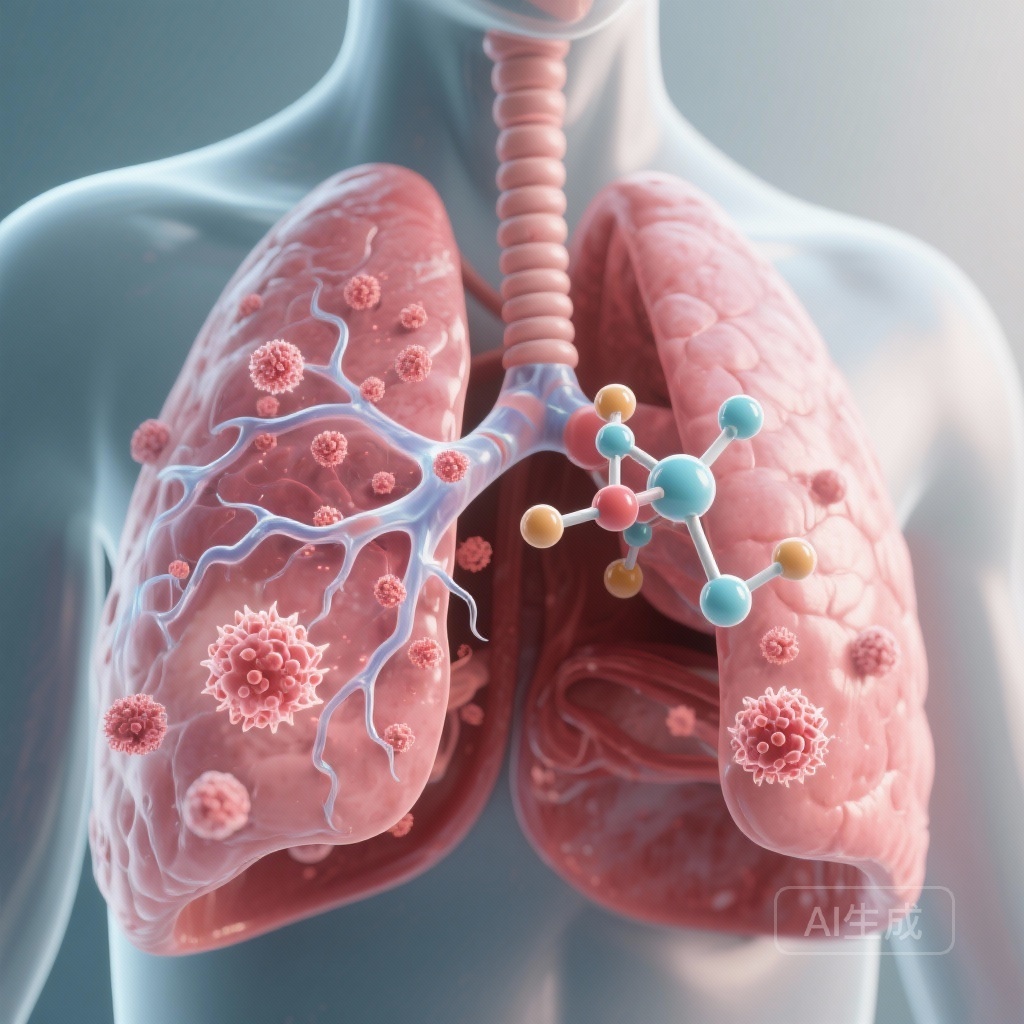
The Unmet Need for Precision in Pneumonia Care
Pneumonia remains one of the most significant challenges in global healthcare, serving as the leading infectious cause of death and the most common precursor to sepsis and multi-organ failure. Despite advancements in antimicrobial therapy, the mortality rate for patients who progress to severe states remains stubbornly high. This is largely because the clinical focus has historically been on pathogen eradication rather than the dysregulated host immune response that actually drives organ damage. The transition from a localized pulmonary infection to systemic organ dysfunction is characterized by a hyperinflammatory surge, often referred to as a cytokine storm, where Interleukin-1 (IL-1) plays a central role. However, previous attempts to use immunomodulators in sepsis failed because they were applied broadly to heterogeneous populations. The INSPIRE trial (Efficacy of anakinra in reducing progression to organ dysfunction in patients with pneumonia) represents a paradigm shift, employing a precision strategy to identify patients with active IL-1 pathways before they deteriorate.
The Biological Rationale: IL-1 and the Presepsin Biomarker
At the heart of the INSPIRE trial is the concept of precision immunotherapy. Interleukin-1 is a potent pro-inflammatory cytokine that triggers a cascade of secondary mediators, including TNFα and IFNγ, leading to capillary leak, coagulopathy, and tissue injury. Anakinra, a recombinant IL-1 receptor antagonist, has long been used in rheumatological conditions and was recently shown to be effective in COVID-19 pneumonia through the SAVE-MORE trial.
To identify the right patients for anakinra, the INSPIRE researchers utilized Presepsin (soluble CD14). Presepsin is a fragment of the CD14 receptor expressed on the surface of monocytes and macrophages. When these cells are activated by bacterial components or inflammatory signals, CD14 is shed into the plasma. High levels of presepsin (>350 pg/ml) serve as a molecular signature of early monocyte activation and systemic inflammation, providing a window of opportunity to intervene with anakinra before the onset of full-blown sequential organ failure.
Study Design and Methodology
INSPIRE was a prospective, double-blind, randomized, placebo-controlled Phase IIa trial. The study recruited hospitalized adults diagnosed with either community-acquired pneumonia (CAP) or hospital-acquired pneumonia (HAP). To ensure the population was at high risk but not yet in deep crisis, the inclusion criteria required a quick Sequential Organ Failure Assessment (qSOFA) score of exactly 1 and a plasma presepsin level exceeding 350 pg/ml.
Participants were randomized in a 1:1 ratio to receive either standard-of-care medication plus a subcutaneous placebo or standard-of-care plus subcutaneous anakinra at a dose of 100 mg once daily for 10 days. The primary endpoint was a composite of clinical progression: either a 2-point or greater increase in the baseline SOFA score by day 7, or death by day 90. This design specifically aimed to capture the drug’s ability to halt the progression of the disease.
Key Findings: Halting Progression and Saving Lives
The trial enrolled 60 patients between March 2023 and June 2024, with 30 patients in each arm forming the intention-to-treat (ITT) population. The results were statistically significant and clinically profound.
Primary Outcome: Organ Dysfunction
The primary endpoint was met in 50% (15 out of 30) of the placebo group, compared to only 20% (6 out of 30) in the anakinra group. This represents a 30% absolute risk reduction (95% CI: 5.9 to 49%; p = 0.011). By targeting the IL-1 pathway early, anakinra effectively prevented the clinical deterioration that leads to intensive care admission and mechanical ventilation.
Secondary Outcome: 90-Day Mortality
Perhaps the most striking finding was the impact on survival. The 90-day mortality rate was 43.3% (13 patients) in the placebo arm, whereas it was only 20.0% (6 patients) in the anakinra arm. The absolute difference of 23.3% (p = 0.029) suggests that for every four to five patients treated with this precision approach, one life is saved. This is a remarkable effect size for a phase IIa study in the field of critical care.
Safety and Mechanistic Observations
Safety is a paramount concern when modulating the immune system in the context of active infection. In the INSPIRE trial, anakinra was well-tolerated. Interestingly, the overall incidence of serious treatment-emergent adverse events (TEAEs) was lower in the anakinra group (33.3%) than in the placebo group (50%). This likely reflects the fact that by preventing organ failure, anakinra reduced the complications associated with prolonged hospitalization and critical illness. Crucially, none of the serious TEAEs were judged by investigators to be related to the treatment itself.
Mechanistically, the study confirmed that anakinra successfully dampened the systemic inflammatory response. Analysis of blood mononuclear cells showed a significant decrease in the production of other key pro-inflammatory cytokines, specifically TNFα and IFNγ. This confirms that blocking the IL-1 receptor has a ‘downstream’ calming effect on the entire cytokine network, preventing the runaway inflammation that causes multi-organ failure.
Expert Commentary and Clinical Implications
The INSPIRE trial provides a robust proof-of-concept for the ‘biomarker-guided’ treatment of infection. For decades, sepsis research was plagued by failures because drugs were tested on all patients with a specific diagnosis, regardless of their underlying immune state. INSPIRE follows the success of the SAVE-MORE trial, which used suPAR (soluble urokinase plasminogen activator receptor) to guide anakinra in COVID-19. By using presepsin, INSPIRE extends this logic to general pneumonia.
Critics might point to the small sample size (N=60) as a limitation, which is typical for Phase IIa trials. However, the strength of the signal and the consistency between the primary endpoint and mortality data are compelling. Furthermore, the use of qSOFA and presepsin provides a clear, reproducible pathway for clinicians to identify candidates for this therapy in a real-world setting.
Conclusion: The Future of Pneumonia Management
The INSPIRE trial concludes that presepsin-guided anakinra treatment is a safe and effective strategy to prevent pneumonia from progressing to organ dysfunction and death. By shifting the focus from ‘one-size-fits-all’ to a precision approach, this research opens the door to a new era of critical care where immunotherapy is tailored to the patient’s individual inflammatory profile. Larger Phase III trials are now eagerly anticipated to confirm these findings and potentially move anakinra into the standard-of-care protocols for high-risk pneumonia patients.
Funding and Trial Registration
The study was funded by the Hellenic Institute for the Study of Sepsis, PHC Europe BV, and Swedish Orphan Biovitrum AB. The trial is registered with the EU Clinical Trials Register (2022-002390-28) and ClinicalTrials.gov (NCT05785442).