Introduction: The Neurological Challenge of ECMO
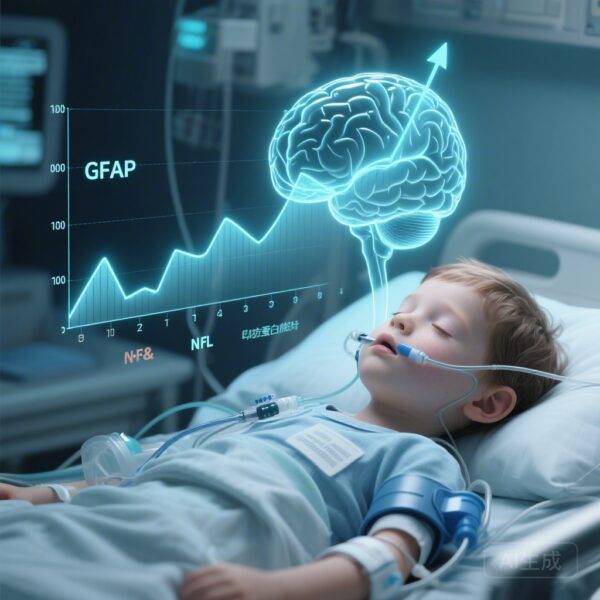
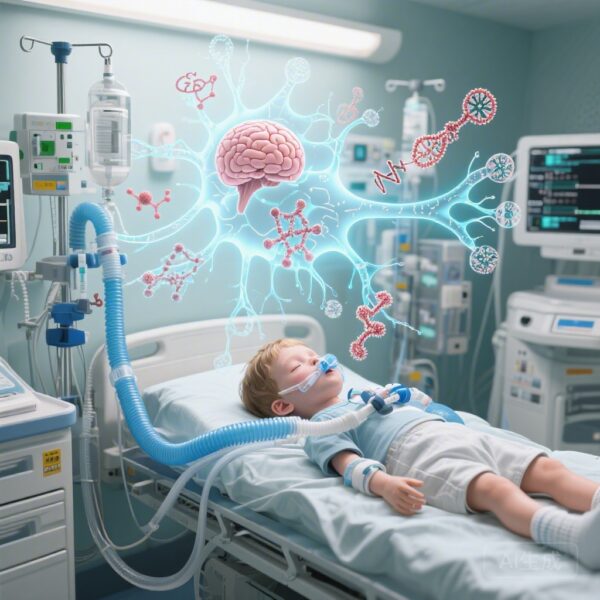
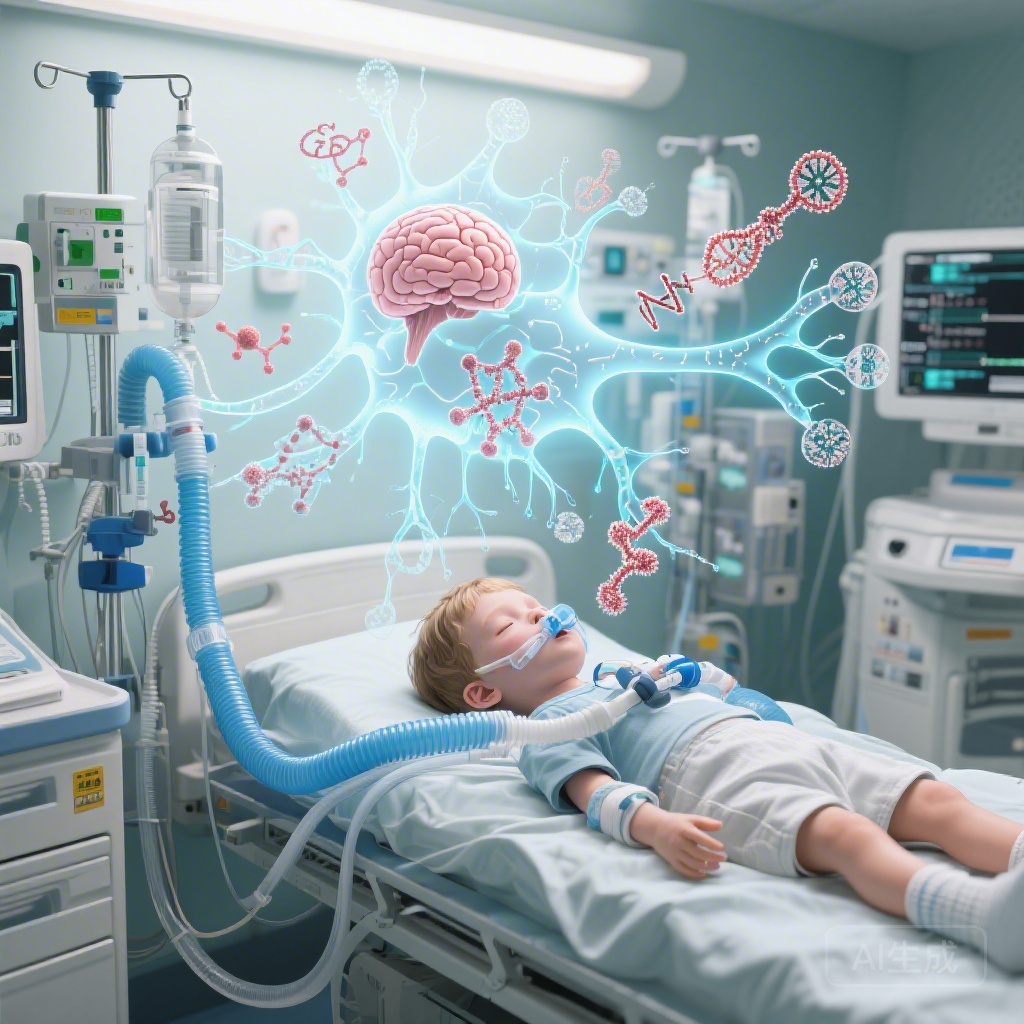
Extracorporeal membrane oxygenation (ECMO) has revolutionized the management of refractory cardiac and respiratory failure in the pediatric population. While it serves as a critical life-saving bridge to recovery or transplantation, the procedure carries a substantial risk of neurological complications. Acute brain injury (ABI), including ischemic stroke, intracranial hemorrhage, and hypoxic-ischemic encephalopathy, remains a primary driver of morbidity and mortality in these critically ill children. Identifying these injuries in real-time is notoriously difficult, as the clinical neurological exam is often limited by sedation and neuromuscular blockade, and transporting unstable patients for neuroimaging is fraught with risk. Recent evidence published in JAMA Pediatrics suggests that plasma-based biomarkers may offer a non-invasive, high-fidelity solution to this monitoring gap.
Clinical Context and the Need for Better Monitoring
The incidence of ABI in pediatric ECMO patients is estimated to range from 15% to 50%, depending on the diagnostic criteria used. Beyond the immediate threat to life, survivors often face long-term neurodevelopmental challenges, including cognitive deficits and motor impairments. Traditionally, clinicians have relied on intermittent neuroimaging—cranial ultrasound or computed tomography—which often only detects injury after irreversible damage has occurred. There is an urgent unmet medical need for dynamic, bedside monitoring tools that can alert clinicians to evolving brain injury during the ECMO course. Plasma biomarkers such as glial fibrillary acidic protein (GFAP), neurofilament light chain (NfL), and tau protein have emerged as potential candidates due to their specificity to central nervous system damage.
Study Methodology: A Multi-Center Prospective Approach
The study, conducted by the Pediatric Acute Lung Injury and Sepsis Investigators (PALISI) Network, was a prospective observational cohort study spanning 11 leading US children’s hospitals from 2019 to 2023. The researchers enrolled 219 children, ranging in age from 2 days to just under 18 years, who required ECMO support. A total of 224 ECMO courses were analyzed, involving the collection of 1,089 serial blood samples.
Objectives and Measurements
The primary objective was to determine if elevations in plasma GFAP, NfL, and tau levels preceded new ABI confirmed by neuroimaging. Additionally, the study sought to correlate these biomarker levels with both short-term outcomes (in-hospital mortality or functional decline at discharge) and long-term outcomes (mortality or significant neurodevelopmental impairment 18 months post-ECMO). Functional outcomes were assessed using the Pediatric Cerebral Performance Category (PCPC) score and the Vineland Adaptive Behavior Scales (VABS-3).
Key Findings: Biomarkers as Early Warning Systems
The results provide compelling evidence for the clinical utility of GFAP and NfL in the pediatric ECMO population. Among the participants, 60 ECMO courses were complicated by a new, imaging-confirmed ABI.
Temporal Trends and Pre-Diagnostic Elevation
One of the most significant findings was the temporal relationship between biomarker elevation and diagnosis. For every 24 hours preceding the neuroimaging diagnosis of a new ABI, plasma GFAP levels increased by 6.4% (95% CI, 1.4%-11.6%) and NfL levels increased by 16.1% (95% CI, 10.5%-22.0%). This suggests a window of opportunity where biochemical signals of injury are detectable in the blood before macroscopic changes are visible on a scan.
Association with Outcomes
The study found that geometric means for GFAP, NfL, and tau were significantly higher in patients with unfavorable outcomes compared to those with favorable outcomes. This association was consistent for both the initial sample taken at the start of ECMO and the peak levels recorded during the course. Adjusting for age, ECMO indication, and baseline levels, a two-fold increase in GFAP and NfL from the first sample was associated with a significantly higher risk of unfavorable outcomes. Specifically, the adjusted hazard ratio (aHR) for GFAP was 1.48 (95% CI, 1.22-1.79) and for NfL was 1.43 (95% CI, 1.14-1.79). Interestingly, while tau levels were higher in patients with poor outcomes, the association did not remain statistically significant in the fully adjusted models.
Expert Commentary and Clinical Implications
The findings from the PALISI Network study have profound implications for the management of pediatric patients on ECMO. By providing a ‘liquid biopsy’ of the brain, these biomarkers could fundamentally change how neuroprotection is approached in the PICU.
Mechanistic Insights into GFAP and NfL
The differing performance of these biomarkers likely reflects their underlying biological roles. GFAP is a protein found in astrocytes; its presence in the plasma indicates astrogliosis or astrocyte death and blood-brain barrier disruption. NfL is a structural protein of the axonal cytoskeleton; its elevation specifically signals axonal injury and degeneration. The strong performance of both markers suggests they capture distinct but complementary aspects of the neuro-injury cascade. The lack of independent predictive power for tau might be due to its rapid clearance or its lower specificity in the context of the systemic inflammatory response often seen in ECMO.
Implementation in the PICU
The ability of GFAP and NfL to rise before imaging diagnosis suggests they could be used to trigger ‘neuroprotective bundles.’ For example, a sudden spike in NfL might prompt a clinician to optimize mean arterial pressure, adjust anticoagulation strategies, or prioritize an urgent CT scan that might have otherwise been delayed. This shifts the clinical paradigm from reactive to proactive monitoring.
Study Limitations
While the study is robust, several considerations remain. The observational nature means that while associations are strong, we cannot yet conclude that biomarker-guided interventions will improve outcomes. Furthermore, the availability of rapid, point-of-care testing for these biomarkers is still limited in many clinical settings, though technological advancements are quickly closing this gap.
Conclusion: Moving Toward Precision Neuro-Critical Care
This study marks a significant step toward precision medicine in the pediatric intensive care unit. GFAP and NfL have proven to be reliable indicators of neurological health in children receiving ECMO, offering both early warning of injury and prognostic value for long-term recovery. As we move forward, integrating these biomarkers into routine clinical practice, alongside traditional monitoring like NIRS and EEG, may allow for a more nuanced and successful approach to neuroprotection in our most vulnerable patients.
References
Friedman ML, Bell MJ, Brooks BA, et al. Plasma Biomarkers of Brain Injury in Critically Ill Children Receiving Extracorporeal Membrane Oxygenation. JAMA Pediatr. Published online March 02, 2026. doi:10.1001/jamapediatrics.2026.0015. PMID: 41770542.