Highlights
The therapeutic landscape for dyslipidemia has been revolutionized by the development of proprotein convertase subtilisin/kexin type 9 (PCSK9) inhibitors. Key highlights of this clinical evolution include:
- PCSK9 inhibitors provide a 50% to 60% reduction in LDL-C on top of maximally tolerated statin therapy.
- Large-scale Cardiovascular Outcomes Trials (CVOTs) like FOURIER and ODYSSEY OUTCOMES have demonstrated significant reductions in major adverse cardiovascular events (MACE).
- Clinical safety has been established even at ultra-low LDL-C levels (less than 40 mg/dL), with no significant increase in neurocognitive or hepatic adverse events.
- The future of the class includes long-acting RNA interference (siRNA), oral small molecules, and permanent CRISPR-based gene editing.
Introduction: The Genetic Breakthrough
The journey of PCSK9 inhibitors is one of the most remarkable examples of translational medicine in the 21st century. It began in 2003 when researchers identified that gain-of-function mutations in the PCSK9 gene were associated with autosomal dominant hypercholesterolemia. Conversely, individuals with loss-of-function mutations were found to have lifelong, profoundly low levels of LDL cholesterol (LDL-C) and a strikingly lower risk of coronary heart disease. These genetic insights provided a clear target for drug development: inhibiting the PCSK9 protein to enhance the liver’s ability to clear LDL-C from the bloodstream.
The Biological Mechanism: PCSK9 and LDL Receptor Recycling
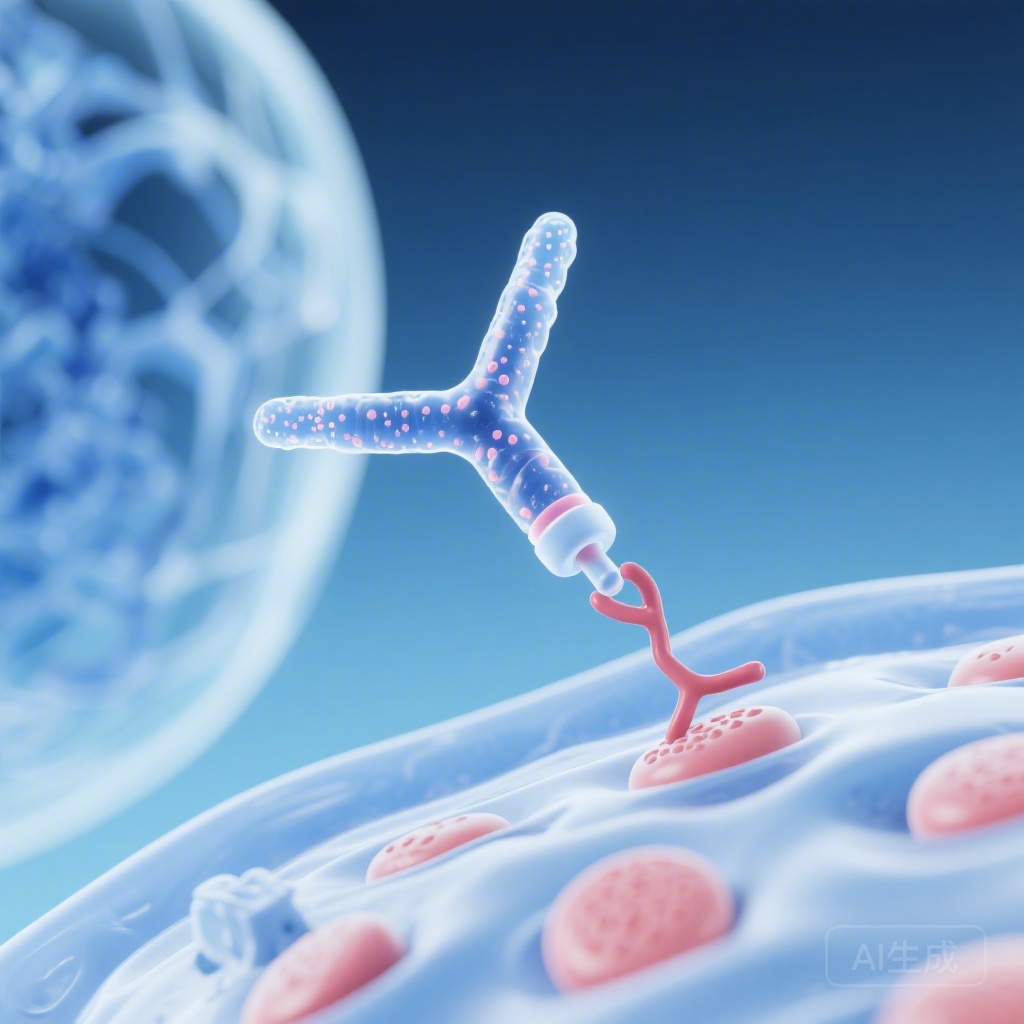
To understand the clinical utility of these drugs, one must understand the role of the LDL receptor (LDLR) on the surface of hepatocytes. Under normal physiological conditions, the LDLR binds to circulating LDL particles and internalizes them for degradation. The receptor then typically returns to the cell surface to repeat the process. However, when PCSK9 binds to the LDLR, it redirects the receptor toward lysosomal degradation rather than recycling. By inhibiting PCSK9, we increase the density of LDLRs on the hepatocyte surface, thereby maximizing the clearance of LDL-C.
Clinical Evidence: The Landmark Cardiovascular Outcomes Trials
The transition from a theoretical mechanism to clinical practice was solidified by robust outcome data. Two primary monoclonal antibodies, evolocumab and alirocumab, have been the focus of extensive investigation.
The FOURIER Trial
The FOURIER (Further Cardiovascular Outcomes Research with PCSK9 Inhibition in Subjects with Elevated Risk) trial evaluated evolocumab in 27,564 patients with established atherosclerotic cardiovascular disease (ASCVD). Patients were already receiving moderate-to-high intensity statins. The results showed that evolocumab reduced LDL-C by 59% (to a median of 30 mg/dL) and significantly reduced the risk of the primary composite endpoint (cardiovascular death, myocardial infarction, stroke, hospitalization for unstable angina, or coronary revascularization) by 15% over a median follow-up of 2.2 years.
The ODYSSEY OUTCOMES Trial
Similarly, the ODYSSEY OUTCOMES trial tested alirocumab in 18,924 patients who had recently experienced an acute coronary syndrome (ACS). The trial demonstrated a 15% reduction in MACE and, notably, suggested a reduction in all-cause mortality in patients with baseline LDL-C levels above 100 mg/dL. These findings underscored the necessity of early and aggressive lipid-lowering therapy in high-risk post-ACS populations.
Safety and the Question of Ultra-Low LDL-C Levels
One of the primary concerns for clinicians has been the safety of achieving extremely low LDL-C levels. Some historically speculated that ultra-low levels might impair steroid hormone synthesis or cognitive function. However, the EBBINGHAUS sub-study of the FOURIER trial specifically assessed neurocognitive function and found no significant difference between the evolocumab and placebo groups, even in patients reaching LDL-C levels below 20 mg/dL. Long-term safety data continue to support the “lower is better” hypothesis, provided the reduction is achieved through the upregulation of LDLRs.
The Present: Expanding Clinical Utility
Current clinical guidelines, including those from the American College of Cardiology (ACC) and the European Society of Cardiology (ESC), now recommend PCSK9 inhibitors for very high-risk patients who do not achieve LDL-C goals despite maximally tolerated statin and ezetimibe therapy. This includes patients with familial hypercholesterolemia and those with recurrent cardiovascular events. The clinical benefit has also been extended to patients with peripheral artery disease (PAD) and diabetes, who often carry a higher burden of polyvascular disease.
Future Frontiers: Beyond Monoclonal Antibodies
While monoclonal antibodies are highly effective, they require subcutaneous injections every two to four weeks. The future of PCSK9 inhibition aims for greater convenience and potentially permanent solutions.
RNA Interference (Inclisiran)
Inclisiran is a small interfering RNA (siRNA) that inhibits the hepatic production of the PCSK9 protein. Unlike monoclonal antibodies that bind to the protein in the blood, inclisiran works intracellularly. Its primary advantage is its dosing schedule: after two initial doses, it is administered just twice a year. This “vaccine-like” approach significantly improves long-term patient adherence.
Oral PCSK9 Inhibitors
Developing an oral PCSK9 inhibitor has been a challenge due to the large, flat surface area of the PCSK9-LDLR interface. However, recent Phase 2 and Phase 3 trials for MK-0616, a macrocyclic peptide, have shown promising results, achieving LDL-C reductions of up to 60%. An oral option could democratize access to this class of medication by removing the barrier of self-injection.
Gene Therapy and CRISPR
The most radical frontier is gene editing. Using CRISPR/Cas9 technology, researchers are developing therapies (such as VERVE-101) designed to permanently disable the PCSK9 gene in the liver with a single infusion. Early clinical data suggest this could provide a lifelong reduction in LDL-C, effectively “curing” patients of their genetic predisposition to high cholesterol.
Expert Commentary: Navigating Implementation
Despite the overwhelming evidence, the implementation of PCSK9 inhibitors in clinical practice has faced hurdles, primarily related to cost and insurance authorization. Experts suggest that as the patents for the first-generation antibodies expire and as new modalities like oral agents enter the market, the cost-benefit ratio will continue to improve. Clinicians are encouraged to identify patients with the highest absolute risk—such as those with multi-vessel disease or recent events—where the “Number Needed to Treat” (NNT) is lowest.
Conclusion
The development of PCSK9 inhibitors represents a triumph of modern cardiology. From the initial genetic discoveries in 2003 to the diverse therapeutic pipeline of 2026, this class of drugs has fundamentally changed how we approach cardiovascular prevention. As we move toward more convenient delivery systems and potentially curative gene therapies, the goal of eradicating ASCVD through lifelong lipid control becomes a tangible possibility.
References
1. Sabatine MS, Laufs U. Proprotein convertase subtilisin/kexin Type 9 inhibitors: past, present, and future. European heart journal. 2026-03-17. PMID: 41841775.
2. Sabatine MS, et al. Evolocumab and Clinical Outcomes in Patients with Cardiovascular Disease. New England Journal of Medicine. 2017;376(18):1713-1722.
3. Schwartz GG, et al. Alirocumab and Cardiovascular Outcomes after Acute Coronary Syndrome. New England Journal of Medicine. 2018;379(22):2097-2107.
4. Ray KK, et al. Two Phase 3 Trials of Inclisiran in Patients with Elevated LDL Cholesterol. New England Journal of Medicine. 2020;382(16):1507-1519.