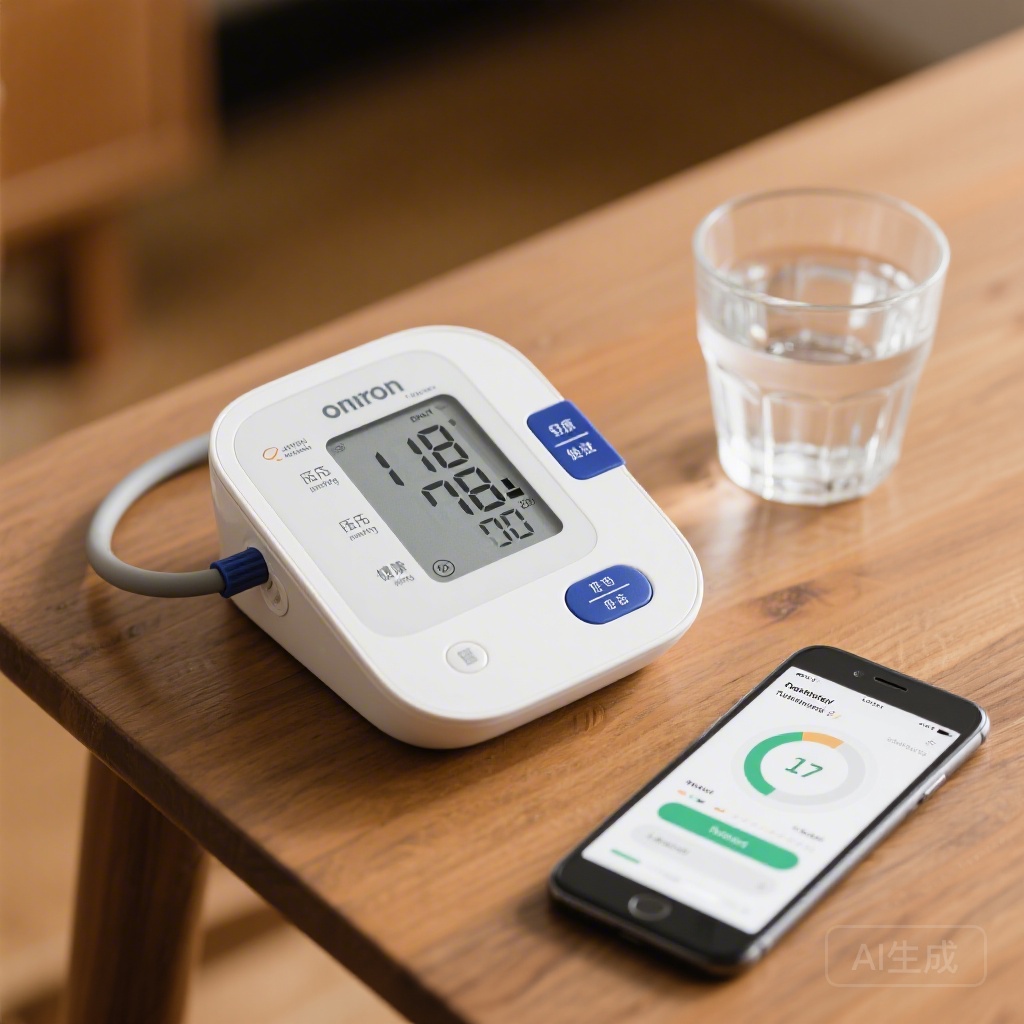
The Silent Threat of Hypertension
Hypertension, commonly known as high blood pressure, remains one of the most significant public health challenges globally. It is often referred to as a silent killer because it frequently presents no obvious symptoms while significantly increasing the risk of heart disease, stroke, and kidney failure. For decades, the primary method of monitoring blood pressure was during clinical visits. However, medical experts now recognize that office-based readings can be misleading. Factors such as white coat hypertension, where a patient’s blood pressure rises due to the stress of being in a clinical setting, or masked hypertension, where readings appear normal in the clinic but are high at home, have made home blood pressure monitoring (HBPM) a cornerstone of modern cardiovascular care.
The Importance of Home Blood Pressure Monitoring
The universal recommendation for HBPM stems from its ability to provide a more accurate representation of a patient’s true blood pressure in their natural environment. By taking multiple readings over several days, clinicians can obtain a more reliable average, which is better at predicting cardiovascular outcomes than a single snapshot taken in a doctor’s office. Furthermore, HBPM empowers patients, giving them a direct role in managing their health. Despite these benefits, the actual level of patient engagement with these devices in real-world settings has remained poorly understood until recently.
Inside the Mass General Brigham Study
A significant study recently published in JAMA Cardiology sought to bridge this knowledge gap. Researchers at Mass General Brigham in Boston conducted a retrospective cohort study to evaluate how patients actually engage with HBPM when enrolled in a dedicated remote hypertension management program. The study, which ran from September 2018 to June 2022, included 3,390 adults with uncontrolled hypertension. The program was designed to remove as many barriers to care as possible. Participants were provided with free automated HBPM devices, comprehensive education on how to use them, and ongoing personalized support from healthcare navigators. These navigators offered assistance via telephone and messaging, and medication adjustments were guided by evidence-based algorithms.
Defining Patient Engagement
The researchers categorized engagement based on the frequency of weekly blood pressure measurements. Engagement levels were defined as follows: no engagement (0 measurements), low engagement (1 to 11 measurements per week), intermediate engagement (12 to 23 measurements per week), and high engagement (24 to 28 measurements per week). To achieve high engagement, a patient would typically need to follow the common clinical recommendation of taking two readings in the morning and two in the evening for most days of the week.
Surprising Results: The Engagement Gap
The results of the study were unexpected given the high level of support provided. Out of the 3,390 participants, approximately 32.7 percent showed no engagement at all at the start of the program. Only 34.8 percent achieved high engagement. This means that despite having the tools and the personal support system in place, nearly one-third of the participants did not take a single measurement during the baseline period. The median age of the patients was 61 years, and many suffered from other conditions like diabetes or atherosclerotic cardiovascular disease, making blood pressure control even more critical for their long-term health.
The Burden of Monitoring
Why did engagement remain suboptimal? The study highlights a crucial disconnect between clinical recommendations and patient reality. While taking blood pressure at home sounds simple, the process can be burdensome. For a reading to be accurate, a patient must sit quietly for several minutes, ensure their arm is at the correct level, and avoid caffeine or exercise before the measurement. Doing this four times a day requires significant time, discipline, and mental bandwidth. For patients managing multiple chronic illnesses, the cumulative burden of self-care tasks can lead to burnout or non-compliance.
Addressing Social and Behavioral Barriers
The research suggests that providing free technology is only the first step. Patient engagement is influenced by a complex array of factors, including health literacy, psychological readiness, and daily routines. Some patients may experience anxiety when seeing high numbers, leading them to avoid monitoring altogether. Others may lack the digital literacy required to sync devices or communicate with navigators via messaging platforms. To improve outcomes, healthcare systems must look beyond the hardware and address the behavioral science of how patients integrate health tasks into their daily lives.
The Role of Healthcare Navigators and Medication Titration
One of the strengths of the Mass General Brigham program was the use of healthcare navigators. These individuals act as a bridge between the patient and the physician, handling the frequent communication required for medication titration. In many traditional settings, medication changes only happen every few months during office visits. In a remote program, titration can happen much faster based on home data. However, if the patient does not provide that data, the entire system stalls. This emphasizes that the success of remote patient monitoring (RPM) is entirely dependent on the quality and consistency of patient-generated data.
Future Innovations: Making Monitoring Seamless
To combat the lack of engagement, the medical community is looking toward less invasive technologies. The study concludes that innovative methods of blood pressure monitoring that are more convenient and less burdensome could be the key. This includes wearable devices that can track blood pressure passively throughout the day without the need for an inflatable cuff, or smart-home technologies that integrate monitoring into common household objects. By reducing the friction associated with taking a measurement, healthcare providers hope to see a significant rise in engagement and, subsequently, a reduction in cardiovascular events.
Conclusion
The Mass General Brigham study serves as a wake-up call for the digital health industry and clinical practitioners. Providing the tools for health management is necessary but not sufficient. As we move further into the era of remote care, the focus must shift toward creating patient-centered solutions that acknowledge the realities of living with chronic disease. Improving hypertension management will require a combination of better technology, personalized behavioral support, and a deeper understanding of the patient experience.