The MUTTON-HF trial evaluates whether culturally and medically tailored meals, incorporating traditional Diné (Navajo) foods, can improve clinical outcomes and quality of life for Indigenous heart failure patients facing nutrition insecurity.
A massive cohort study of 245,388 US adults reveals that 1 in 287 carries a familial hypercholesterolemia mutation. Despite high risks for premature heart disease, most carriers remain undertreated, with fewer than 20% of those with established disease reaching LDL-C targets.
A pivotal triple-crossover RCT reveals that while bisoprolol reduces exercise capacity and worsens diastolic markers in nonobstructive HCM, verapamil maintains exercise performance and improves myocardial strain.
This review synthesizes findings from the Australian MoST program, demonstrating that genomically matched therapies significantly improve overall survival in advanced solid tumors only when supported by high-level prospective clinical trial evidence.
A secondary analysis of the GAP70+ trial reveals that while 71.7% of older adults with advanced cancer prioritize quality of life, their clinical outcomes—including survival and toxicity—remain unchanged compared to those prioritizing survival, suggesting a systemic lack of responsiveness to patient goals.
This phase 1 study evaluates the safety of placenta-derived mesenchymal stem cells (PMSCs) seeded on an extracellular matrix for in-utero repair of myelomeningocele, demonstrating successful surgical outcomes and no cell-related adverse events in six patients.
This landmark network meta-analysis of 438 RCTs evaluates 24 antipsychotics, revealing clozapine as the most effective while highlighting the novel muscarinic agonist xanomeline-trospium. The study emphasizes clinically relevant efficacy differences and a shifting tolerability landscape, advocating for more individualized, evidence-based treatment strategies in acute schizophrenia management.
A landmark network meta-
**Developing Article Components**
I'm now diving deep into the content, focusing on fleshing out each section. The Highlight section's first drafts are complete. I'm incorporating the study's key findings on drug efficacy rankings, and the unique safety profile of Xanomeline-Trospium. I'm simultaneously drafting the study design, and drafting the background section, and I am ensuring a clear comparison of the two, while keeping the technical details accurate.
analysis of 438 RCTs reveals significant efficacy differences among antipsychotics and highlights the unique clinical profile of the first-in-class muscarinic agonist, xanomeline-trospium, relative to traditional antidopaminergic agents.
A large-scale individual patient data meta-analysis suggests that adding hormone therapy to postoperative radiotherapy does not improve overall survival for patients with low PSA levels, prompting a re-evaluation of current treatment standards for recurrent prostate cancer.
The ACHIEVE-3 phase 3 trial demonstrates that orforglipron, a novel non-peptide oral GLP-1 receptor agonist, provides superior glycemic control compared to oral semaglutide in adults with type 2 diabetes, despite a higher frequency of gastrointestinal adverse events.
A pilot randomized controlled trial and translational study demonstrate that Sopoongsan (SPS) effectively reduces chronic upper body pruritus in atopic and seborrheic dermatitis by inhibiting STAT1-mediated inflammatory pathways, offering a promising evidence-based herbal intervention for recalcitrant skin inflammation.
The RAAINBOW phase II/III trial demonstrates that Cinainu, a topical botanical solution, significantly improves hair regrowth and quality of life in paediatric patients with moderate-to-severe alopecia areata, offering a well-tolerated alternative to systemic JAK inhibitors with sustained benefits.
This review evaluates TPM203, a novel nanoparticle-based therapy for Pemphigus Vulgaris, detailing its safety profile, rapid pharmacokinetics, and ability to modulate regulatory T-cell and memory B-cell populations to induce immune tolerance.
This review synthesizes 2-year results from the BE HEARD phase 3 trials and their extension, demonstrating that dual IL-17A/F inhibition with bimekizumab provides deep, durable clinical responses and a favorable safety profile for patients with moderate-to-severe hidradenitis suppurativa.
The multicentre phase II PROMIT trial demonstrates that intermittent dacarbazine can sensitize BRAF wildtype metastatic melanoma patients with primary ICI resistance to subsequent ICI rechallenge, yielding an 18% objective response rate and a manageable safety profile.
A Phase IIb clinical trial demonstrates that pumecitinib 3% gel significantly improves skin clearance in adults with mild-to-moderate atopic dermatitis. Twice-daily application proved superior to once-daily dosing, maintaining a favorable safety profile with minimal systemic absorption, offering a promising new topical JAK inhibitor option.
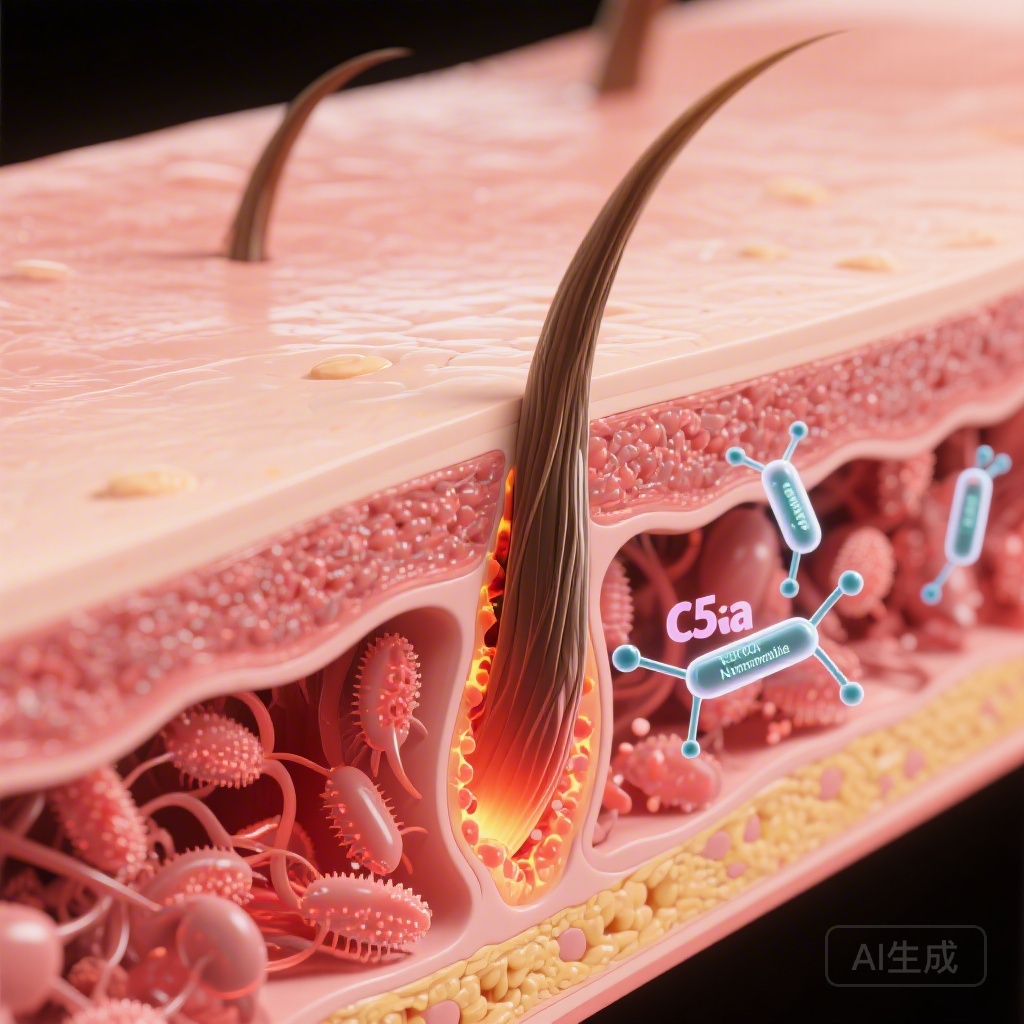
The SHINE trial, despite missing its primary endpoint due to a high placebo response, suggests that high-dose vilobelimab significantly reduces draining tunnels in moderate-to-severe hidradenitis suppurativa, offering a potential new therapeutic avenue for structural skin damage.
This review synthesizes the 52-week pooled results from two Phase 3 trials, detailing the pharmacokinetics, safety, and biomarker responses of secukinumab in moderate-to-severe hidradenitis suppurativa.
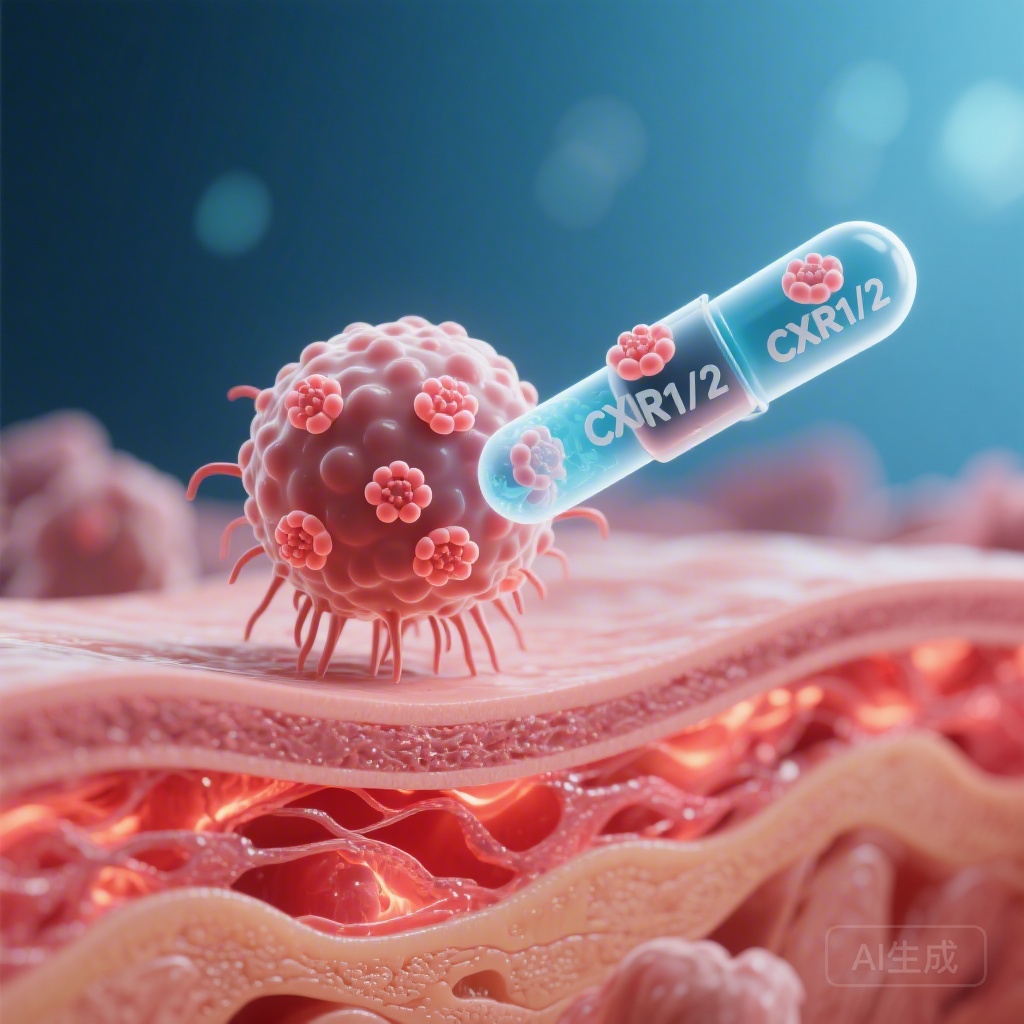
A Phase 2 trial of eltrekibart, a novel monoclonal antibody targeting CXCR1/2 ligands, suggests high clinical efficacy in hidradenitis suppurativa. While frequentist analysis was neutral, Bayesian augmented models showed a 99.9% probability of superiority, highlighting a promising new mechanism for neutrophil-driven dermatological inflammation.
This report examines a clinical trial using 30-minute daily saturated saline immersion to treat refractory plantar warts, achieving an 88.2% complete remission rate without pain or recurrence.