Highlights
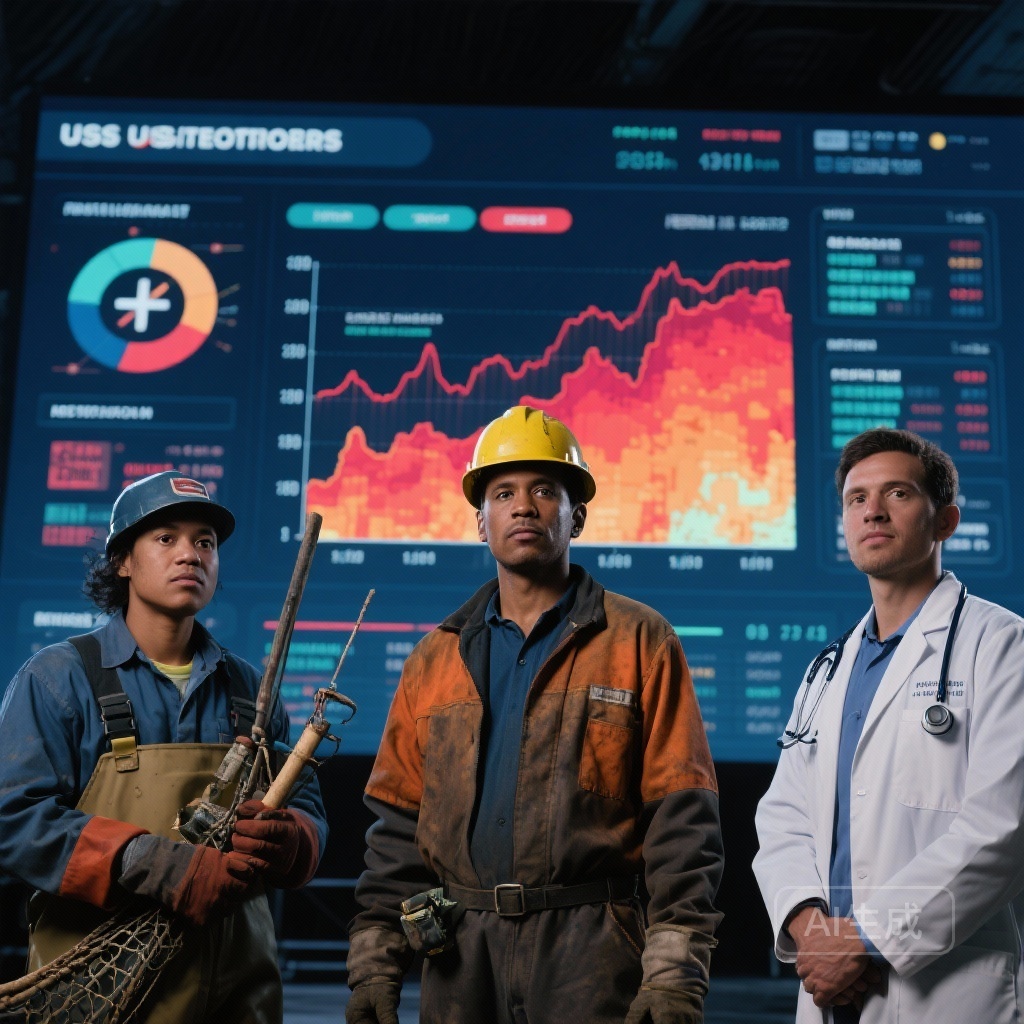
- Significant variations in cancer mortality rates exist across 459 detailed occupations among US adults aged 20-64.
- The highest mortality rates were observed in fishing, hunting, mining, and funeral service sectors.
- A small subset of occupations (18 for males) accounts for over a quarter of all male cancer deaths in the working-age population.
- The findings suggest that cancer risk is driven not only by direct carcinogen exposure but also by structural inequities and healthcare access barriers.
Background: The Rising Burden of Cancer in the Working-Age Population
While overall cancer mortality has declined in high-income countries over the last several decades, a concerning trend has emerged: mortality rates for several cancer types are plateauing or even rising among working-age adults. In the United States, individuals aged 20 to 64 represent a critical demographic for both the economy and social stability. However, this group faces unique challenges, including varying levels of occupational exposure to carcinogens, differing socioeconomic statuses, and disparate access to preventative healthcare.
Historically, occupational health research has focused on high-visibility risks, such as asbestos in construction or chemical exposure in manufacturing. Yet, the broader landscape of how specific job roles—ranging from white-collar professionals to service industry workers—influence cancer outcomes has remained under-explored at a granular level. Understanding these patterns is essential for developing targeted screening programs and workplace interventions that can mitigate the risk of premature death.
Study Design and Methodology
In a massive population-based study published in The Lancet Oncology, researchers led by Lesinski et al. analyzed US cancer mortality data from 2020 to 2023. The study utilized the Mortality Multiple Cause of Death data from the National Center for Health Statistics (NCHS) and the National Vital Statistics System (NVSS). The cohort included adults aged 20–64 years who died from malignant neoplasms (ICD-10 codes C00-C99).
To ensure high resolution, the researchers categorized deaths using 459 detailed US Census 2010 occupation codes and 23 major occupation groups. Population estimates were derived from the American Community Survey and Decennial Censuses to calculate age-adjusted mortality rates. The study tracked 22 main cancer sites and provided 95% confidence intervals (CI) for each occupational category, allowing for a robust comparison across sex and industry sectors.
Key Findings: A Granular Analysis of Mortality Rates
The study analyzed a total of 450,453 cancer deaths during the four-year period. The average annual age-adjusted cancer mortality rate per 100,000 working-age residents was 55.2 (95% CI 54.9-55.5) for males and 49.1 (95% CI 48.8-49.4) for females.
Occupations with the Highest Mortality
The data revealed striking peaks in specific industries. Across both sexes, the highest mortality rates were found among:
- Fishing and hunting workers: 167.4 per 100,000 for males and 143.9 for females.
- Mining machine operators: 126.6 per 100,000 for males and 127.0 for females.
- Funeral directors: 112.7 per 100,000 for males and 152.8 for females.
- Animal trainers: 117.3 per 100,000 for males and 110.5 for females.
- Dietitians and nutritionists: 111.4 per 100,000 for males and 105.6 for females.
Concentration of Mortality
One of the most significant findings was the concentration of cancer deaths within a few job categories. For males, just 18 out of 428 occupations accounted for 26.7% (66,521) of all cancer deaths. For females, the concentration was even more pronounced in certain areas, with two of 377 occupations accounting for 6.5% (13,113) of deaths. This concentration highlights specific workforce sectors where intervention could have a disproportionately large impact on public health.
Expert Commentary: Interpreting the Occupational Risk Spectrum
The variation in mortality rates suggests a complex etiology. While the high rates in mining and fishing may be partially explained by environmental hazards—such as UV radiation, diesel exhaust, or industrial chemicals—the elevated rates among funeral directors and dietitians suggest other factors are at play.
Funeral directors, for instance, have historically been exposed to formaldehyde, a known human carcinogen. However, the high mortality rates among dietitians and nutritionists—professions generally associated with health-conscious behaviors—point toward the importance of considering healthcare access, psychosocial stress, and the “healthy worker effect.” It is possible that some occupations attract individuals with pre-existing risks or that the working conditions themselves (e.g., irregular hours, secondary trauma, or sedentary behavior) contribute to late-stage diagnoses.
Furthermore, structural inequities cannot be ignored. Occupations with higher mortality rates often correlate with lower job security, reduced access to employer-sponsored health insurance, and limited flexibility for attending medical appointments. These factors can lead to delays in cancer screening and treatment, ultimately manifesting as higher mortality rates rather than just higher incidence.
Clinical and Policy Implications
The results of this study provide a roadmap for precision public health. Clinicians should consider a patient’s occupational history as a vital sign, recognizing that certain jobs carry hidden risks that necessitate more aggressive screening or earlier intervention.
From a policy perspective, the concentration of deaths in specific sectors suggests that OSHA (Occupational Safety and Health Administration) and the NIOSH (National Institute for Occupational Safety and Health) should expand their focus beyond acute injury prevention to include long-term chronic disease management. Workplace-based screening programs, particularly for lung, colorectal, and skin cancers, should be prioritized in high-risk sectors like mining and fishing.
Conclusion
This population-based study underscores that where an individual works is a powerful determinant of their cancer survival. The substantial variance in mortality rates across US occupations highlights the need for a multi-faceted approach that addresses chemical exposures, working conditions, and social determinants of health. By targeting the high-risk occupations identified in this research, the medical and policy communities can work toward closing the gap in cancer health equity among the US workforce.
References
Lesinski JD, Yi J, Ghias E, et al. Cancer mortality rates by detailed occupation among US working-age adults between 2020 and 2023: a population-based study. Lancet Oncol. 2025;26(1):S1470-2045(25)00593-5. doi:10.1016/S1470-2045(25)00593-5.