Introduction: The Dilemma of Intermediate-Risk Prostate Cancer
Imagine Robert, a 64-year-old retired civil engineer. During a routine physical, his doctor noted a rising Prostate-Specific Antigen (PSA) level. A subsequent MRI and biopsy revealed Grade Group 2 prostate cancer—what doctors call intermediate-risk. For decades, Robert would have faced a difficult choice: ‘active surveillance,’ which carries the psychological weight of monitoring a growing tumor, or ‘radical treatment’ (surgery or radiation), which often results in life-altering side effects like urinary incontinence or erectile dysfunction. Robert’s situation is common, but a new era of medical technology is offering a third path: focal therapy. The PRESERVE trial recently evaluated a technology called Irreversible Electroporation (IRE), using the NanoKnife System, to determine if it could effectively destroy cancer cells while leaving the rest of the prostate—and the patient’s quality of life—intact.
A Shift Toward Focal Therapy
In the past, prostate cancer treatment was often an ‘all or nothing’ endeavor. Because prostate tumors can be multifocal, surgeons typically removed the entire gland. However, for many patients with intermediate-risk disease, the primary threat comes from a single ‘index lesion.’ Focal therapy aims to treat only the cancerous area, much like a lumpectomy is used for breast cancer. This approach seeks to balance oncological control with the preservation of critical surrounding structures, such as the neurovascular bundles responsible for erections and the urethral sphincter responsible for urinary control.
What is Irreversible Electroporation (IRE)?
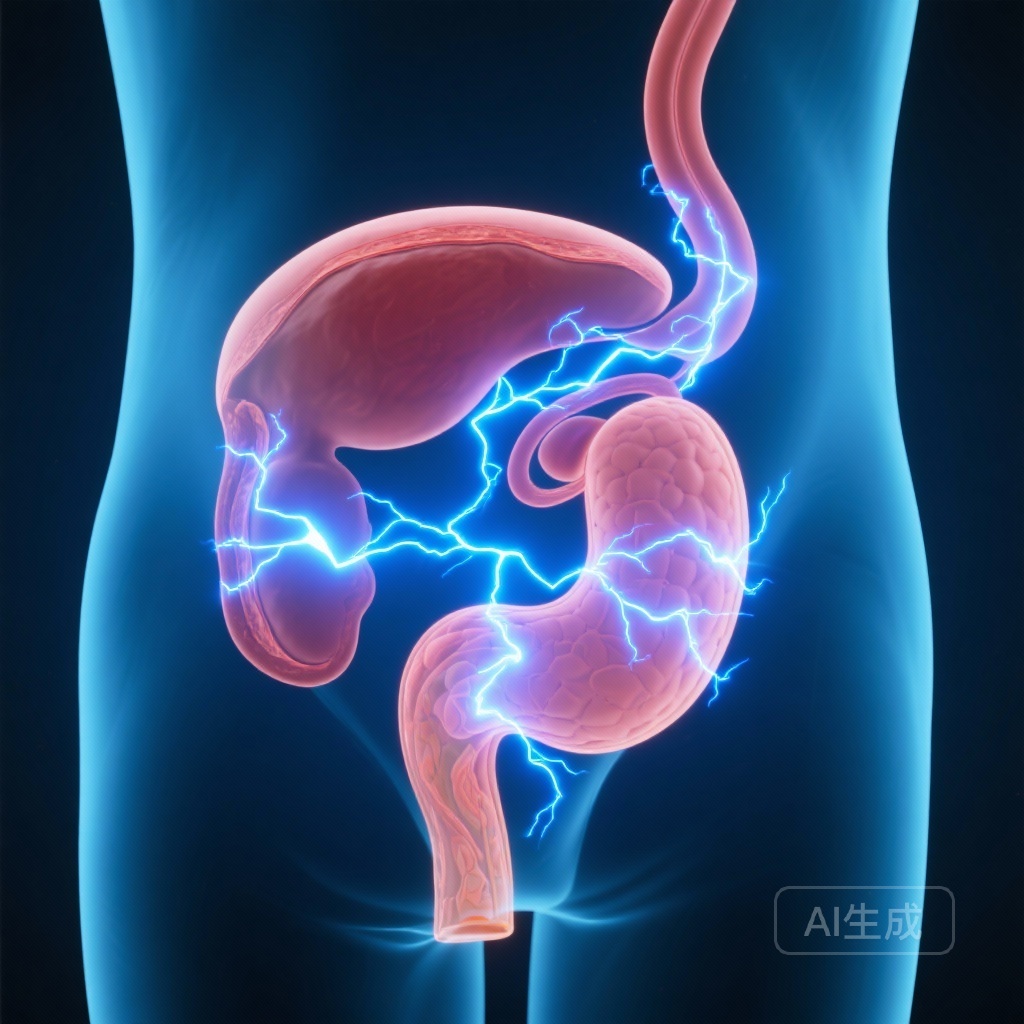
Unlike traditional ablation methods that use extreme heat (like lasers or high-intensity focused ultrasound) or extreme cold (cryotherapy), IRE is a non-thermal technology. It uses short, high-voltage electrical pulses to create permanent ‘nanopores’ in the cell membranes of the targeted tissue. This process, called apoptosis, causes the cancer cells to die naturally. Because IRE does not rely on thermal energy, it spares the ‘scaffolding’ of the tissue—the extracellular matrix, blood vessels, and nerves. This characteristic makes it particularly attractive for treating tumors located near the delicate boundaries of the prostate gland.
The PRESERVE Trial: A Closer Look at the Evidence
The PRESERVE trial (NCT04972097) was a prospective, multicenter study conducted in the United States to evaluate the NanoKnife System. The study enrolled 121 men with localized, intermediate-risk prostate cancer (Grade Group 2 or 3). The participants were required to have organ-confined disease and a PSA level of 15 ng/ml or less.
What the Data Tell Us: Success Rates and PSA Kinetics
The primary goal of the trial was to determine how many patients were clear of cancer in the treated area 12 months after the procedure. The results were highly encouraging. The researchers found that 71% of patients had a negative ‘in-field’ biopsy at the one-year mark. When applying the Delphi consensus criterion—a standard often used by experts to define success in focal therapy—the success rate rose to 84%.
Furthermore, the study tracked PSA kinetics, which are vital indicators of treatment success. The median PSA levels dropped significantly, reaching their lowest point (nadir) at about 3.5 months post-procedure. By six months, patients saw a median reduction in PSA of 68.2%, signaling that the bulk of the problematic tissue had been successfully neutralized.
The Quality of Life Imperative: Preserving Function
For many men, the primary concern regarding prostate treatment is functional recovery. The PRESERVE trial utilized standardized tools like the International Prostate Symptom Score (IPSS) and the Expanded Prostate Cancer Index Composite (EPIC) to measure urinary and sexual health.
In terms of urinary function, the changes from baseline were minimal. Most patients returned to their pre-treatment levels of urinary control quickly. Even more impressive were the results regarding sexual health: 84% of patients who had good baseline function maintained the ability to have erections sufficient for penetration at 12 months. This is a stark contrast to radical prostatectomy, where erectile dysfunction rates can be significantly higher depending on the surgical technique and patient age.
Table: Key Outcomes of the PRESERVE Trial at 12 Months
| Outcome Metric | Result / Statistic |
|---|---|
| Negative In-Field Biopsy Rate (Primary) | 71% (95% CI: 62%–79%) |
| Negative In-Field Biopsy (Delphi Criteria) | 84% (95% CI: 76%–90%) |
| Median PSA Reduction at 6 Months | 68.2% |
| Maintenance of Erectile Function | 84% of potent patients |
| Procedure-Related Grade 3 Adverse Events | Only 3 patients |
Addressing Safety and Misconceptions
Is the procedure safe? The PRESERVE trial noted that while some adverse events occurred, they were largely manageable. Fourteen patients experienced a Grade 3 adverse event (meaning it required medical intervention), but only three of those were directly related to the IRE procedure itself. Common side effects were typically transient and related to the insertion of the needles used to deliver the electrical pulses.
A common misconception is that focal therapy ‘burns bridges’ for future treatment. In reality, one of the benefits of IRE is that it does not preclude a patient from undergoing surgery or radiation later if the cancer returns or progresses. It acts as a middle-tier intervention that can delay or entirely avoid the need for more invasive measures.
Expert Insights and Clinical Implications
According to the study authors, including Dr. George and colleagues, these results position IRE as a robust option for the right candidate. The key to success lies in patient selection. IRE is most effective when the tumor is clearly visible on an MRI and confirmed by a targeted biopsy. As imaging technology improves, the ability of urologists to map the ‘geography’ of prostate cancer will only enhance the precision of the NanoKnife System.
For clinicians, the PRESERVE trial provides the high-quality, prospective data needed to discuss focal therapy as a legitimate alternative to total gland ablation. For patients, it offers hope that a cancer diagnosis doesn’t have to mean a loss of physical identity or function.
Conclusion
The PRESERVE trial marks a significant milestone in urological oncology. By demonstrating that Irreversible Electroporation is both safe and effective for intermediate-risk prostate cancer, it validates the shift toward personalized, organ-sparing treatments. As Robert’s case illustrates, the goal of modern medicine is not just to add years to life, but to ensure those years are lived with the highest possible quality.
Funding and ClinicalTrials.gov
The PRESERVE trial was funded and supported by AngioDynamics, Inc. Additional information can be found at ClinicalTrials.gov under the identifier NCT04972097.
References
George AK, Miocinovic R, Patel AR, Lomas DJ, Correa AF, Chen DYT, Rastinehad AR, Schwartz MJ, Sidana A, Stensland KD, Helfand BT, Gahan JC, Meng X, Yu A, Brisbane WG, Vourganti S, Barqawi AB, Uchio EM, Wysock JS, Polascik TJ, McClure TD, Fainberg J, Coleman JA. Irreversible Electroporation for Prostate Tissue Ablation in Patients with Intermediate-risk Prostate Cancer: Results from the PRESERVE Trial. Eur Urol. 2026 Jan;89(1):57-68. doi: 10.1016/j.eururo.2025.06.003. Epub 2025 Jul 19. PMID: 40685282.